
Your car might know more about you than your partner—What data are cars collecting?
Modern cars track far more than driving habits, quietly gathering personal data most drivers never realize they’re sharing.
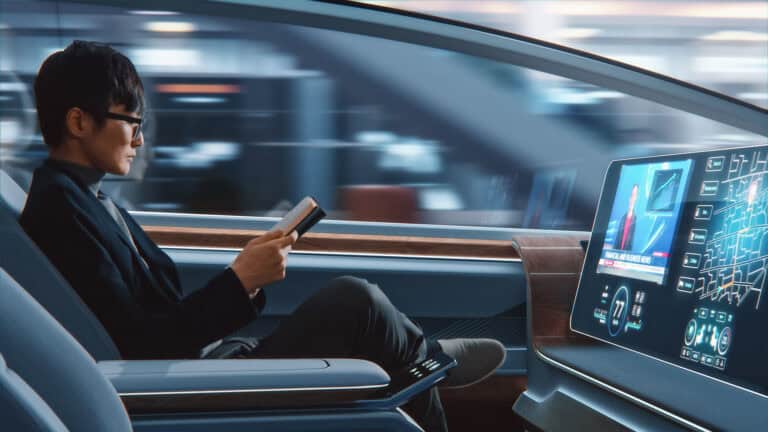
You likely see your car as a simple way to get from one place to another, built for convenience and reliability. But modern vehicles are far more than transportation. They are connected devices that continuously collect and transmit data every time you drive. From your routes and driving behavior to in-car preferences and even smartphone activity, today’s cars can quietly build a detailed profile of your habits, often without you ever realizing it.
What data are cars collecting?
Today’s modern cars are collecting far more information than most people realize. New vehicles effectively operate as smartphones on wheels. They can monitor your driving behavior, including acceleration, braking, steering, speed, and more. Some models also record which in-car settings and preferences you use, and even store locations you’ve saved, which can reveal your regular routes and destinations.
In addition, the data collected is not limited only to “vehicle performance”. Depending on the vehicle’s make and model, data collection may include external camera or sensor images, your personal identifiers such as name or contact info, and other profile information. It does not mean that all the data is transferred straight to the manufacturer, and not all of it is readable by humans. This also does not mean anyone at a car manufacturer can check your data. It is usually stored in bulk without a direct link to an individual, and depending on the brand and model, some personal information may be stored only in the vehicle.
According to research, cars are “the worst product category for privacy” because they collect more personal data than necessary and often do so without clear consent. Simply put, every time you start the engine, your car is watching and recording.
Which car companies are collecting data?
You might assume that only a few tech-forward brands track drivers, but in reality, nearly every major manufacturer does. The study analyzed 25 car brands and found that all of them collect personal data. Some of the biggest data collectors are:
- BMW, Mercedes-Benz, and Tesla: extensive tracking of locations and driver behavior
- Ford and General Motors: data shared with marketing and research partners
- Volkswagen and Toyota: collect vehicle diagnostics and location history
Even if your car doesn’t feel “smart,” connected features like navigation or voice assistants mean your vehicle is still gathering data.
Data is shared and sold
Collecting data is one thing, but your car does not stop here. The research shows that 84% of car brands share personal information with third parties, and 76% can even sell it. Some companies even share information with law enforcement upon informal requests, raising privacy concerns many drivers never considered.
Low security standards
Besides privacy, security is a major concern as well. The study found no car brand that clearly met minimum cybersecurity standards for data encryption. Many have experienced leaks or hacks in recent years, which could expose sensitive personal information to hackers. It means that your car is vulnerable, and hackers can still steal your data via your vehicle.
What your car knows

Your personal data is gold in the marketing world, and modern vehicles don’t just collect it; they analyze it. Driving behavior can be used to guess your stress levels or risk tolerance. Your music selections can hint at your mood or lifestyle. Even the places you visit, your gym, doctor, workplace, and favorite fast-food drive-through, create a behavioral map far more detailed than most drivers realize.
Your car knows when and where you drive, where you park, how long you stay, and the patterns of your daily routine. It knows where you shop. It knows if you hit the drive-through at 11 p.m. Every single data point has value, and in the right hands, that information becomes extremely powerful and far more revealing than most people ever intended to share.
It’s important to note that data collection does not mean that someone at the manufacturer can access or will access your personal data directly. Brands use aggregated data, build user profiles, and analyze user behavior based on huge samples. This can help them better understand how drivers use the vehicle. These data points give them a clearer picture of who the drivers are and what their preferences are. Later, these learnings can help develop vehicles fine-tuned for a specific target group, with features that drivers actually use.
Connected technology
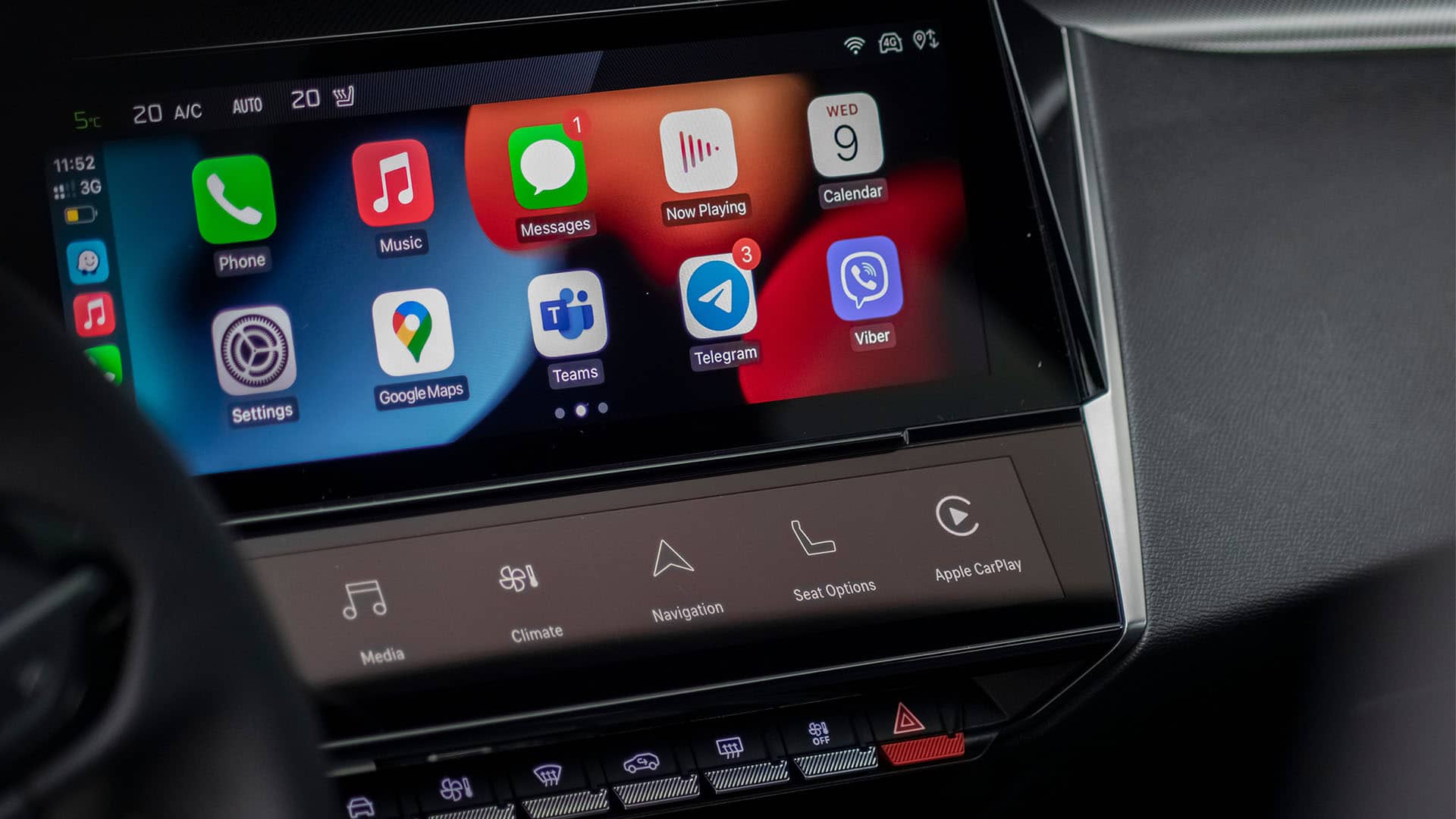
Modern cars often function as “smartphones on wheels” with AI-powered autopilots and voice assistants. While convenient, these features amplify privacy risks. Every interaction, from voice commands to app logins, creates more data for the car to collect. A connected car is essentially a rolling smart device, quietly documenting your life in ways you may not expect. And if you think it is only spying on the driver, you are wrong. For example, Subaru’s privacy policy states that even passengers in a car using connected services have “consented” to the use of their personal information simply by being in the car.
How to be in control
Total privacy is almost impossible today, but drivers can take back some control. Start by reviewing your vehicle’s privacy settings. Many models allow you to limit certain tracking features or opt out of marketing data collection entirely.
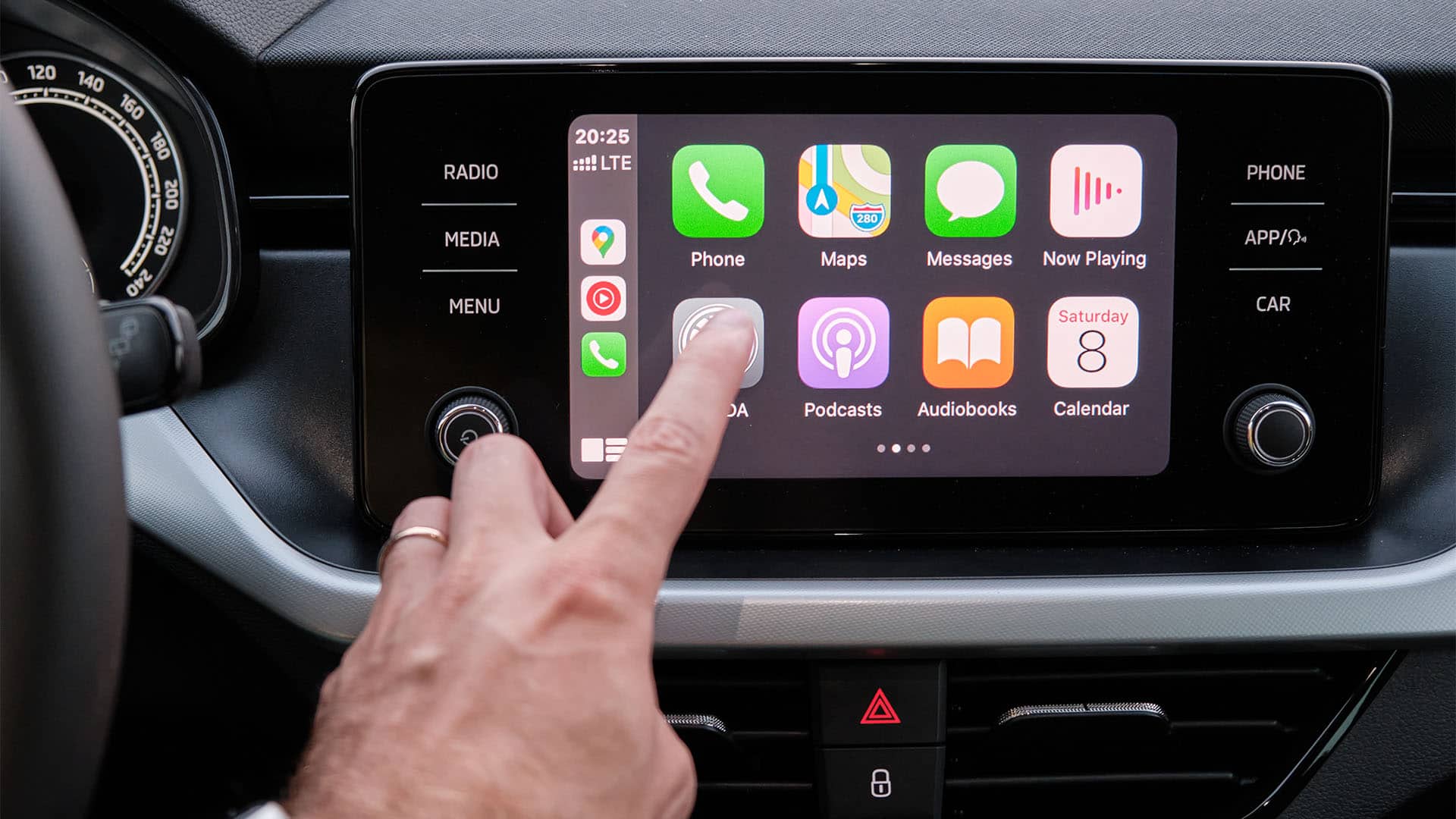
You can also reduce exposure by limiting connectivity, such as avoiding automatic syncing between your smartphone and the car’s apps or infotainment system. Be mindful of location tracking as well; disabling GPS when it’s not needed or using temporary navigation devices can prevent constant monitoring of your movements.
And, perhaps most importantly, read your car’s privacy policy so you understand exactly what is being collected and shared. These simple steps won’t eliminate data gathering, but they can meaningfully reduce it. Awareness and thoughtful use of connected features are your best tools in a world where total privacy no longer exists.
Takeaway
As long as consumers continue to embrace connected technology without question, the industry has little incentive to improve transparency or control. The research underscores this imbalance. Cars are among the worst product categories for privacy, and regulation has yet to catch up.
Your car knows more about you than you might realize, from the most minor details of your daily commute to intimate insights about your preferences and routines. While the convenience of connected vehicles is undeniable, it comes at the cost of privacy. Being aware of what data your car collects, who sees it, and how it’s used is crucial for any modern driver. The open road may feel free, but in reality, your car is always watching and listening.