
Worried about plane crashes? Texting while driving kills far more people
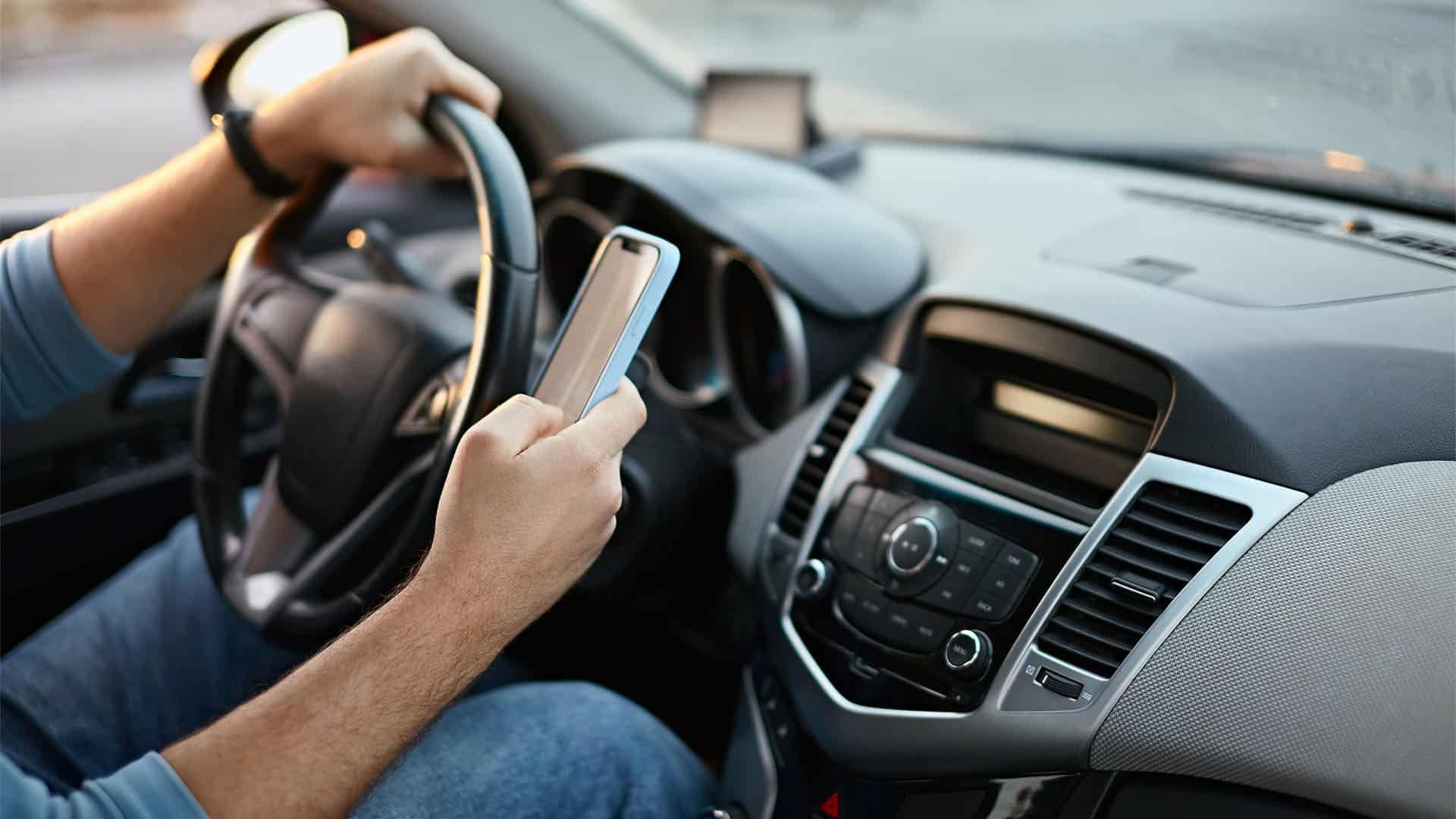
Even with major safety upgrades, distracted driving has emerged as one of the most dangerous threats on today’s roads.
Road safety remains a major concern worldwide, prompting governments to invest heavily in strategies to reduce traffic-related fatalities. Almost every country is focused on the same goal: safer roads through improved infrastructure, including better lighting, advanced safety barriers, and smarter traffic management. These measures have led to progress in many regions, with fatality rates declining gradually but consistently.
For example, Sweden introduced its well-known “Vision Zero” initiative in 1997, aiming for zero road fatalities. This concept has since influenced traffic safety policies in countries worldwide. In 2022, the U.S. Department of Transportation rolled out its National Roadway Safety Strategy, a “Safe System” plan that commits the nation to the long‑term goal of achieving zero traffic fatalities through safer road design and improved vehicle technology.
However, new challenges continue to emerge; distracted driving is one of the most significant, a relatively recent threat closely tied to our increasing reliance on smartphones and other digital devices.

What is distracted driving?
Distracted driving is any activity that takes the driver’s attention away from driving. Common activities include handheld phone, eating, or even daydreaming. The Centers for Disease Control and Prevention (CDC) categorizes distraction into three types:
- Visual: taking eyes off the road
- Manual: taking hands off the wheel
- Cognitive: taking the mind off driving
Texting while driving is considered one of the most dangerous forms of distraction because it combines visual, manual, and cognitive interference. Reading or sending a message typically takes a driver’s eyes off the road for about five seconds. Long enough to travel the length of a football field at 55 mph without observing the roadway.
The behavior has become increasingly common, with many drivers seen looking down at their phones instead of through the windshield. Observations on busy roads often show a significant share of motorists focused on screens rather than their surroundings.
Vehicles drifting within a lane or abruptly correcting course are frequent indicators of distracted driving. In many cases, the driver looked away from the road for a moment and reacted only at the last moment. Such incidents may appear minor, but they carry substantial risk and can lead to severe or fatal crashes within seconds.
Consequences of distracted driving
Many people feel nervous about flying, but in reality, ten times more people die in a crash caused by distracted driving than in a plane crash. In 2024 alone, 3,208 people were killed in distracted driving accidents in the U.S., compared to just 321 fatalities from all civilian aircraft incidents. And the worst part, 639 non-occupants, such as pedestrians and cyclists, were killed in distraction-affected traffic crashes in 2023.
Why is it happening

It’s easy to point the finger at smartphones, but distraction behind the wheel goes far beyond texting. Just a decade ago, people were sending far fewer messages and spent less time connected. Today, our phones are constantly sending us messages and updates, all while we’re supposed to be focused on driving.
But the problem isn’t just our phones. It’s also built into our vehicles. As smart technology has rapidly advanced, so has the complexity of modern car interiors. Many newer vehicles now feature large, high-resolution touchscreens that control various functions, including climate settings and entertainment. Buttons and dials that once had dedicated places have been replaced with layered digital menus that demand your attention.
In older cars, changing the temperature or switching radio stations required a quick tap or a twist of a familiar knob that could be done by feel. Today, making the same adjustment often requires navigating through a series of on-screen icons, menus, or even submenus.
Unlike physical controls, touchscreens offer no tactile feedback. That means drivers have to take their eyes off the road just to make sure they’re adjusting the right setting. While these screens are undoubtedly helpful for navigation and other advanced features, their role in increasing distraction is undeniable. In many ways, we’ve traded mechanical simplicity for visual complexity, and that comes at a cost.
What can you do
Distracted driving isn’t just a design problem; it is mainly a human one. Even if we can’t always change the systems around us, we can absolutely change how we interact with them. Every driver and passenger has a role to play in keeping the roads safe.
Let’s start with the basics: no one needs to be holding a phone while driving. Every modern smartphone has a speaker function, and virtually every new car sold in the U.S. today comes equipped with Bluetooth or Apple CarPlay/Android Auto. That means you can take or make calls without ever having to touch your phone. While making a phone call while driving is not illegal in most states, holding the device in your hand while doing so is banned.

For those worried about missing messages, nearly all smartphones and cars now offer read-aloud text features. This function has been available for many years, but people are just too lazy to use it. When a message arrives, the car can read it aloud and allow the driver to respond by voice. Newer systems are even more intelligent. Want to change the radio station or send a reply? Drivers can do it by simply speaking a command. No fumbling with screens and no reaching for the phone.
As a driver, the job is simple: focus on driving. Set the destination, playlist, and climate control before the car moves. If something urgent comes up, pull over. The world can wait a few minutes.
Passengers can help too. Speak up if the driver gets distracted, offer to handle navigation or texts, and avoid being the distraction yourself. Parents, especially, have an added responsibility. Kids are watching how parents behave behind the wheel. Model distraction-free driving, and they’ll carry those habits for life.
Ultimately, staying focused behind the wheel is a deliberate choice. It’s about resisting the urge to multitask and understanding that a few seconds of attention could mean the difference between safety and tragedy. The technology to help is already in the car and pocket, and drivers have to use it wisely.
What automakers do to make driving safer
While personal responsibility remains essential, automakers play a significant role in reducing the risks associated with distracted driving.
Over the past decade, touchscreens have replaced many physical buttons and knobs. While these digital systems offer flexibility, they often require drivers to take their eyes off the road for even the simplest tasks. To counter this, automakers must return to intuitive design principles: keeping tactile controls for core functions and ensuring menus are simple, logical, and require minimal interaction.

Voice control technology is another important tool, but only when it works seamlessly. Drivers are more likely to use these systems if they respond quickly and understand natural language. Continued investment in smarter, more responsive voice interfaces is key to reducing hands-on interaction.
Driver monitoring systems are also becoming more common. Using interior cameras and sensors, these systems can detect when a driver’s attention is elsewhere. These are still evolving, but they are a good step toward a safer human-machine relationship.
In the meantime, existing driver-assist technologies, such as adaptive cruise control, lane-keeping assistance, and highway driving support, are already making a significant impact. These features help reduce the workload on longer trips and can prevent common errors, such as drifting or following too closely. But they are not replacements for human awareness. Drivers must still stay engaged and alert, ready to take control at any moment.
Looking ahead, the promise of autonomous driving offers a transformative opportunity. If perfected, self-driving technology could one day eliminate human error, the single biggest cause of traffic accidents. Systems like Tesla’s Autopilot or GM’s Super Cruise are early glimpses of what’s possible, but full autonomy is still years away and must be approached with care and robust safety standards in place.
Until then, automakers must design vehicles that help drivers stay focused on the road.