
Seeing Waymo cars roaming Atlanta raised questions, but I still believe self-driving tech is the future
Although there is still room for improvement, self-driving cars might prove to be safer than human drivers.
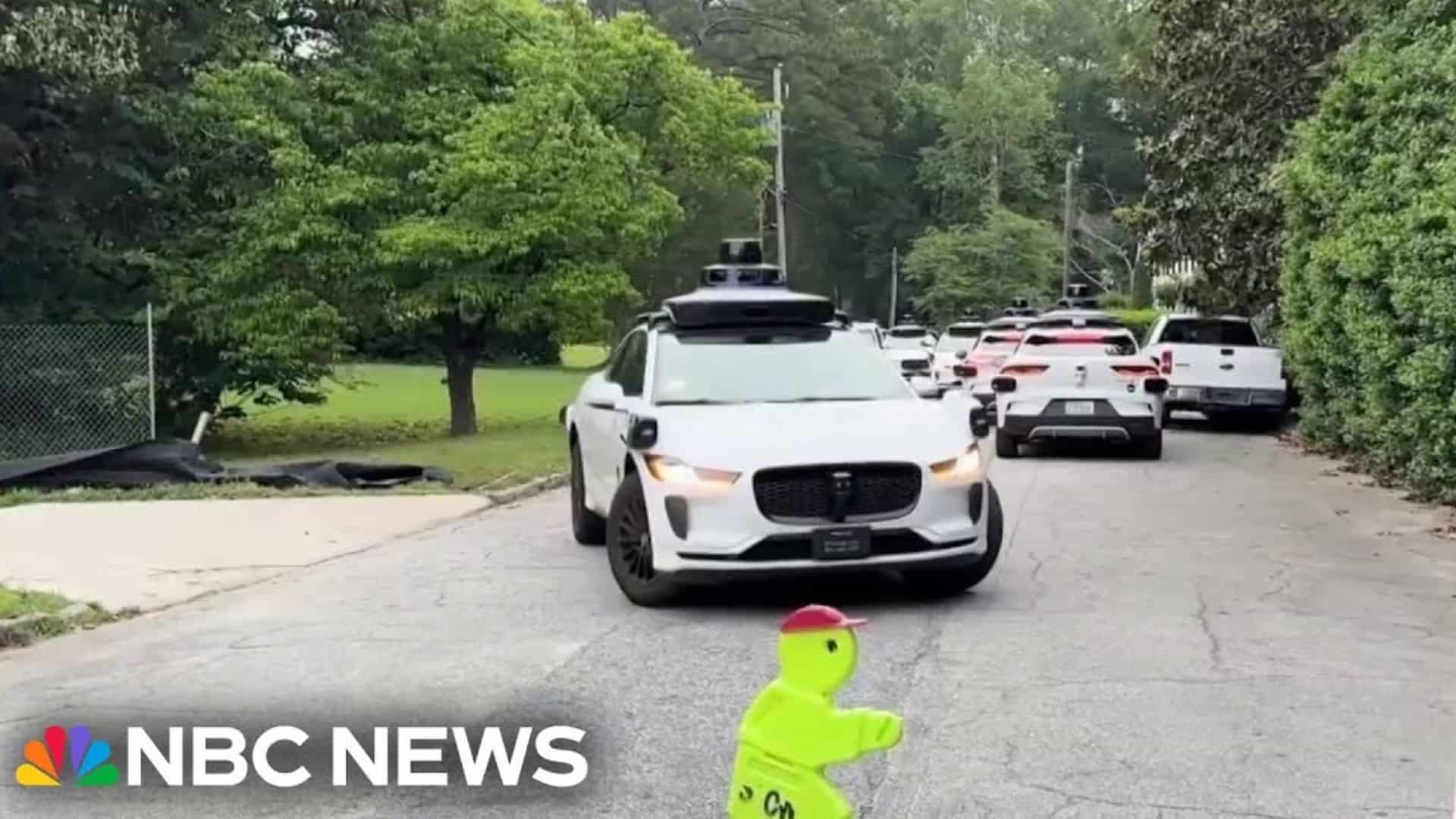
If you live in a peaceful neighborhood in Atlanta, you expect to see delivery trucks, mail carriers, and your neighbors driving home. You do not expect a non-stop parade of empty autonomous vehicles turning your street into a makeshift parking lot. This is what happened recently when dozens of Waymo driverless taxis began streaming into local cul-de-sacs.
In just one weekend, nearly 50 of these driverless taxis appeared, causing a bit of chaos. One resident even mentioned that the cars almost hit their neighbor’s cat named Buddy. Honestly, if that happened outside my house, I’d be frustrated too.
According to NBC News, the Waymo vehicles appeared to be waiting between ride assignments, creating constant traffic on residential streets. Neighbors even tried placing a traffic turtle in the road to slow them down, but that only made the situation worse. This all happened at a time when Waymo was already dealing with issues, having recalled nearly 4,000 of its robot taxis after some ended up stuck in flooded streets in Texas and California.
While some experts say self-driving technology needs significant improvements to meet America’s safety standards, I still believe these cars are the future. Not because the systems are perfect, they clearly aren’t, but because human drivers are far from perfect, too.
We’re comparing robot cars to an unrealistic standard
Every time a robot taxi makes a mistake, I notice how quickly people declare that the technology is a failure. Human drivers make mistakes too, which often result in crashes. People speed in school zones, text while driving, and even drive under the influence. Accidents happen so regularly that most don’t even make the news unless there is a fatality.
The U.S. Department of Transportation’s National Highway Traffic Safety Administration (NHTSA) estimated 36,640 traffic fatalities in 2025. Even though that number was 6.7% lower than the year before, it still means tens of thousands of people lost their lives in a single year in the United States. That’s why I think self-driving cars are being judged against a standard that human drivers themselves don’t meet.
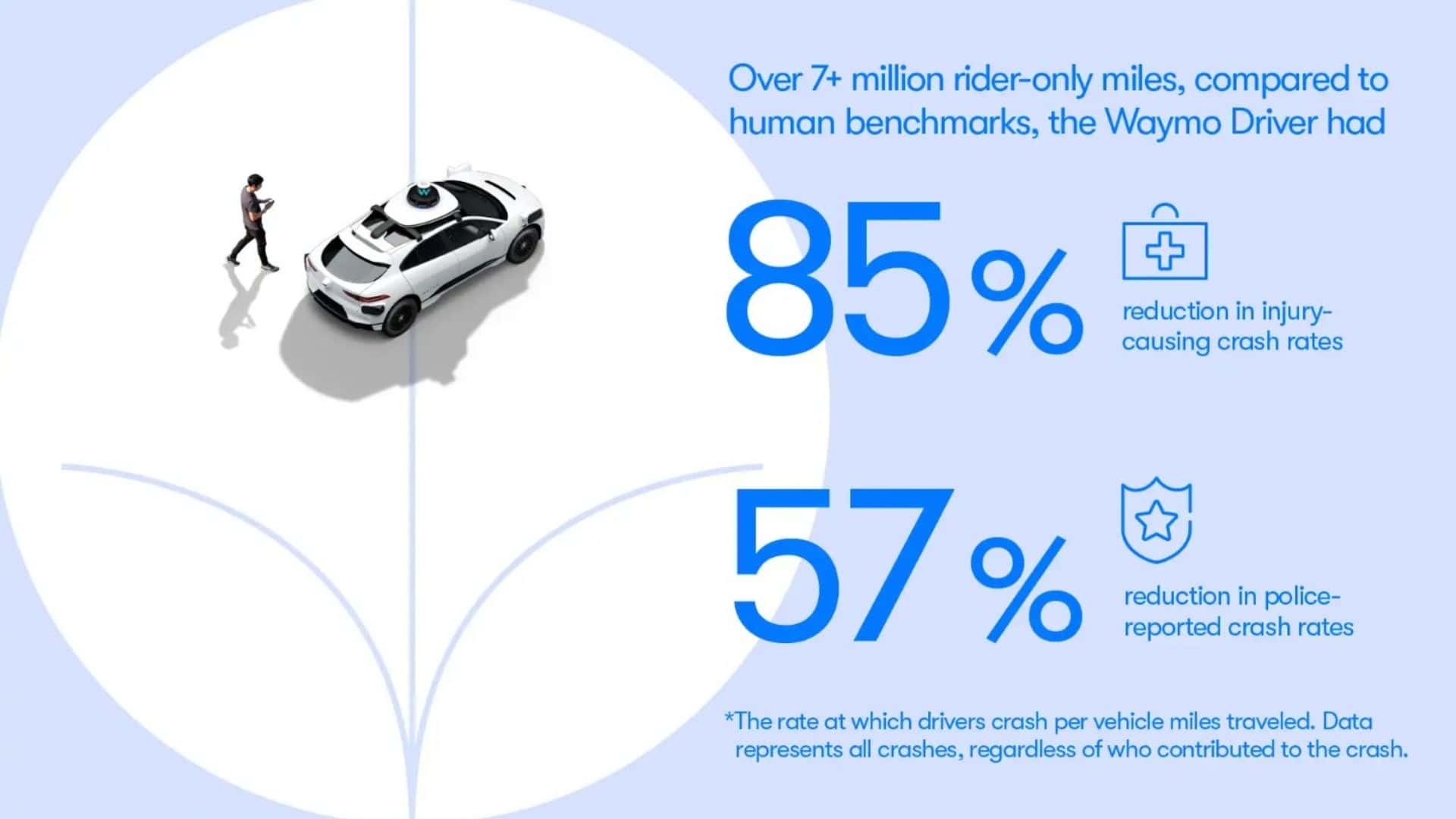
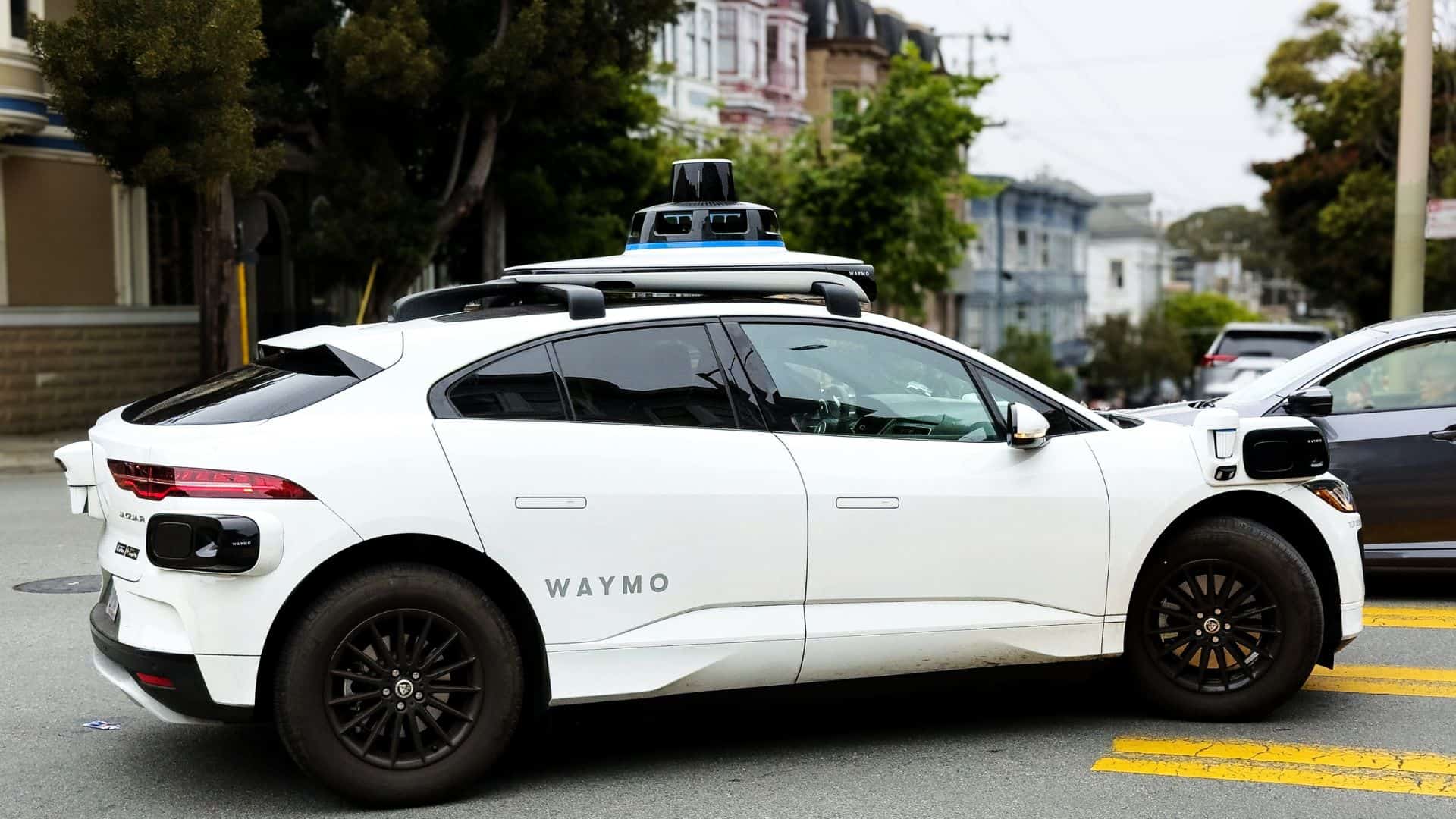
When you compare that baseline to autonomous performance, the difference is huge. A study by Waymo analyzed over 7 million miles of self-driving data and found that its robot cars reduced serious crash rates by 85% compared to human drivers in the same areas. They also noted a 57% reduction in accidents reported to the police. In fact, Waymo claims its system is 13 times safer than human drivers at avoiding pedestrian accidents. Unlike humans, the technology doesn’t text or fall asleep while driving, and it has a 360-degree view that uses radar to detect objects even at a far distance.
So, while we might jump to criticize self-driving cars for their mistakes, we should also remember the risk of human factor.
Self-driving cars will eventually become the new normal
Self-driving cars still feel strange to many because most of us grew up believing driving required a human behind the wheel, and an empty driver’s seat can be surprising. But I honestly think we’re looking at the early stage of something that will eventually become completely ordinary.
Throughout history, people have often been hesitant about new technology. Many once worried about elevators without operators, banking online, or using GPS navigation. Now, these technologies are part of our everyday lives, and we don’t think twice about using them. Self-driving cars are currently going through a similar phase, where we notice every issue, because the technology is still new to us and we’re not used to sitting in the passenger seat without a driver.
At the same time, the systems are improving much faster than most people realize. Unlike humans, self-driving cars can learn from a huge amount of shared information. For example, if one car has difficulty navigating a tricky intersection, engineers can quickly update the software across the entire fleet. This means improvements occur across thousands of vehicles at once, rather than informing every driver to become more cautious.
I also think convenience alone will push autonomous driving into the mainstream. Many people already find driving in heavy traffic, looking for parking, or enduring long commutes frustrating. For older adults, people with disabilities, or anyone who can’t drive safely, self-driving cars could make a significant difference in their daily lives. In the future, delivery services, ride-sharing, and public transport will likely rely heavily on this technology as well.
Of course, we can’t expect the transition to be without its challenges. Companies need to ensure better safety measures, handle different weather conditions more effectively, and cooperate with cities and residents.
The technology still has problems to solve, but so does human driving, and we’ve been living with those consequences for decades.