
How to safely vet buyers and handle paperwork when selling your car without a dealer

The private-sale mistakes that can cost sellers money, create legal headaches, or put them in unsafe situations.
Selling a car privately can put more money in your pocket than trading it into a dealership, but it also means handling the whole sales process that dealers normally manage for you. This includes screening strangers, avoiding scams, managing payments, and ensuring paperwork is completed correctly. A smooth private sale is possible; you just need to know how to control the process from the beginning. The people who run into problems are often the ones who move too quickly, trust too easily, or fail to protect themselves during the transaction.
Vet the buyer before the meeting
Most problems in private car sales start long before money changes hands. They begin with rushed communication, vague buyer behavior, or sellers ignoring obvious red flags because they are eager to get rid of the car. One of the smartest things a seller can do is keep communication organized and direct from the beginning.
Serious buyers ask normal questions about mileage, maintenance history, title status, accidents, and service records. Scammers often jump straight into payment discussions, refuse phone calls, push unusual payment methods, or claim they are “buying for someone else” without seeing the vehicle.
It also helps to control how much personal information you share early on. There is no reason to send a photo of your driver’s license, home address, or title before meeting someone. Many experienced private sellers now prefer meeting in public locations with cameras, including bank parking lots or designated safe-exchange zones offered by some police departments.
Test drives are another area where sellers get careless. Never hand over keys without first verifying a valid driver’s license and riding along during the drive. If a buyer resists basic precautions, that alone is usually enough reason to walk away. The same mindset applies to payment.
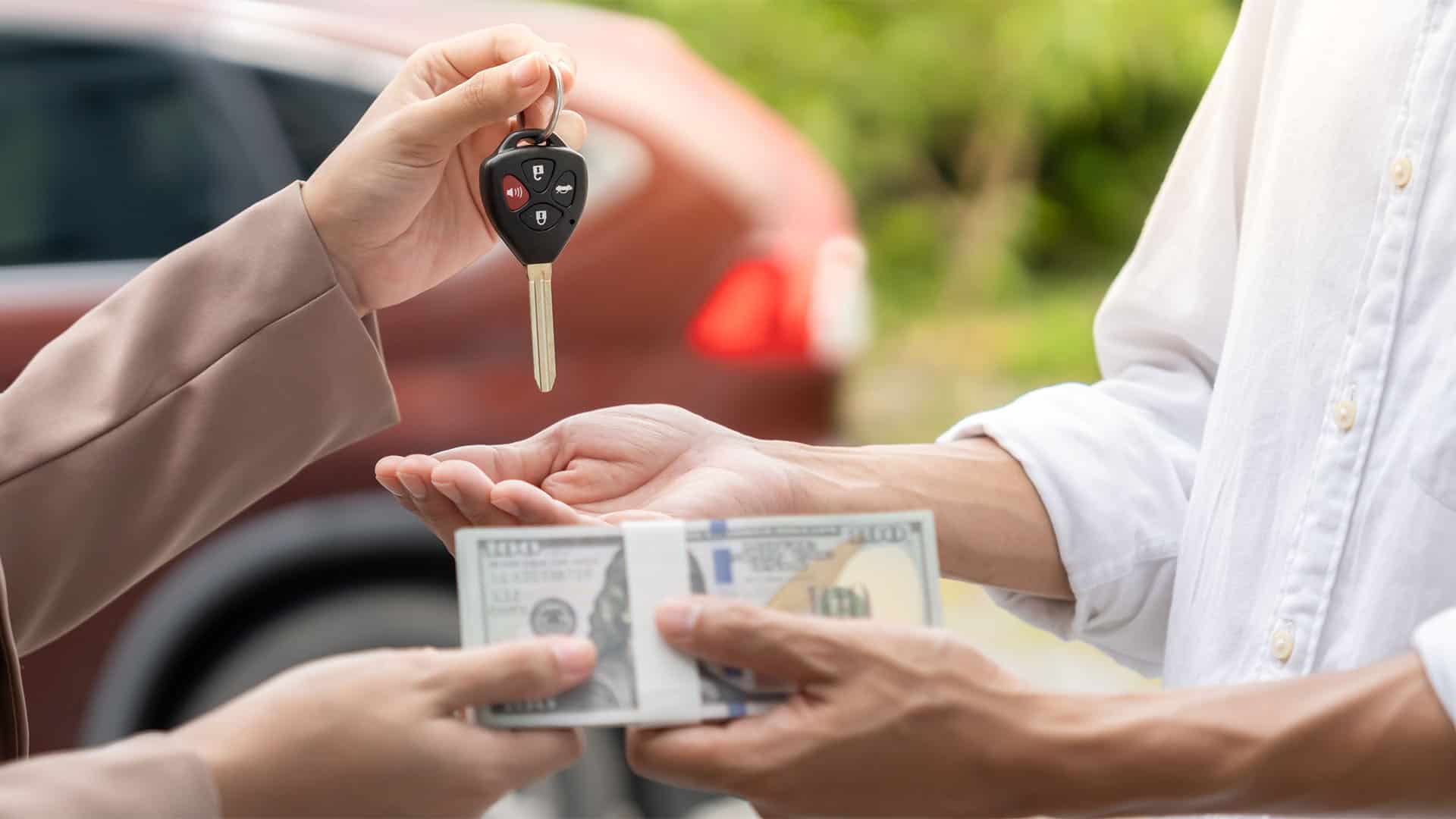
Cash can work for lower-priced vehicles, but for more expensive sales, completing the transaction at the buyer’s bank is often safer. Cashier’s checks can still be fraudulent, and fake payment confirmations are increasingly common. Watching the bank issue the check or verifying funds directly before signing anything removes a major layer of risk.

Get paperwork in order
Many people selling a car overlook the legal side of transferring ownership correctly, and that’s usually where bigger problems begin. The title is the most important document in the transaction, and even small errors can create delays or liability issues later. Sellers should ensure the title is in their name, free of errors, and signed exactly where their state requires. Crossing out information or signing in the wrong section can invalidate the document in some states.
A bill of sale is also worth creating, even if your state does not require one. It creates a written record of the transaction, including the date, mileage, vehicle identification number, sale amount, and agreement that the vehicle was sold “as is.” Once the car leaves your possession, you do not want disputes over mechanical issues turning into legal arguments weeks later.
Many sellers also forget filing a release of liability or notice of transfer form with their DMV. This officially records that the vehicle no longer belongs to you. Without it, parking tickets, toll violations, or even accidents tied to the car could still end up connected to your name temporarily.
The best private sellers think like professionals

The people who consistently sell cars smoothly are usually the ones who treat the process less emotionally and more professionally. They prepare maintenance records ahead of time and know the market value of the car. And as a pro-tip, that professionalism also helps buyers feel more comfortable. A seller who has service receipts organized, communicates clearly, and understands the paperwork naturally appears more trustworthy.
It is also important to accept that not every buyer deserves access to your time. Some people will waste hours negotiating before disappearing, while others will push boundaries to see how flexible you are. Setting firm conditions early like where you will meet, how payment will work, and whether test drives require identification filters out a lot of the worst experiences before they happen.
Private sales can absolutely be worth it financially, especially in a used-car market where well-maintained vehicles still hold strong value. But the safest transactions usually come from sellers who understand that the goal is more that just selling the car. It’s getting it done cleanly, legally, and without creating problems that follow you after the keys are gone.