
4×4 vs. AWD vs. four-wheel drive: What’s the difference?
They all power four wheels, but they deliver traction in very different ways depending on design and purpose.
Many drivers see terms like 4×4, AWD, and four-wheel drive on vehicle badges, but not everyone knows what they actually mean. Today, nearly every manufacturer has its own branded version, such as 4MATIC, Quattro, xDrive, or 4MOTION. Although these names sound similar and are often grouped together, the underlying systems can differ significantly in how they operate. Understanding those differences can help clarify what you are actually getting and whether you truly need it for everyday driving.
What Is 4×4

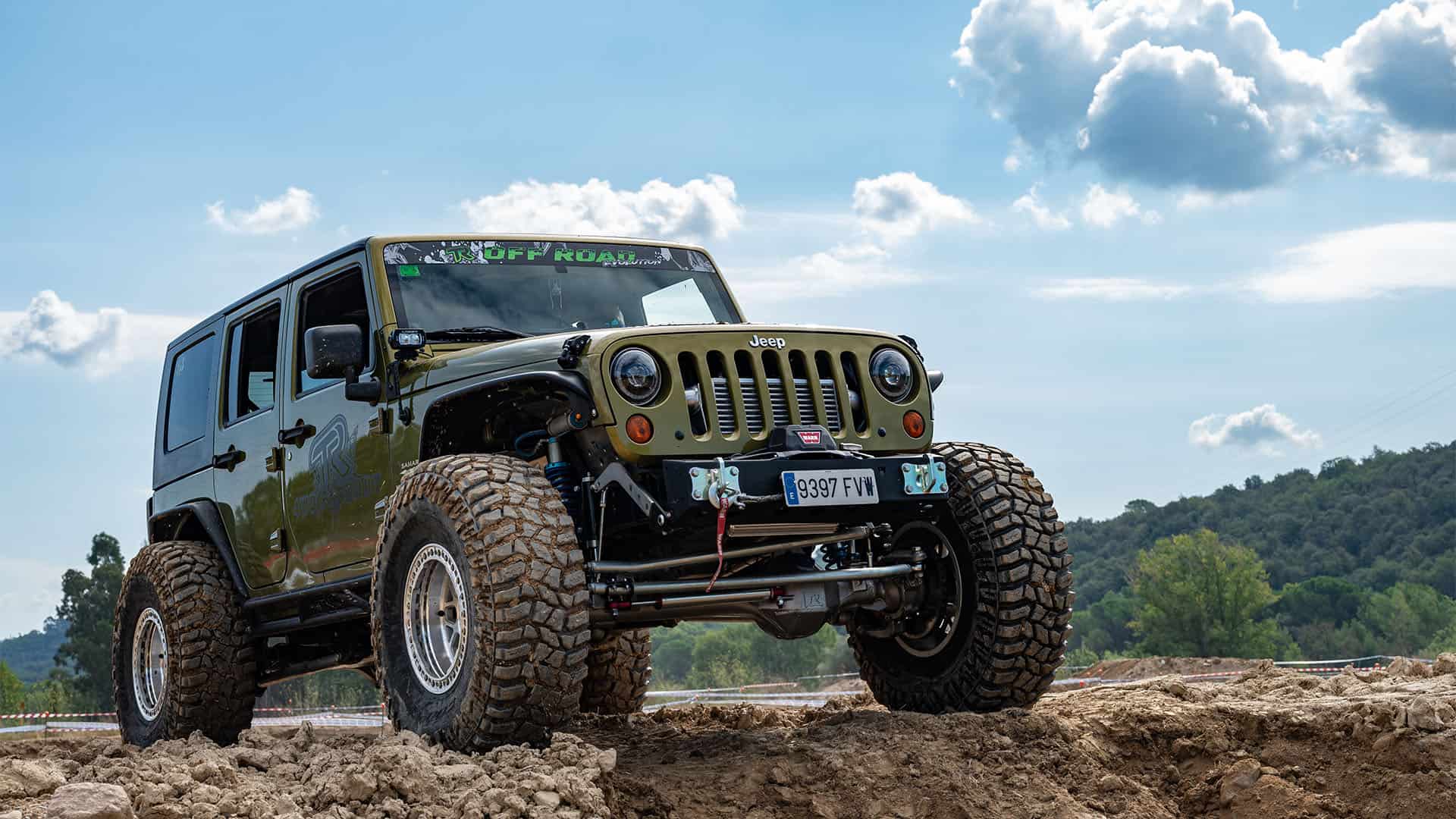
4×4, commonly referred to as four-wheel drive (4WD), is a drivetrain system primarily designed for durability and off-road capability. In most traditional setups, the system includes a transfer case that allows the driver to engage power to both the front and rear axles. Many 4×4 vehicles also feature low-range gearing, which multiplies torque for crawling over rocks, steep inclines, mud, or deep snow.
When engaged in its standard four-wheel-drive mode, a typical part-time 4×4 system mechanically links the front and rear axles so they rotate at the same speed. This fixed connection improves traction on loose or uneven surfaces. However, because the front and rear axles cannot rotate at different speeds, using 4×4 on dry pavement can cause drivetrain binding and increased wear.
4×4 systems are commonly found in pickup trucks and body-on-frame SUVs built for towing, hauling, and trail use. Examples include the Jeep Wrangler, Toyota 4Runner, Ford Bronco, and Chevrolet Silverado Z71.
The primary advantages of 4×4 are durability, mechanical simplicity, and strong performance in demanding terrain. The trade-offs can include higher weight, reduced fuel efficiency, and less suitability for everyday on-road driving compared to systems designed primarily for pavement.
What Is AWD

AWD, or All-Wheel Drive, is a drivetrain system that distributes power to all four wheels of a vehicle. Depending on the design, the system can operate full-time or automatically engage additional wheels when traction is reduced. Most modern AWD systems use electronic sensors to monitor wheel slip and road conditions, adjusting torque in real time to improve grip and stability.
AWD is commonly found in passenger cars, crossovers, and some SUVs. Many manufacturers offer their own versions, including Quattro, xDrive, 4MATIC, and Symmetrical All-Wheel Drive. While the branding differs, the core purpose is similar: improving traction on wet, snowy, or uneven roads without driver intervention.
The main advantages of AWD are enhanced stability and ease of use, especially in changing weather conditions. Because the system operates automatically, drivers do not need to manually engage it. However, AWD vehicles typically cost more, add mechanical complexity, and may reduce fuel efficiency compared to two-wheel-drive models.
What is four-wheel drive (4WD)
Four-wheel drive, or 4WD, is a system that sends power to all four wheels of a vehicle. In everyday language, 4WD and 4×4 usually mean the same thing. On most trucks and off-road SUVs, the two terms are used interchangeably. When you see a 4×4 badge, it almost always refers to a four-wheel-drive system.
In traditional setups, the driver can switch between two-wheel drive and four-wheel drive. When 4WD is engaged, the front and rear axles are mechanically connected so they turn together. Many systems also include a low-range gear for extra torque at slow speeds, which helps when climbing steep hills, driving through mud, or pulling heavy loads.

So is there a real difference between 4WD and 4×4? In most modern vehicles, not really. “4×4” simply describes that four wheels are being driven. “4WD” is the technical name of the system. However, 4WD can also include full-time systems that allow driving on regular roads because they use an additional center differential. In contrast, many traditional 4×4 systems are part-time and should only be used on slippery or loose surfaces.
Compared to AWD, 4WD systems are usually more mechanical and often require driver input. AWD works automatically and is more common in cars and crossovers. Four-wheel drive, whether labeled 4WD or 4×4, is typically found in vehicles built for towing, heavy-duty use, or off-road driving.
The main strengths of 4WD are durability and strong traction in demanding conditions. The trade-offs are higher weight, more fuel consumption, and less convenience for everyday city driving.
Other systems
Beyond AWD and traditional 4WD/4×4, there are several variations that manufacturers use. The names may differ, but most systems fall into a few technical categories. The differences usually come down to how power is distributed, whether the system is always active or activated only when needed, and how much control the driver has.
Part-Time 4WD
Part-time 4WD is the classic truck-style system. The vehicle normally drives in two-wheel drive, and the driver manually engages four-wheel drive when extra traction is needed. When activated, the front and rear axles are mechanically linked. This setup is common in vehicles like the Jeep Wrangler and Toyota Tacoma. It is strong and durable for off-road use but should not be used on dry pavement in 4WD mode.
Full-Time 4WD

Full-time 4WD sends power to all four wheels at all times. Unlike part-time systems, it includes a center differential that allows the front and rear axles to rotate at different speeds, making it safe for regular road use. Some versions also allow the driver to lock the system for tougher terrain. Vehicles such as the Toyota Land Cruiser use this type of setup. It offers strong off-road ability while remaining usable in everyday conditions.
On-Demand AWD
On-demand AWD operates mainly in two-wheel drive and automatically sends power to the other wheels when slip is detected. Sensors monitor traction and adjust power without driver input. This type of system is common in crossovers such as the Honda CR-V and Toyota RAV4. It improves traction in rain or snow while helping maintain better fuel efficiency than full-time systems.
Permanent (Full-Time) AWD
Permanent AWD constantly powers all four wheels instead of waiting for slip to occur. This provides consistent traction and stable handling in changing weather. Subaru Outback models use a version of this system. The advantage is predictable grip, though it may slightly reduce fuel economy compared to on-demand AWD.
Torque-Vectoring AWD
Torque-vectoring AWD is a more advanced system that can send different amounts of power not only between the front and rear axles but also between the left and right wheels. This improves cornering stability and performance. It is often found in higher-end or performance vehicles such as the Audi RS5, which uses a performance version of Quattro. These systems are designed more for handling and driving dynamics than for heavy off-road use.
Takeaway
In simple terms, AWD, 4WD, and 4×4 all send power to four wheels, but they are built for different purposes. AWD systems are generally designed for everyday driving and changing weather, while traditional 4WD and 4×4 setups focus more on durability and off-road capability. Within those categories, there are several variations that change how and when power is delivered. The right choice depends less on the badge and more on how and where you actually drive.