
Essential car safety features every driver should know about
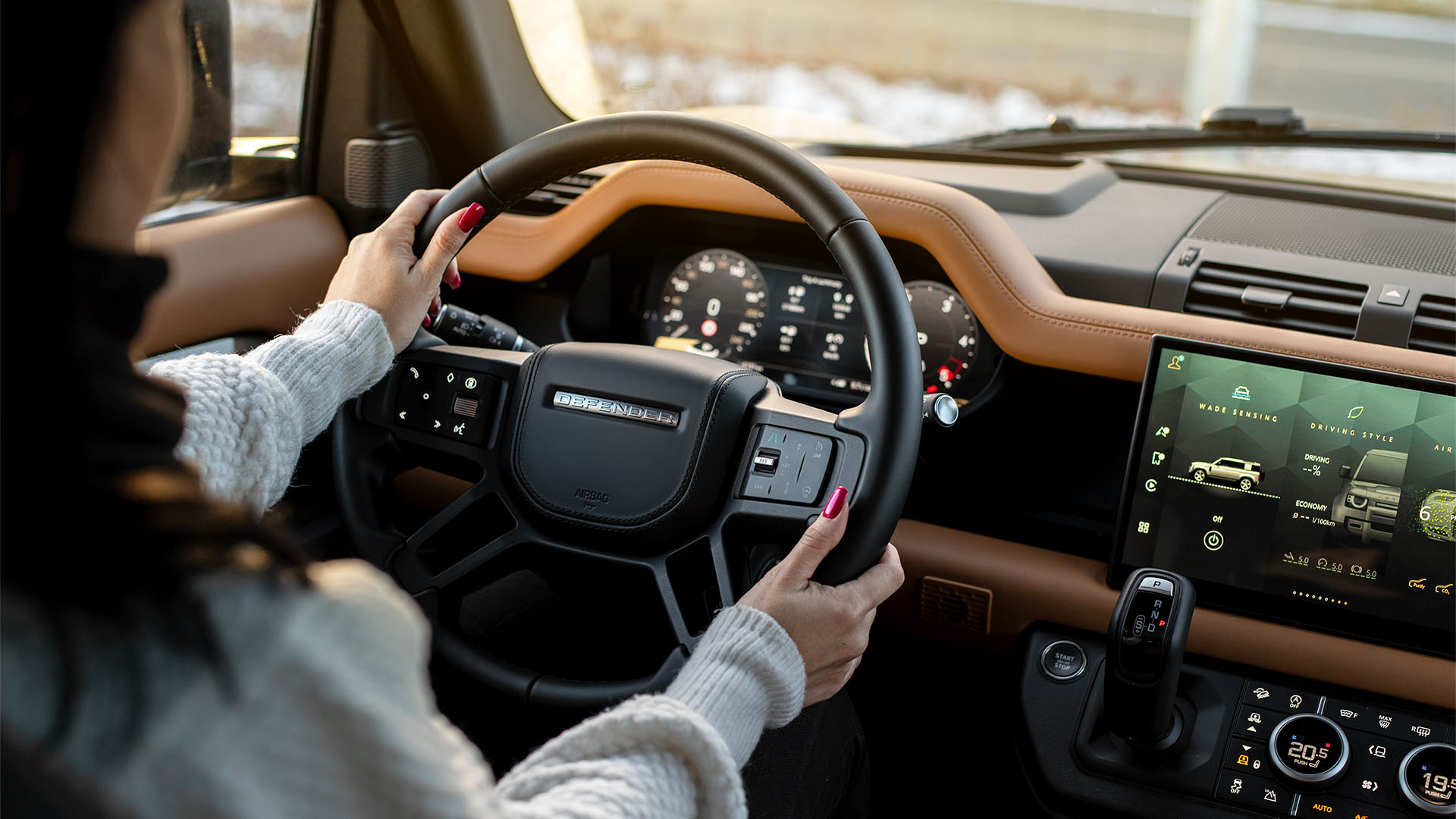
Modern vehicles are packed with systems designed for safety, but most drivers only use a fraction of what’s already built in.
Modern vehicles are packed with a wide range of safety features, from systems that help prevent collisions to tools that improve visibility and driver awareness. Many of these technologies work quietly in the background and often go unnoticed. As a result, many drivers are not fully aware of what their vehicle is actually capable of. Understanding the safety features built into your car can help you use them more effectively and feel more confident on the road.
Lane-keeping assist
Lane-keeping assist helps keep your vehicle centered in the lane, and it is mandatory in every new car in the EU. If the system detects that you’re drifting without signaling, it can either alert you or gently steer the car back into position. Practically, it’s the most useful during long highway drives when attention can slip for a second. Instead of crossing into another lane or onto the shoulder, the system adds a subtle correction. Manufacturers like Volvo Cars explain that lane keeping aid “helps prevent accidental high-speed lane departures by providing warnings and steering interventions.”
Adaptive cruise control
Adaptive cruise control builds on traditional cruise control by automatically adjusting your speed based on traffic ahead. Instead of maintaining a fixed speed, it uses radar or cameras to keep a set distance from the vehicle in front. If traffic slows, your car slows with it. When the lane clears, it returns to your preset speed. This reduces the need for constant braking and accelerating on highways, lowering fatigue and helping maintain a safer following distance. It works best with lane keeping, and together, the result is a very smooth, relaxed ride.
Pilot assist

Some manufacturers offer more advanced driver assistance systems that combine multiple features into a single system. Instead of working separately, these systems manage speed, following distance, and steering support simultaneously.
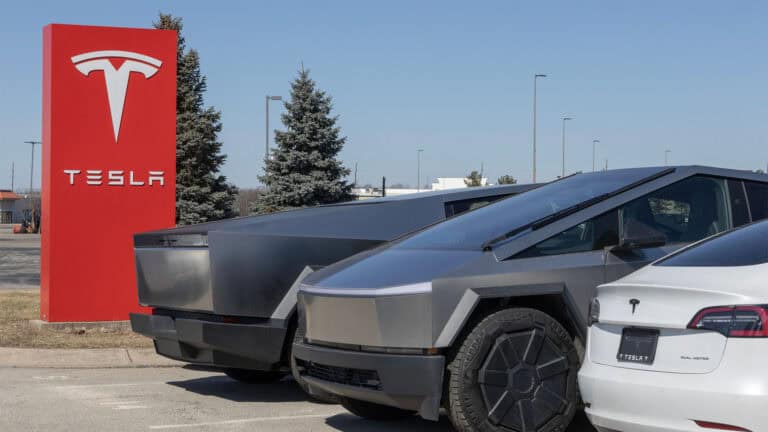
For example, Tesla offers Autopilot, which includes traffic-aware cruise control and lane-centering assistance. The system can automatically adjust speed based on surrounding traffic while also helping keep the vehicle positioned within its lane. According to Tesla’s official documentation, these features are designed to assist with steering, acceleration, and braking, but they still require the driver to remain attentive and keep their hands on the wheel.
Blind-spot monitoring
Blind-spot monitoring helps detect vehicles that are just outside your mirrors’ view. Sensors track nearby traffic and trigger a warning if another car is in the next lane. If you use your turn signal while a car is detected, many systems add an audible alert. Blind-spot monitoring is designed to detect vehicles in hard-to-see areas and alert the driver when one enters that zone. It is an easy, super useful system you don’t know you need until you try.
Emergency braking
Automatic emergency braking (AEB) is one of the most impactful safety features currently available. It detects a potential collision and can apply the brakes if the driver doesn’t respond in time. This feature really comes in handy in situations like sudden stops in traffic or when a driver is momentarily distracted. Many systems also detect pedestrians, adding another layer of protection in urban driving. It is one of the best safety features that not only works great at high speed, but can also be super useful in a traffic jam or even in a tight parking space.
360-degree cameras
360-degree camera systems use multiple cameras, usually mounted in the side mirrors and on the front and rear bumpers. From the multiple camera views, the software creates a 360-degree top-down view of your surroundings. This makes it easier to see obstacles, curbs, or other vehicles when maneuvering in tight spaces. Instead of relying solely on mirrors, you get a more complete picture of what’s around you. Combined with parking sensors and cross-traffic monitoring, the system can significantly reduce minor accidents in tight parking spaces.
Parking sensors
Parking sensors are designed to help drivers detect objects that might otherwise go unnoticed when maneuvering at low speeds. Sensors on the front and rear bumpers monitor the area around the vehicle and provide alerts as you approach an obstacle. In everyday driving, this is what helps prevent those small, easy-to-miss mistakes, like backing too close to a wall or misjudging distance in a tight parking spot. It is one of the most useful features in modern cars, helping reduce minor accidents and making parking less stressful.