

In this country, speeding fines are based on your income

In this European country, a speeding ticket could cost you pocket change or six figures depending entirely on how much money you make.
A speeding ticket is usually pretty straightforward. You get pulled over, you pay the fine, and that’s it. The amount might vary by state or how fast you were going, but it’s generally the same for everyone. In one country, though, that’s not how it works, and the difference can make a routine ticket a much bigger headache depending on who’s behind the wheel.
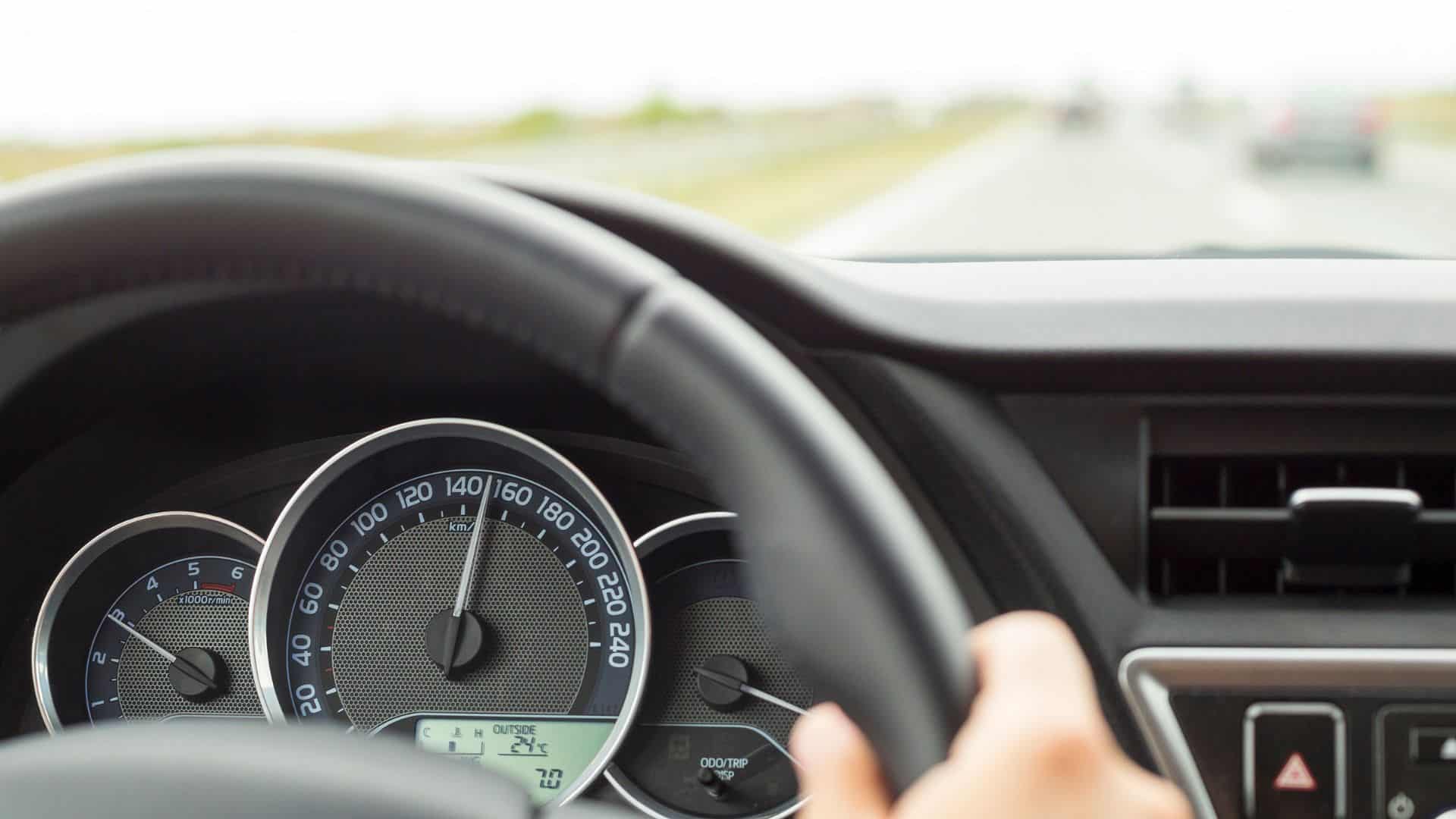
A system where punishment scales
In Switzerland, the legal basis for income-based fines comes from Article 34 of the Swiss Criminal Code, which establishes a “day-fine” system for monetary penalties. There is a point system with a base penalty fare between 30 and 3000 Swiss francs, which converts to roughly $48 to $4800. But if the driver is a serious or repeat offender, instead of assigning a fixed amount, courts can calculate fines based on two factors: the seriousness of the offense and the offender’s personal financial situation. Since it reflects a portion of a person’s income, the final penalty increases or decreases depending on their earnings.
When speeding becomes expensive
The goal isn’t to punish wealthy drivers more harshly for the sake of it, but to make sure that fines have a similar real-world impact regardless of financial status. This doesn’t apply to every ticket in Switzerland. Most everyday speeding violations still come with fixed penalties, similar to what you’d see in other countries. But under their laws, once drivers exceed higher thresholds or are classified in more serious speeding categories, the system changes. That’s when fines can be dramatically increased, and why some cases end up making international headlines.
What seems to work about this system is that fines have a real-world impact regardless of wealth. The penalty feels meaningful for both lower and higher earners instead of disproportionately affecting one group. CNN reports on a case out of Switzerland where a driver was hit with a speeding fine that could reach around 90,000 Swiss francs (roughly $110,000) after being caught going about 17 mph over the limit in Lausanne. The number itself was tied to his financial situation and showed exactly how authorities can scale fines based on income and overall wealth. In this instance, officials determined the driver was a repeat offender and one of the country’s wealthiest residents.
Why it gets attention
Stories of excessive fines are always going viral. Part of what makes this story stand out is how it clashes with expectations elsewhere, especially in the U.S., where speeding fines are typically set regardless of income. But in Switzerland, the logic is different because a fine isn’t just about the violation itself. It also comes down to whether the punishment actually means something to the person paying it. And in some cases, that difference is measured in tens of thousands of francs.
And what do people online think about income-based fines? Human rights commissioner Randall Arsenault argues that, while the law is technically applied equally, “justice is not,” pointing out that wealth can dramatically alter how punishment is experienced in practice.
He paints this system as an attempt to balance that inequality by making penalties scale with income. But the comment section shows how split the issue really is. Some viewers strongly reject the idea, calling it unfair and arguing it could discourage people from working harder or create a “two-tier” justice system.
The debate still leaves us wondering whether equal punishment means everyone pays the same amount or everyone feels the same impact.