
Are EVs truly better for the Planet? Here’s what the data actually shows

Understanding what electric vehicles really mean for the environment.
Whenever I hear someone say, “EVs are the green future,” a little part of me wants to ask, “But… are they really that green?” I have spent nearly 15 years in the industry and have seen how carmakers slowly shifted from internal combustion engines to electric power. Then, when I started working on battery service and recycling projects, I gained a much more comprehensive understanding of the situation. I call it a “situation” because, let’s be honest, many carmakers did not originally want to replace petrol cars. There was massive pressure from the government and the public to reduce emissions and environmental impact, and at the time, no other viable solution was available.
Yes, we know there are cars with fuel cells that run on hydrogen, but that technology was almost exclusively limited to laboratories 10 years ago. Consequently, the industry made a decision based on the technology they had on hand and developed electric vehicles. Since then, the public has been divided into two groups. One group argues that electric cars are the only way to go, while another claims that marketing is merely masking the real impact and that EVs are just as detrimental to the environment as petrol cars. Let’s compare the two sides and determine if EVs are truly a green choice for the future.

The rise of electric vehicles
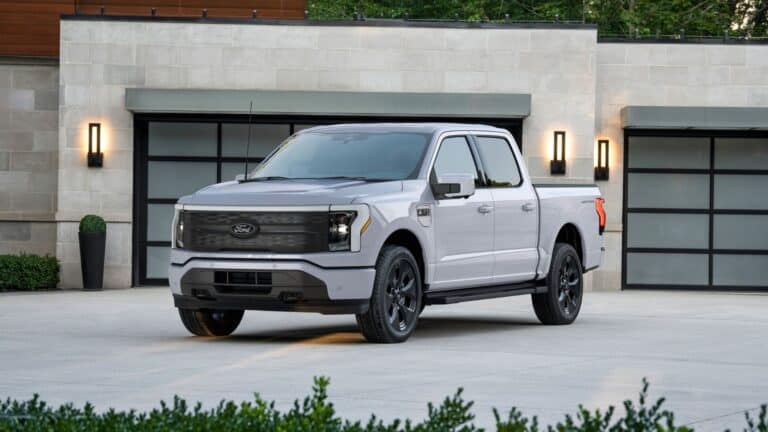
It’s impossible to ignore how EVs are slowly taking over the roads. Ten years ago, seeing a Tesla was like spotting a rare animal in the wild. Now? They’re everywhere. And this rise isn’t just about people wanting to appear environmentally friendly or reduce fuel costs. There’s a much bigger picture at play.
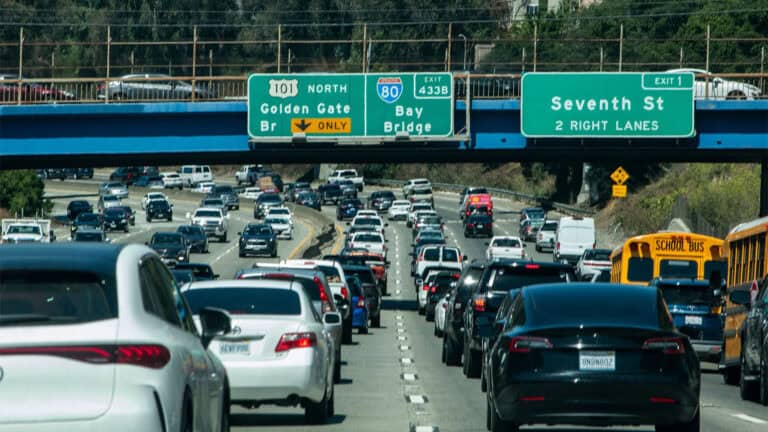
A big part of the reason is our growing awareness of climate change. According to the EPA, the average gas-powered car in the U.S. emits approximately 4.6 metric tons of CO₂ per year, and there are nearly 300 million cars on the road in the USA. That’s a lot of carbon just to get around. In the meantime, the average person began to realize and understand the climate impact as soon as mainstream media started discussing it.
Besides concerns about climate change from the public, governments began to take action regarding air pollution and its health impacts a few years ago. Many countries, including the U.S., have rolled out stricter emissions standards and incentives to encourage people to make the switch. Tax credits, rebate programs, and even access to the carpool lane are all part of the push to reduce pollution.
These all led to a movement, and EVs began to gain popularity.
What about the numbers?
This isn’t just hype. In 2023, over 1.4 million new electric cars were registered in the U.S. alone, marking a massive 40% increase from the previous year. The momentum carried into 2024, with sales reaching approximately 1.6 million units—a 10% increase over 2023. However, by 2025, the market shifted; total sales for the year dipped slightly to about 1.3 million, representing a 2% year-over-year decline.

This recent drop in sales is happening for a few specific reasons. A major factor was the expiration of federal tax credits on September 30, 2025, under the “One Big Beautiful Bill” Act. This caused a massive surge in Q3 as buyers rushed to claim the $7,500 credit, followed by a sharp “sales cliff” in Q4. Additionally, many Americans remain concerned about the lack of reliable public charging stations and higher upfront purchase prices.
Comparing emissions: gas vs. electric
Let’s look into whether EVs are really green. What we all know about EVs is that they produce zero tailpipe emissions. That’s huge, especially in cities where smog is a daily concern. Also, EVs mainly use their electric motors for braking, which further reduces the dust generated by traditional disc brakes.
While electric vehicles do not produce tailpipe emissions, it’s important to note that EVs are not completely “zero-emission” vehicles when their entire lifecycle is considered.
The CO₂ impact
On average, a gasoline-powered car emits about 170 grams of CO₂ per kilometer.
EVs don’t emit anything directly (tailpipe emissions), but the electricity used to charge them might still come from coal or natural gas. That means your EV could still be contributing to pollution, depending on where you live and how the electricity is generated. It is possible that your EV is still powered by fossil fuel at the end of the wire.
The big picture: Lifecycle emissions
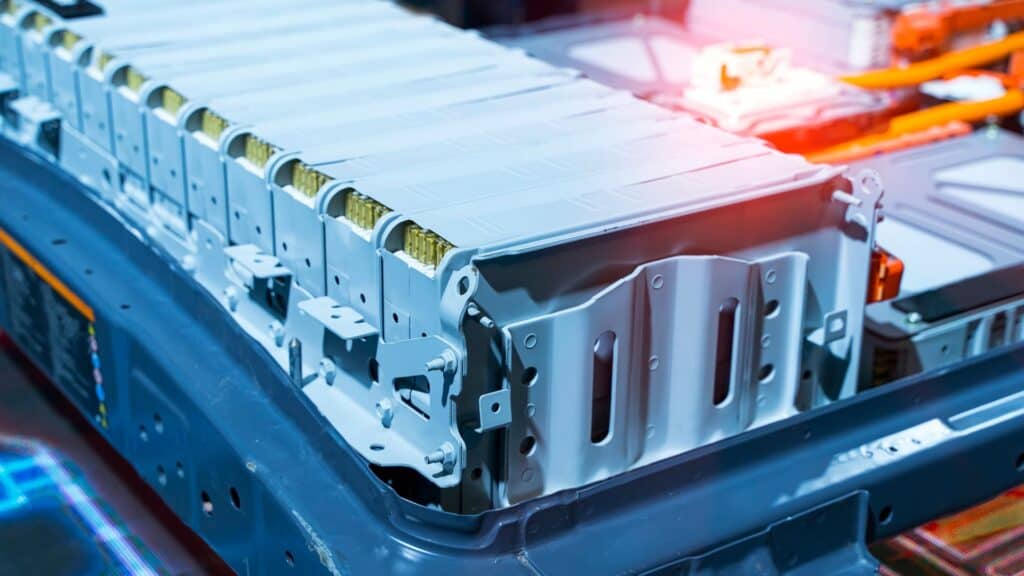
EVs actually start off worse than gas cars in terms of production emissions, mainly because of the battery. The amount of CO₂ emitted to produce a single EV battery depends on many factors, such as where and how it’s made. Still, over time, most EVs make up for this by reducing operating emissions. You just need to drive them long enough. According to IEA and their calculator, an EV vehicle emits 54% less CO2 during its lifetime, and the EV’s cumulative emissions are lower than those of its internal combustion equivalent after 2 years.
So while your new EV might start off with a bit of baggage, it quickly becomes the greener option.
Mining for materials
To produce those powerful lithium-ion batteries, we require lithium, cobalt, and nickel, all of which are mined from the earth. That process has its own environmental and ethical costs, which are often hidden, and battery producers must make significant improvements.
Lithium mining, particularly in South America, consumes substantial amounts of water. In places like Chile’s Atacama Desert, this puts stress on already dry ecosystems.
In the meantime, cobalt often comes from the Democratic Republic of Congo, and unfortunately, some of it is extracted under terrible labor conditions.
This is the part of the EV story we don’t hear enough about. Just because the pollution isn’t coming out of a tailpipe doesn’t mean it’s not happening; measuring it is almost impossible. Battery producers and automakers are increasingly aware of these concerns and are working on improving their supply chains, such as introducing blockchain technology to track materials.
What happens to EV batteries later?
If you ever wondered what happens to these batteries after 8 or 10 years, here is the short story.
Thankfully, they do not end up in landfills or on the side of the road. Battery producers and car makers are obliged by law to collect and recycle battery packs. In fact, many car makers are offering incentives to return old used batteries, aiming to improve the collection rate and reduce scrap that ends up in unusual places. It is not always for environmental concerns, but to mitigate the risk that their batteries are serviced by third-party players and resold under their original brand name.
In Europe, they will soon be required to use recycled materials to produce new batteries, which will increase demand for used batteries.
Car batteries are complex and expensive components, and even when they are no longer used in a vehicle, they still have several options for reuse.
Battery service
Yes, battery packs can be serviced if they are designed to be so. Packs typically contain several battery modules, electronic components, and a cooling system, among other components. These components can be replaced, and the pack can be returned to a vehicle and used for several more years. Due to technological limitations, it won’t be as good as a brand-new one, but it will perform perfectly for many years to come. This process can significantly reduce the environmental impact.
Second-life
If the battery still works but can no longer be used in a vehicle due to capacity degradation, it can still be used for energy storage. Several companies are developing solutions for energy storage run by old EV battery packs. They are perfect for a home environment to store solar power or, in a larger batch, used as a backup solution in case of a power outage, supporting the electric grid. Just imagine powering your house with an old EV battery that’s still alive. The good news: it’s already happening.
Recycling

This is where the industry has the most significant opportunity for development. Battery recycling is still a work in progress, but companies like Redwood Materials in Nevada are making strides in extracting and reusing valuable metals. This could drastically reduce our reliance on new mining. The aim is to reach a 95% recovery rate of the scrap batteries, reducing their environmental impact even further.
The process typically begins with shredding the battery packs using large machines in a closed environment to prevent fires and filter hazardous materials from the air. Then, they sort the scrap into different types of materials, such as plastic, metal, and “black mass”.
Black mass is a thick black dust with high graphite content. This contains all the raw earth materials from the batteries that later need to be separated via various chemical processes.
Are EVs really better for the environment?
Based on the data, the answer is yes, but with a few important caveats. Switching to an EV won’t solve climate change overnight. But it’s a step in the right direction, especially if we’re thoughtful about how we make, use, and reuse these vehicles and their components. If we keep cleaning up our electricity sources, improving mining practices, and investing in better battery tech, EVs will absolutely keep getting better for the planet.
I’m not here to say every single person should trade in their gas car tomorrow. That won’t help. It would mean that you scrap your current car, and they manufacture a new one for you. This combined could have a much bigger impact on the environment than any EV could offset. But if you’re in the market for a new car and care about the environment and your long-term fuel bills, an EV is worth seriously considering.