
Understand your car’s towing capacity—safety, weight limits, and what really matters
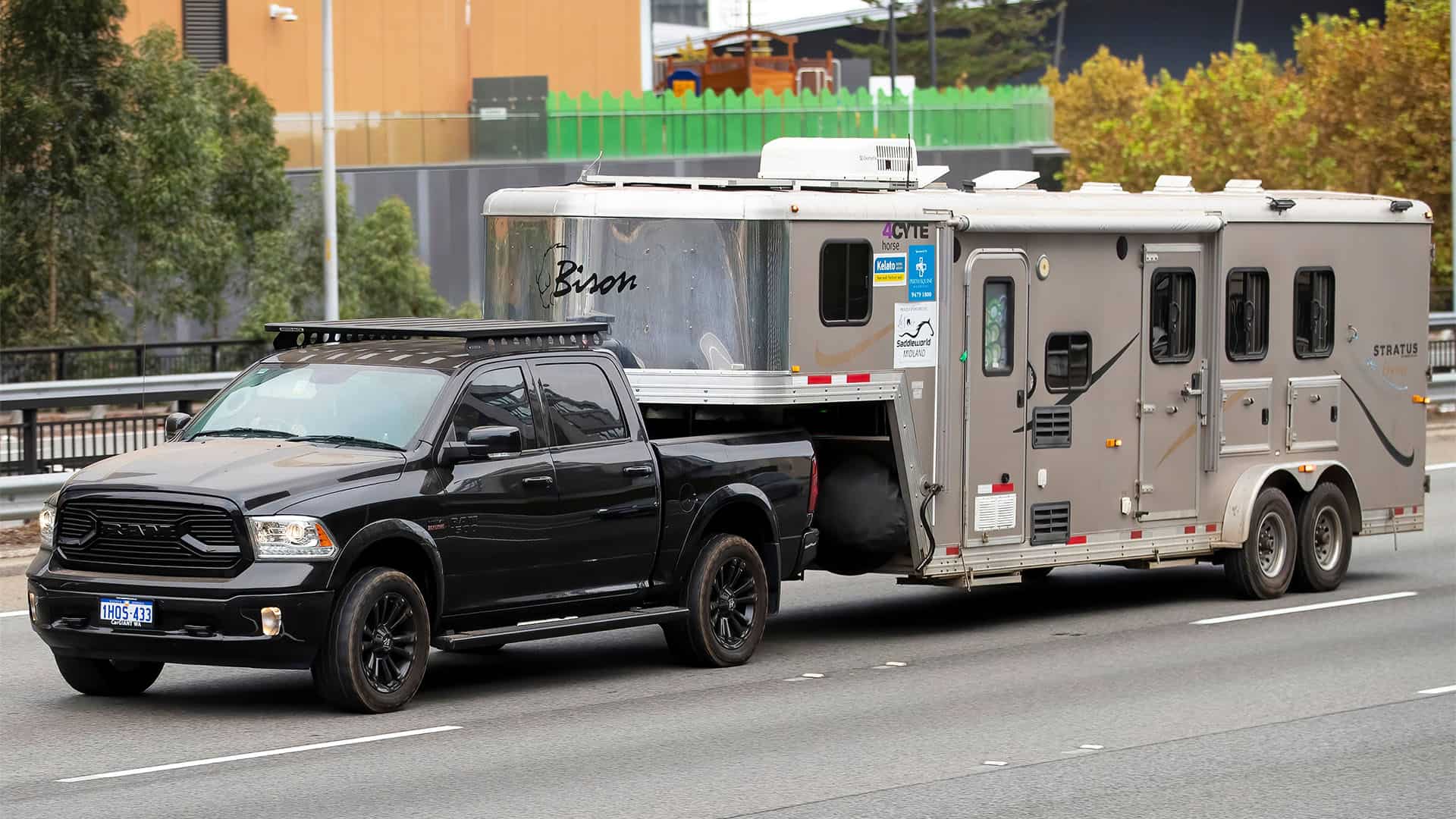
Understanding towing ratings, what they represent, and how to choose a vehicle that can handle the load safely and reliably.
For many drivers, the idea of hitching up a trailer and heading out on a long highway journey or into the wilderness is part of the appeal of owning a capable vehicle. But before choosing a car for that kind of trip, it is important to understand how towing actually works and what is required to stay safe on the road.
When drivers compare towing numbers, it often turns into a comparison of which vehicle claims the highest rating. In practice, towing involves more than a single figure. Understanding what those numbers represent and how they are calculated is essential before making a purchase. Buyers need to account for towing capacity, gross weight ratings, hitch classes, and overall vehicle performance to make an informed decision.
How to understand towing capacity?

The first number everyone looks at is the towing capacity, which is the maximum weight the manufacturer says the vehicle can safely pull. But there’s more to it than a single figure.
Towing capacity can vary widely within the same class of vehicle, and even within a single model. The engine, transmission, axle ratio, and whether the car has a factory tow package can all make a significant difference. For example, one version of a pickup might be rated to tow 12,000 pounds, while another trim with a smaller engine could be limited to 7,500 pounds.
What is the 80/20 rule for towing?
It’s also important to know how manufacturers reach these numbers. Published towing specifications assume the tow vehicle is carrying only the driver and no passengers, luggage, or weekend gear. If you’re planning to tow a travel trailer and bring your family, food, bikes, and camping supplies, that extra weight reduces your effective towing capacity.
A safe rule of thumb is to follow the 80% towing rule, meaning don’t haul more than 80% of your vehicle’s rated maximum capacity. This provides a margin of safety in case you miscalculate your trailer weight, preventing overloading in real-world conditions.
What is GCWR?
Gross Combined Weight Rating (GCWR) is the maximum allowable weight of the tow vehicle and the trailer together when fully loaded. This includes the weight of the vehicle, passengers, cargo, fuel, the trailer itself, and everything carried on the trailer. Manufacturers determine GCWR based on engine output, transmission strength, axle ratios, cooling capacity, and overall structural limits.
GCWR is one of the most important numbers in towing because it defines the total weight the vehicle can move and stop safely as a combined unit.
What is GCWR vs. GVWR?
While the two ratings are related, they measure different things:
- GVWR applies only to the tow vehicle. It tells you how much weight the vehicle can safely carry on its own suspension — including occupants, fuel and cargo.
- GCWR applies to the entire setup. It tells you how much weight the vehicle and trailer together can weigh without overloading the engine, transmission, brakes or frame.
A vehicle can have an acceptable trailer weight and still exceed one of these ratings. For example, a trailer may be within the towing capacity, but if passengers and cargo push the total beyond the GCWR, the setup becomes unsafe. Similarly, a vehicle can exceed GVWR even when towing a lightweight trailer if the tongue weight and cargo overload the suspension.
Understanding both ratings is essential for determining what you can tow safely and legally.
Trailer hitch classes
Trailer hitches sold in the United States are categorized into five classes, each designed for specific trailer sizes and weight ranges.
- Class I: Up to 2,000 pounds. Suitable for very light utility trailers and small cargo racks.
- Class II: Up to 3,500 pounds. Used for small boats, light campers and compact trailers.
- Class III: Up to 12,000 pounds. Common on SUVs and light trucks; handles medium trailers.
- Class IV: Up to 14,000 pounds. Found on full-size trucks; designed for heavy boats and larger travel trailers.
- Class V: Up to 23,000 pounds. Intended for commercial-grade towing and the heaviest consumer trailers.
A hitch must always be matched to the trailer weight and the vehicle’s rated capacity. Factory-installed hitches are typically preferred because they are engineered with the vehicle’s structure and electrical system in mind.
What to check to see what you can safely tow
Determining whether a vehicle can tow a specific trailer requires checking several data points:
- Vehicle towing capacity from the owner’s manual or the manufacturer’s site.
- GVWR and payload capacity on the doorjamb label.
- The Gross Combined Weight Rating (GCWR) specifies the maximum allowable weight of the vehicle and trailer combined.
- Tongue weight limit, which measures how much downward force the trailer applies to the hitch.
- Vehicle performance. Drivers must ensure their vehicle has the proper performance to handle the load.
The loaded trailer weight must not exceed the towing capacity, and the combined vehicle-plus-trailer weight must remain under GCWR. Exceeding any individual limit can compromise braking, stability, and handling.
Vehicle performance for towing
Torque
Torque (not horsepower) is the key factor for moving heavy loads from a standstill and maintaining speed on grades. Gasoline engines can be effective for moderate loads, while diesel engines typically deliver stronger low-RPM torque and improved efficiency under tow. Hybrids and electric trucks also offer strong torque response, though electric vehicles may experience significant range reductions when towing.
Transmission and gear ratios
A robust transmission with a dedicated tow/haul mode helps protect the drivetrain under load. Tow/haul programming typically holds lower gears longer and improves downhill engine braking. Axle ratios also matter: a higher numeric ratio (such as 3.73) enhances pulling power but may reduce fuel economy.
Braking systems
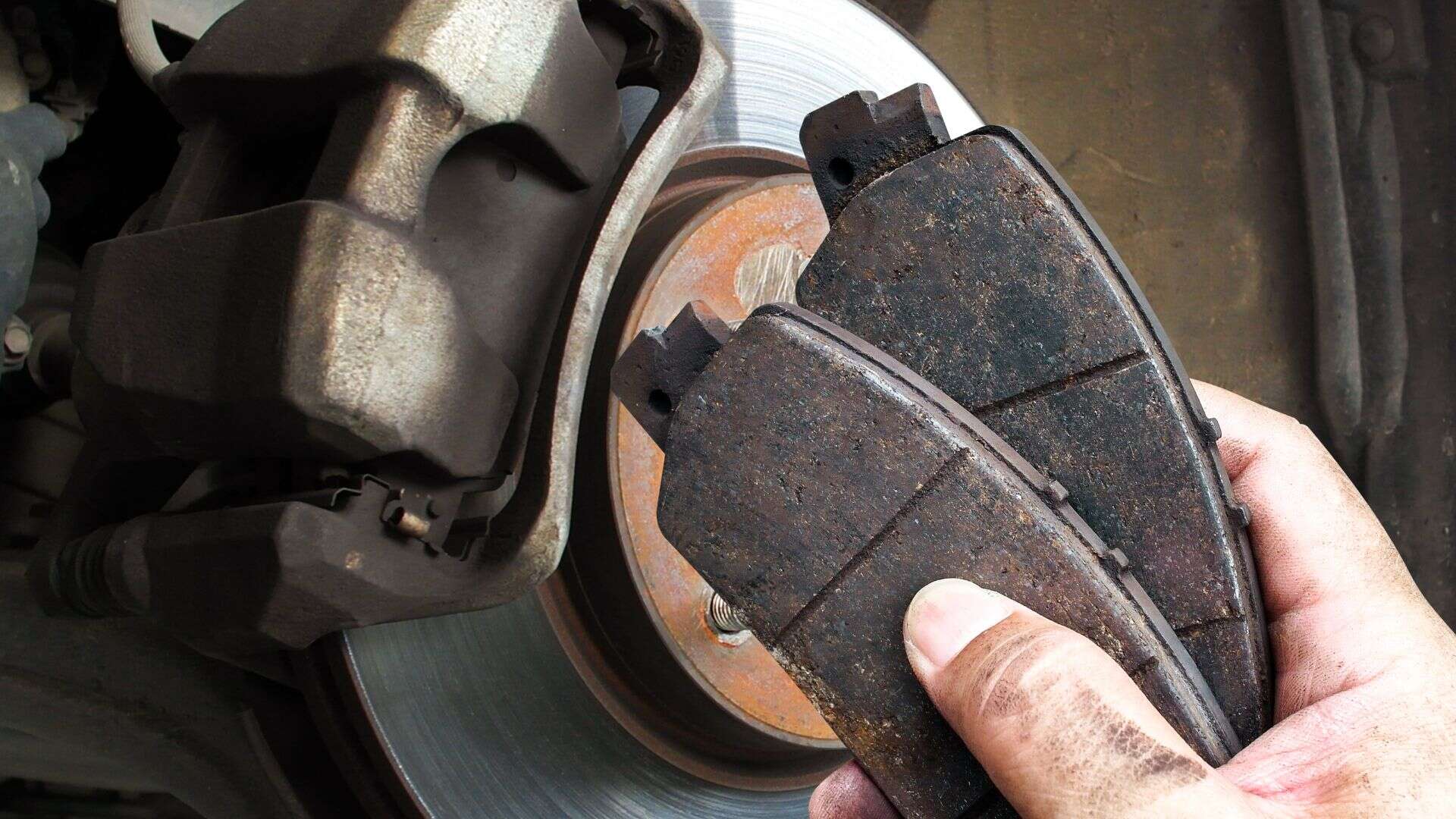
Braking ability is critical to safe towing. Many states require electric trailer brakes on trailers weighing more than 3,000 pounds. Vehicles equipped with integrated trailer brake controllers enable synchronized braking between the car and the trailer, reducing stopping distances and improving stability.
Suspension and chassis strength
A strong chassis and firm suspension help control trailer sway and manage weight transfer. Trucks with body-on-frame construction generally offer better durability for towing than softer unibody SUVs. Heavy-duty shocks, leaf springs, and load-leveling systems can improve stability for heavier trailers.
Cooling systems
Towing places continuous stress on the engine, transmission, and sometimes the braking system. Vehicles intended for towing often feature upgraded radiators, transmission coolers, and high-capacity fans. These components help maintain safe operating temperatures under high load and in hot weather.
Vehicle classes and their typical towing capability
Towing capacity varies significantly across vehicle categories, and understanding these differences is essential for selecting the right tow vehicle. Each class offers distinct advantages depending on trailer size, road conditions, and how often towing will be part of everyday use.
Subcompact SUVs and crossovers
Subcompact crossovers offer light-duty towing and are suitable for small utility trailers, lightweight campers, or small boats. Typical ratings range from 1,500 to 3,500 pounds, depending on the powertrain.
Recommended models:
- 2026 Subaru Crosstrek: up to 3,500 pounds
- 2026 Jeep Compass: up to 2,000 pounds
Midsize SUVs
Midsize SUVs are often chosen for family towing needs, including medium-sized campers and larger utility trailers. Capacities commonly range from 3,500 to 7,000 pounds, making them a versatile middle ground for recreational towing.
Recommended models:
- 2027 Kia Telluride: up to 5,500 pounds
- 2026 Nissan Pathfinder: up to 6,000 pounds
Large SUVs
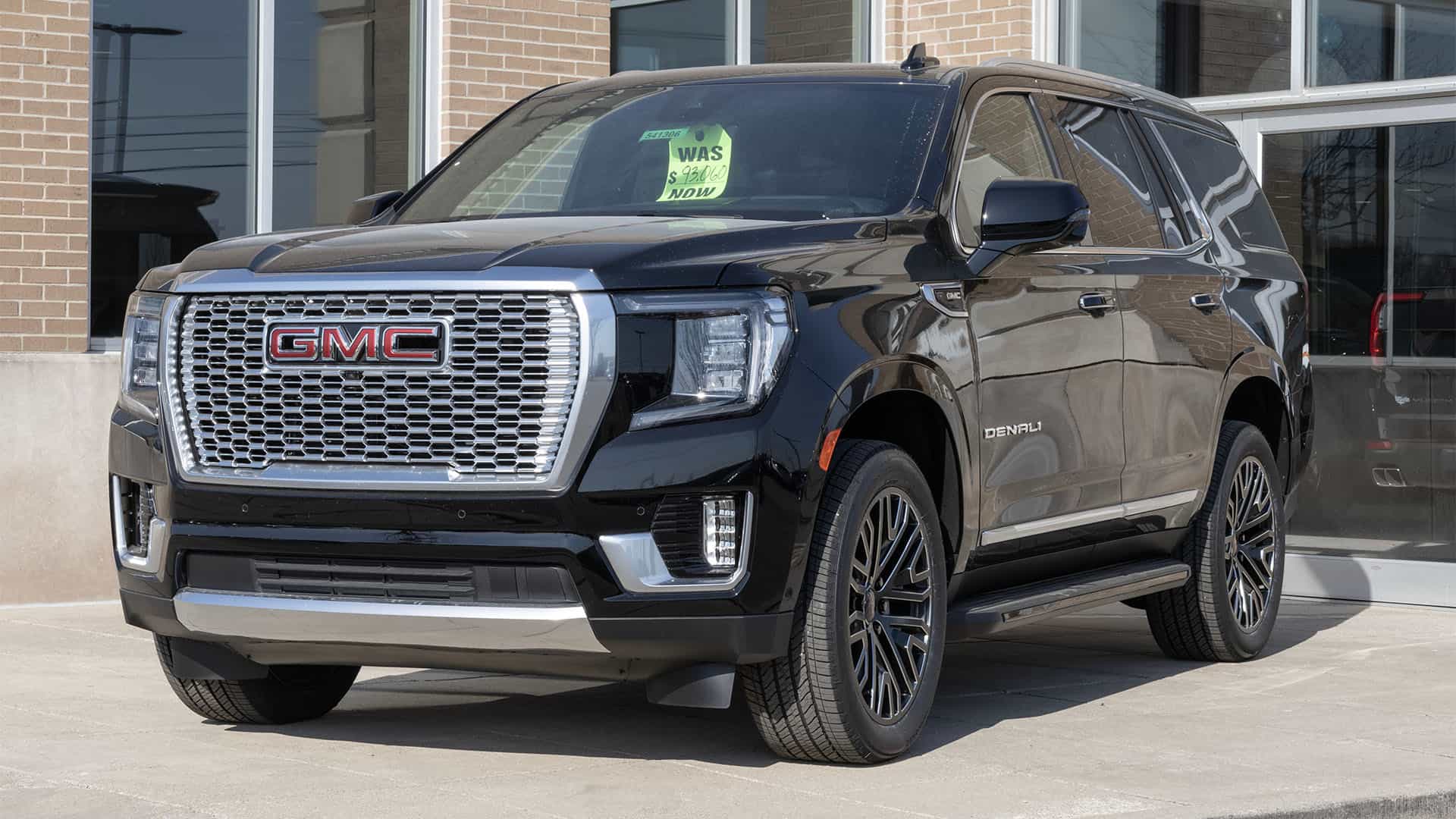
Large SUVs provide stronger frames and higher-capacity suspensions, offering 7,500 to 10,000 pounds of towing strength depending on the configuration. These vehicles are capable of handling heavier campers, boats, and enclosed cargo trailers.
Recommended models:
- 2026 GMC Yukon: up to 8,400 pounds
- 2026 Ford Expedition: up to 9,600 pounds
Full-size pickup trucks
Full-size trucks push towing limits into the 10,000–13,000-pound range, depending on engine and axle ratio. These trucks are regularly used for large RVs, multi-axle trailers and significant cargo loads.
Recommended models:
- 2026 Toyota Tundra: 12,000 pounds
- 2025 Chevy Silverado 1500: 13,300 pounds
Heavy-duty pickup trucks
Heavy-duty trucks offer the highest towing capacities available to consumers, especially when equipped with fifth-wheel or gooseneck hitches. Ratings typically start around 14,000 pounds and can exceed 35,000 pounds in top configurations. These trucks are designed for commercial-level hauling and the most demanding towing environments.
Recommended models:
- 2026 Ram 3500 HD : 36,610 pounds
- 2025 Ford F-350 Super Duty: 30,000 pounds
Don’t rely on numbers only
Manufacturer towing ratings provide a starting point, but they do not capture how a vehicle behaves in everyday use. Real-world performance depends on factors such as stability at highway speeds, behavior in crosswinds, or braking distances with a loaded trailer.
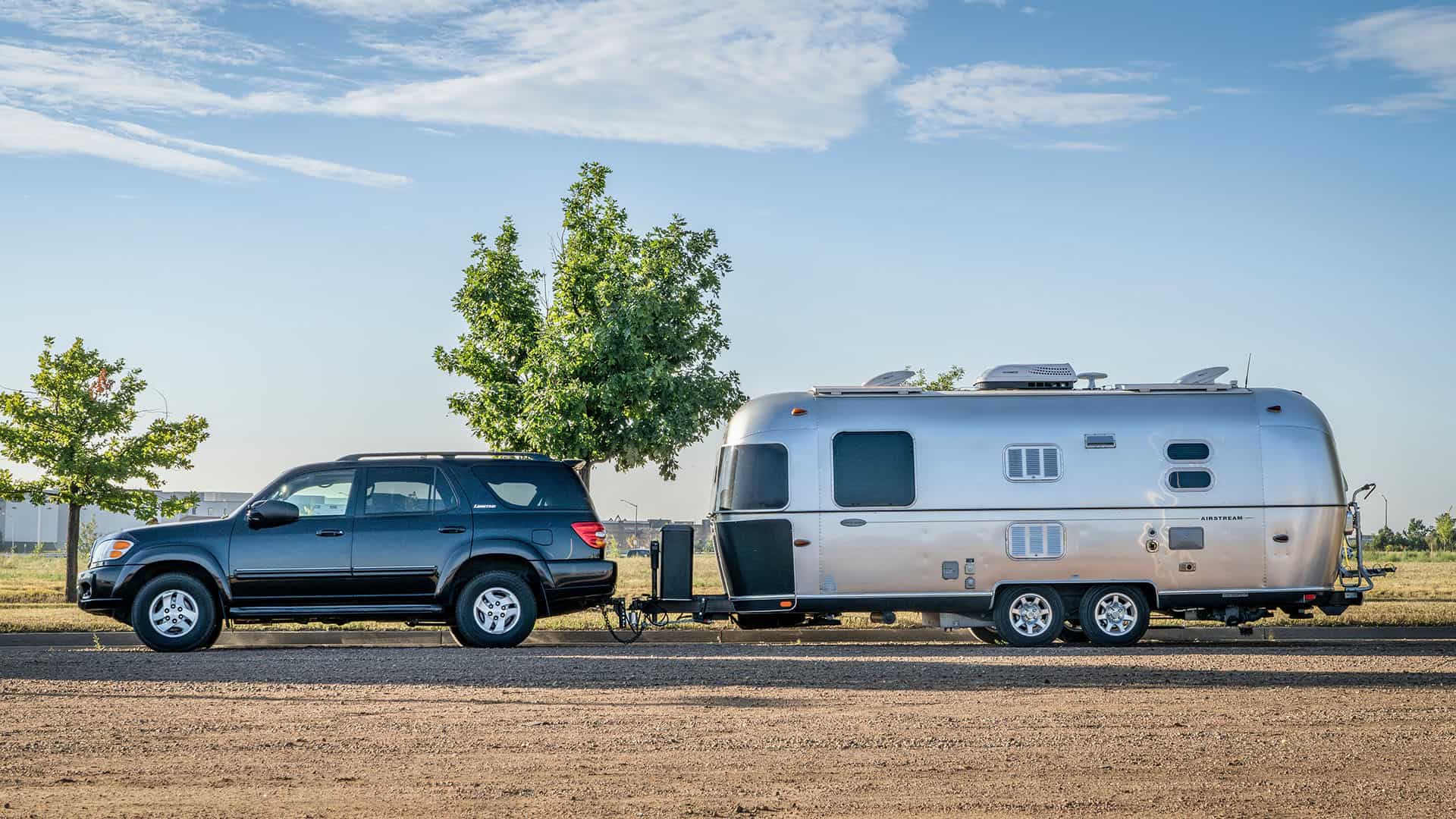
Because of so many factors, it is important not to jump to conclusions based only on a brochure number or a single online claim. Buyers who take towing seriously should do a deeper dive into the topic. Owner forums and brand-specific communities often share detailed towing experiences, including what worked well and what caused problems. Independent tests and reviews that focus on towing performance, rather than just everyday driving, can provide more realistic information about stability, braking and long-term durability.
A test drive is also critical. When possible, shoppers should test-drive different models equipped for towing and, ideally, experience them with a trailer or at least with a full passenger and cargo load. It helps highlight differences between vehicles. Comparing several cars in real-world conditions is often the most reliable way to determine which vehicle feels safest and most capable for the intended use.