
What is the performative male trend, and why is it shaping Gen Z’s masculinity
How TikTok memes and IG reels turned a hip, soft-guy stereotype into a cultural mirror for Gen Z’s tricky dance between authenticity and identity.
If you spend time scrolling on TikTok you’ll likely stumble on a punchline about a guy holding a matcha latte or pretending to read bell hooks while proclaiming “I’m 6’2 btw.” It’s funny, at first, but it’s also telling. The meme/video trend has become a real talking point in how a generation thinks about masculinity, sincerity, and what it means to be a “good man” in the age of algorithmic self‑presentation.

What exactly is the performative male trend?
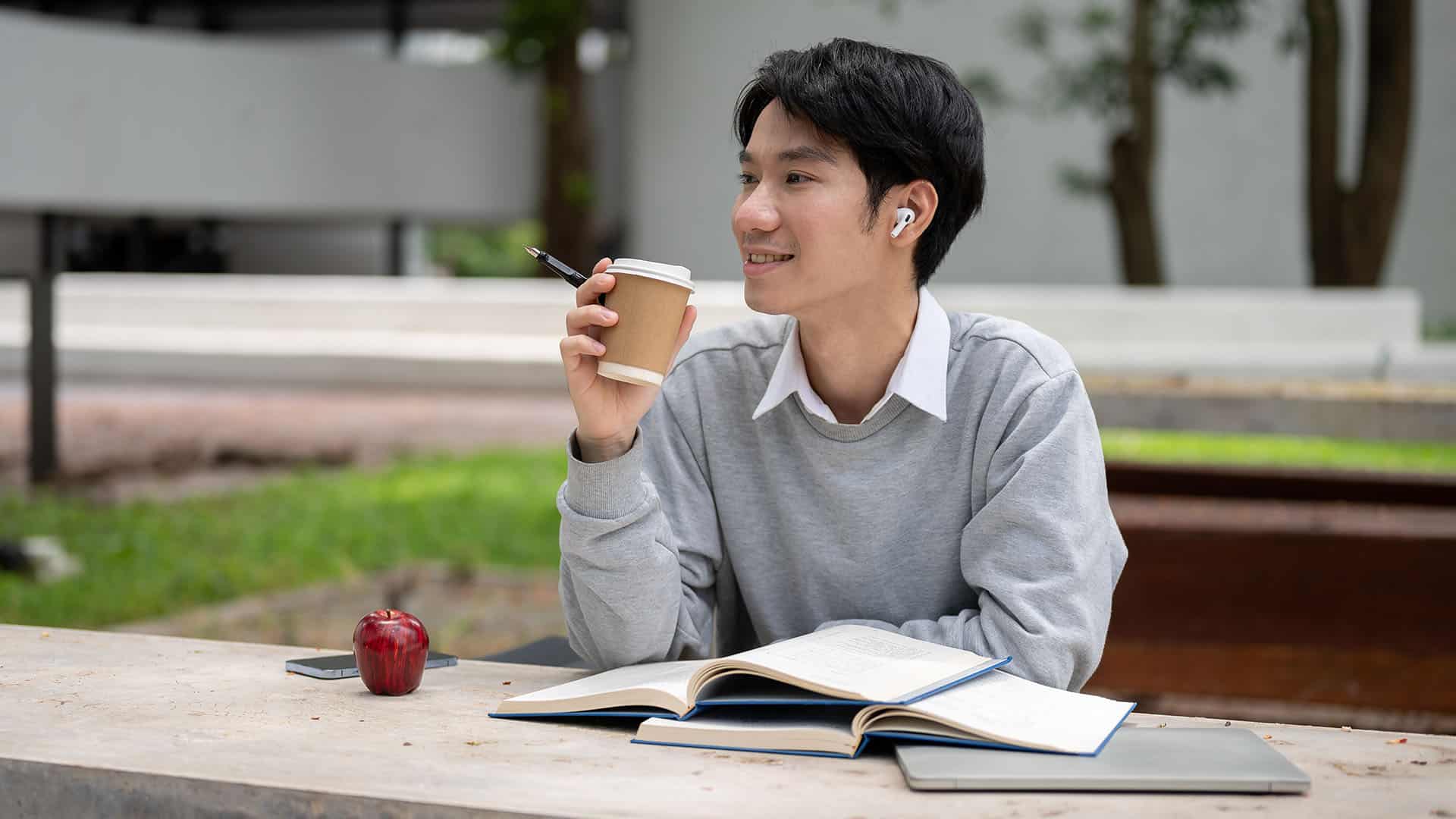
The “performative male” trend popped up online as both joke and critique. It’s shorthand for a young man who intentionally curates a package of visual and behavioral signals like soft fashion, feminist nods, artisanal drinks, and quirky accessories that say “I’m not like other guys.”
If you’ve seen TikToks or IG “starter pack” memes, you’ve probably seen the clichés: iced matchas, vintage cameras, the obligatory feminist book or playlist, and earnest declarations of emotional availability. Videos often cut between guys deliberately staging these signals, sometimes ironically, but always with a knowing wink.
The trend isn’t just online. Performative male contests where guys compete to embody the archetype at parks or campuses have gone viral, turning memes into real-life behavior. These events, documented and laughed about across the internet, blend earnest self‑expression with satire. It’s as if Gen Z collectively paused to say, “Is this who I am, or just what gets likes?”
A big part of the trend’s humor comes from the disconnect between substance and signal. Carrying a feminist book doesn’t make someone feminist, and sipping matcha doesn’t prove emotional depth. But both become shorthand for those qualities in the rapid cues of social media. That gap is where the term “performative” gets its bite. It’s more about what someone feels and more about how they look while feeling it. But even as Gen Z questions old stereotypes, some of the most entrenched gender roles still persist among young men today.
Trends and backlash colliding
This whole conversation touches on a deeper aspect of Gen Z’s uneasy relationship with identity and visibility online. They are coming into the world at a time where every single vibe or opinion can be recorded, captioned, and judged, so their authenticity is both prized and impossible to pin down. What’s interesting is how the performative male intersects with other trends like the softboy stereotype and changing ideas of what masculinity looks like. These are spaces where traditional macho norms break down, but not without a healthy dose of irony and self‑awareness.
Still, discussions about the trend aren’t limited to laughs. Many online users, especially women, complain that it trivializes feminist engagement and makes genuine allyship seem like a dating strategy. Reddit users describe how the trend “pushes men away from things that are stereotypically feminine, which therefore pushes them to conform to masculine gender norms, which is harmful to women.”
Other commenters argue the backlash itself reinforces old stereotypes, “I also feel it’s making it more difficult for some men to get into feminism in earnest. It’s making the idea of being a guy that identifies as feminist something to be ridiculed or makes it come across as insincere/fake.” This creates a chilling effect, where men who genuinely want to engage risk being dismissed or mocked before they even begin.
Why this matters
What is masculinity if not a performance? Gender scholars have long argued that gender itself is a set of repetitive acts, gestures, and signals that society reads as “masculine” or “feminine.” Social media just amplifies that logic, making everything a public display. Some argue that it’s liberating, giving young men permission to break from rigid “man up” norms, while others see a trap: trading one performance (stoic toughness) for another (sensitive hipster). But Gen Z isn’t just redefining masculinity online; they’re also challenging the systems and workplace expectations around them.
For Gen Z, the stakes are personal and social. Dating apps, social feeds, and comment sections are arenas where identity is constantly negotiated, curated, and consumed. But a playful meme trend about a guy with a tote bag becomes a mirror for bigger questions. Are men allowed to be soft? Can emotional awareness be genuine in a world built on likes? What does sincerity even look like when everything is a captioned clip? Understanding the performative male trend isn’t just about calling out a joke, but picking apart how a generation navigates authenticity in a world where everything is on display.