

Ex-Tesla president reveals what Elon Musk’s hiring method is, and why it works
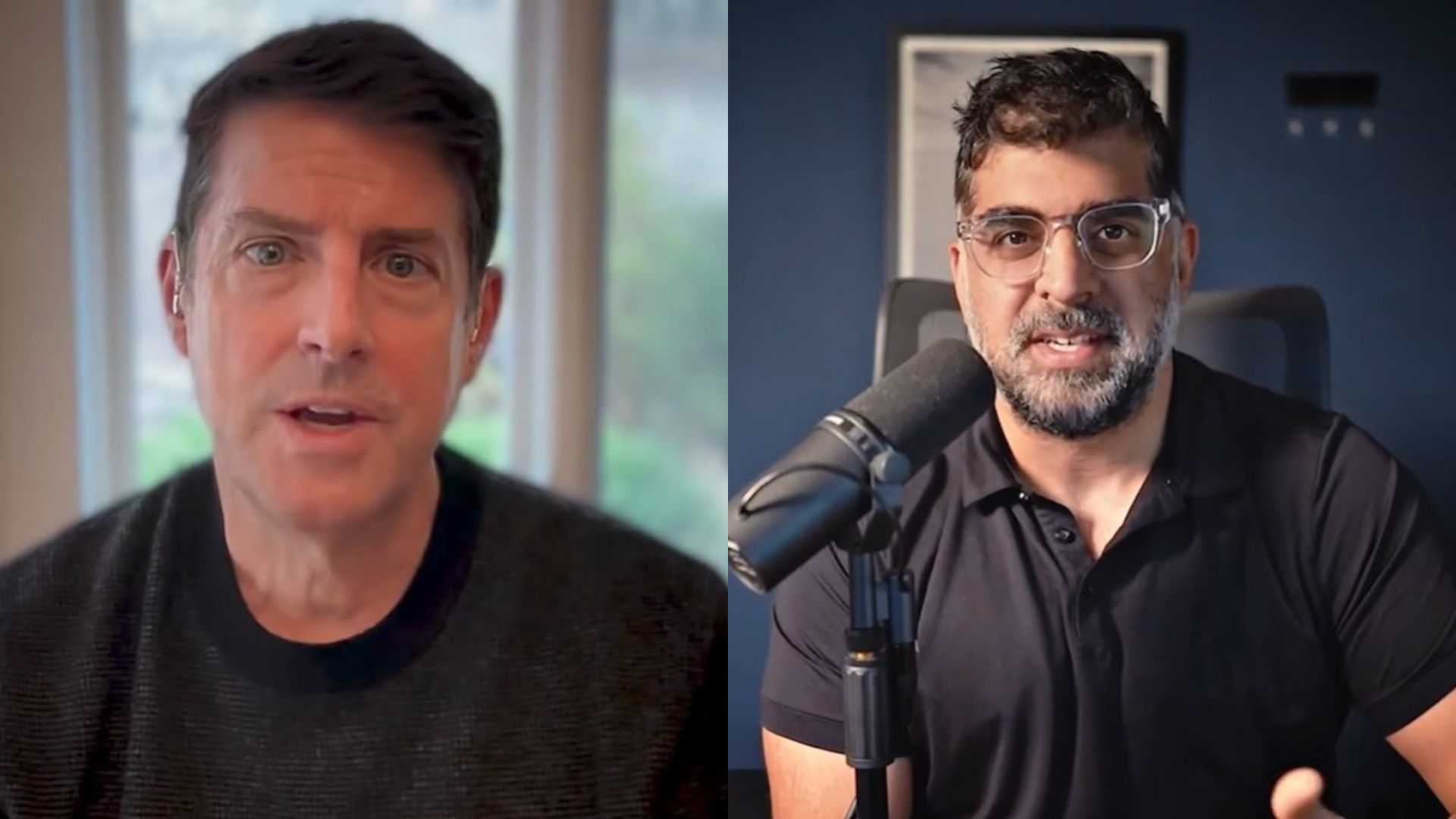
Jon McNeill shares the hiring “hack” he learned at Tesla to keep the culture from falling apart as the company grew to 40,000 people.
Hiring the right people usually feels like a roll of the dice. Managers review resumes filled with buzzwords, hoping that candidates match what’s on paper. But, despite spending significant money on recruiters and personality tests, companies struggle to find the right people. The issue isn’t a lack of talent; it’s the lack of a concrete method to identify it. Recently, Jon McNeill shared his unique experience of getting hired at Tesla, offering a new perspective on the hiring process.
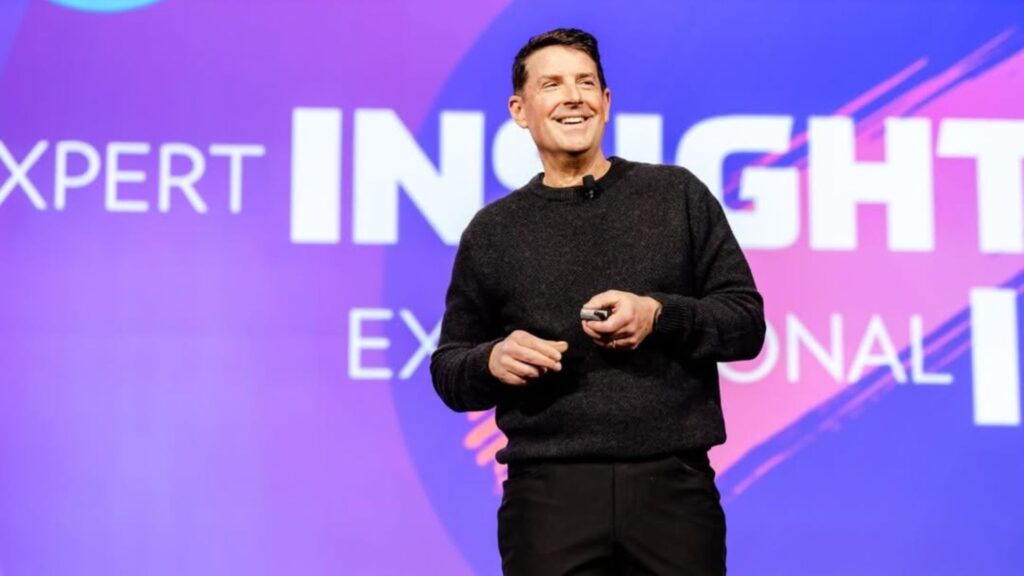
Jon McNeill is a well-known business leader and investor. He currently runs DVx Ventures, a venture capital firm. Before that, he was the president of global sales, marketing, policy, and services at Tesla, and COO at Lyft, a popular ride-sharing service. He has also served on the boards of several other companies, such as General Motors and Lululemon. In 2013, he was recognized by the local business journal as “Most Admired CEO” in Boston, and he has recently published a book titled The Algorithm, which discusses how to grow and scale businesses effectively.
The job interviews at Tesla
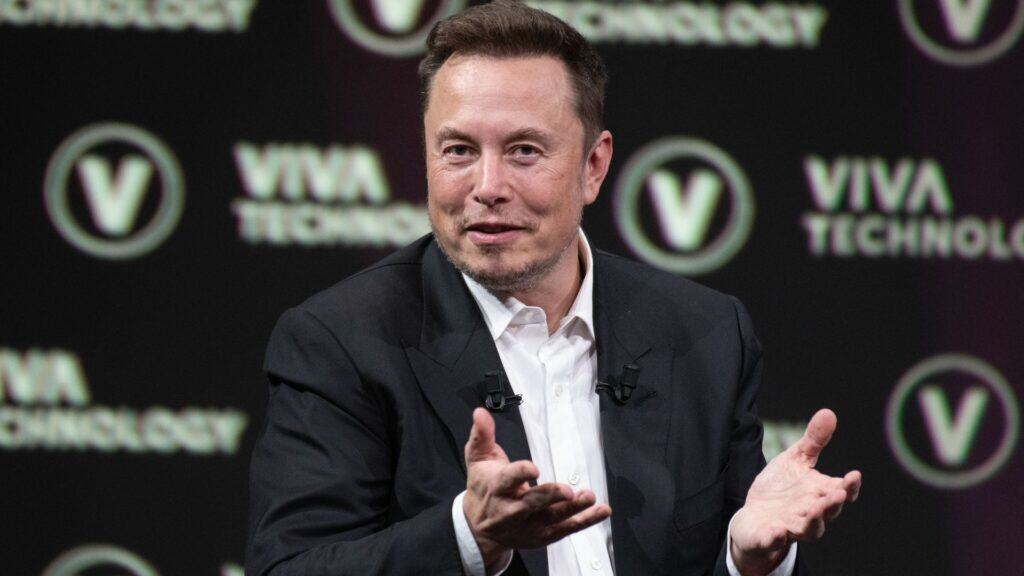
Recently, McNeill shared his experience from a job interview he had with Elon Musk on Shaan Puri’s podcast, My First Million. Instead of a traditional interview filled with HR questions or a formal setting, McNeill described how Musk’s approach was very different. When they first spoke, Musk jumped straight into discussing a manufacturing issue he was facing after just a couple of friendly exchanges.
McNeill recalled that Musk said, “Hey, I got this problem in manufacturing. Have you ever seen it before?” And then they talked about this issue for two hours straight. McNeill had relevant experience, so the two of them started working through the problem together in detail. By the end, Musk stood up and told McNeill he needed to go down to the factory floor to try what they’d just discussed. That was the first conversation.
When asked whether Musk was just trying to solve the problem or also assessing McNeill’s capabilities, McNeill clarified that it was a bit of both, but primarily focused on evaluating him. “His hiring method is he wants to determine whether or not you can do world-class work,” McNeill explained, “and his method is to interrogate a particular problem and go super deep on it.” He described Musk’s approach almost like a game, seeing how many levels deep a candidate could go before running out of knowledge.
Later, when McNeill became President, he made it a practice, especially when hiring for all managerial positions and above. During a period when Tesla grew from 4,000 to 40,000 employees, McNeill estimated that 60% of his time was spent on interviews, many of which he conducted with Elon Musk. “You totally win and lose on talent,” he said. He emphasized the importance of hiring the right talent for success, which was a priority at Tesla. He’d also often include the co-founder J.B. Straubel in the process, as he had a knack for selecting the right talent.
The episode generated a significant response online
One person wrote, “Non-stop idea generation from this. Most productive time I’ve spent recently.”
Many appreciated the simplicity of the interview itself. One person commented, “Really like the way the interview went. And the way the ideas and lessons were broken down into simple terms made it more easily understandable and relatable.”
Another person jumped in after watching the video, saying, “Wow. I can tell just by how he explains things that this guy can execute.” McNeill didn’t use the vague corporate jargon that usually fills leadership podcasts. His ability to explain complex organizational practices in simple terms is why he successfully managed operations at such a well-known company.
One viewer criticized the traditional HR approach, saying, “Resumes are dead. Tell the story behind your success. If you can’t, you are not worth working for anyone.” The whole point isn’t to review a list of accomplishments, but to understand how someone thinks and reacts when faced with real challenges.

Why employers should rethink how they evaluate candidates
Many hiring managers depend heavily on resumes and surface-level impressions, but these documents are becoming less reliable by the day. According to a 2025 Monster report, 13% of American job seekers admitted to including false or misleading information on their resumes. This trend of exaggerating job roles or skills can lead to substantial hiring mistakes. Companies can find themselves in trouble when new hires can’t perform the tasks or demonstrate the skills they claimed to have.
A better approach to hiring involves seeing how candidates handle real problems in real time. Hiring managers can ask candidates to break down their thought processes and explain their reasoning, giving a clearer picture of their actual abilities. For candidates, this changes the way they prepare for interviews. It’s no longer about memorizing “strengths and weaknesses” or listing achievements. Instead, they need to be able to explain the work behind their accomplishments and the decisions they made.
Additionally, as artificial intelligence (AI) continues to impact jobs, it’s more important than ever for job seekers to stand out from the crowd. And this starts with the right preparation, proving yourself beyond what’s on paper.