
Man wonders if he’s overreacting about neighbor routinely parking in front of his garage
He agreed to help once, but now it’s affecting his daily life, and he is asking the internet whether he’s overreacting.
Sometimes, living in a busy neighborhood means compromising. But there’s a fine line between being accommodating and being taken advantage of. One renter recently found himself stuck in that exact situation, questioning whether he was overreacting or finally waking up to a problem that had gone on too long. Should anyone have to ask permission just to use their own driveway?
The story
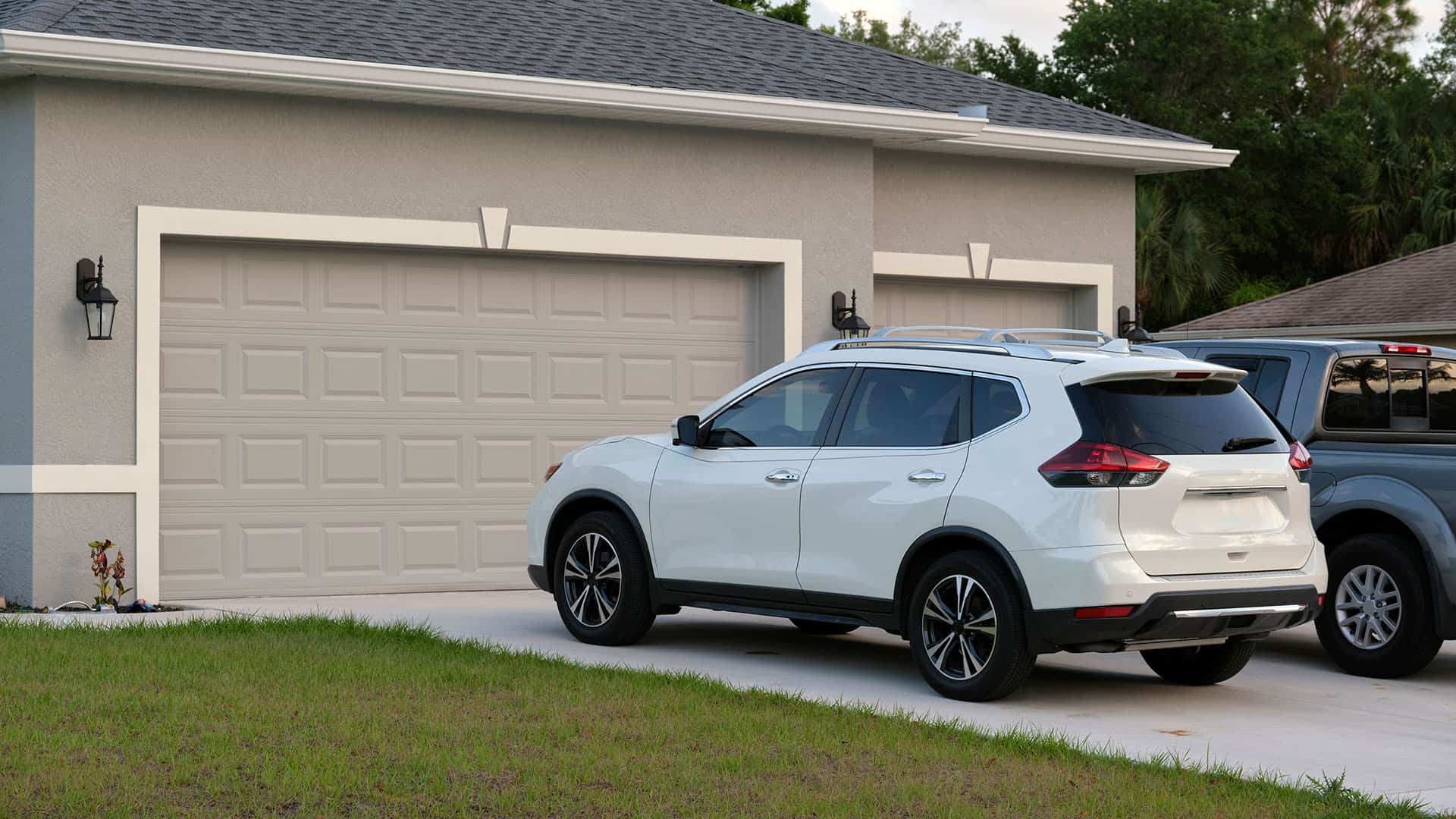
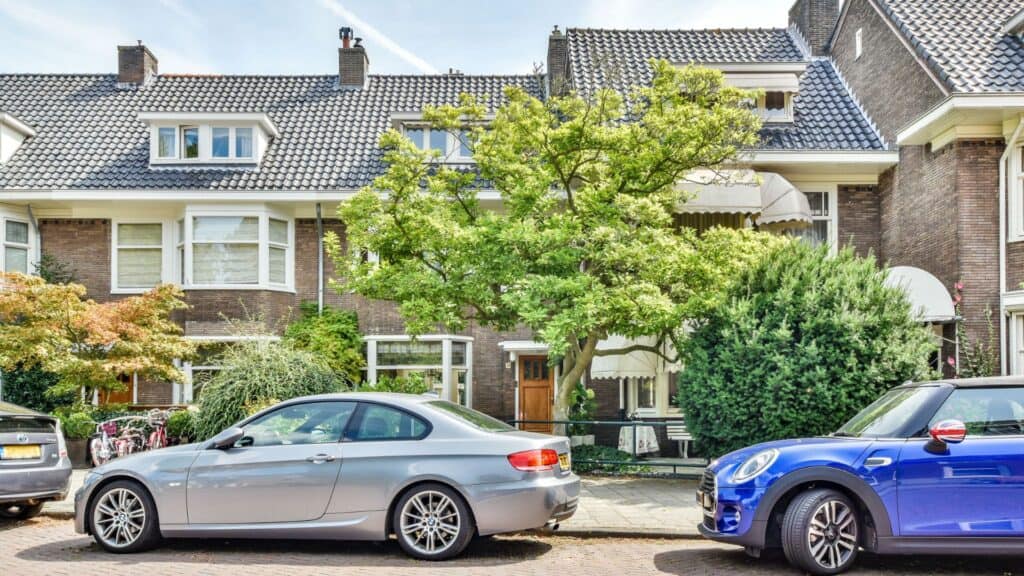
In the original post, a man explains that he rents a twin house on a crowded city street, where parking is already tight. A key selling point of the home was its attached garage, something he relies on regularly since his work and family are outside the city. Not long after moving in, a neighbor began parking her car directly in front of the shared driveway curb cut, partially blocking access to his garage.
Technically, it’s a no-parking zone, but the OP agreed to her workaround. She gave him her number and told him to call anytime he needed to get in or out, promising to move the car. He says it was manageable at first, but over time, the reality set in. Despite claiming she struggles to find parking, OP noticed she parks there even when street spots are clearly available.
To make matters more frustrating, he later bought the same model car she drives, only to discover it does not fit in the garage she claimed was too small. Now, after a brief period of peace while the neighbor was away, she’s back, and once again blocking his access. OP feels like he never truly agreed to this long-term arrangement and is questioning whether it’s time to put his foot down.
Reactions
One of the most common responses was, “Tell her that her time blocking your access is now at an end and that if she blocks you in again, you will have her car towed.” Many readers pointed out that boundaries were never clearly established, and without consequences, the neighbor has no reason to change her behavior.
Another popular take emphasized documentation and escalation, “Take pictures of how the car is blocking your garage and have it towed… keep pictures and videos in case she tries to take you to court.” This adds a practical layer so that if things escalate, OP should be prepared.

Some commenters focused on where things went wrong: “The initial mistake was saying yes… You gave her the assumption that you’ll put up with it.” By agreeing early on, even informally, OP unintentionally set a precedent. Now, undoing that arrangement requires a firm but reasonable reset.
Others suggested a more measured approach before going nuclear: “Just talk again… be calm, it’s reasonable.” Not everyone thinks towing should be the first move. But there are some people out there who don’t give any warnings of a tow when it comes to parking spots; they go straight to turning a parking dispute into a wake‑up call about boundaries.
When being nice backfires
This is actually a common social trap of trying to be accommodating at the expense of your own convenience. In theory, the neighbor’s request didn’t seem unreasonable. But now the burden is entirely on OP. Instead of having full access to something he pays for, he has to ask permission every single time he wants to come and go. Situations like this aren’t uncommon, especially when neighbours clash over parking and who really has the right to a space.
That’s a power imbalance, not really a compromise. Healthy neighbor relationships should be built on mutual respect. If one person’s “solution” creates ongoing inconvenience for someone else, it’s not sustainable. One-sided convenience won’t work for long. And the more it continues, the harder it becomes to address without conflict. There’s also the legal side. Blocking a driveway is typically a violation or offense. Most people would prefer not to involve authorities or towing companies, but those systems exist for situations exactly like this.
Takeaway
In this situation, I don’t think the OP was overreacting. Having to call someone every time you want to leave your own home is inconvenient and undermines your independence. While the neighbor may not see herself as doing anything wrong, her actions clearly prioritize her convenience over OP’s basic access. The longer this continues, the more normalized it becomes, making it harder to put your foot down.
That’s why so many commenters are urging decisive action, whether through a direct conversation or stronger enforcement like towing. Still, there’s value in attempting one final, clear conversation before escalating. Setting boundaries needs to be firm. Ultimately, OP is paying for a space he can’t freely use, and that alone justifies a change. It’s never unreasonable to stop accommodating what was never reasonable to begin with.