
Why Car Companies Are Turning to Skincare to Win Customers Over

In motorsport, every team strives to secure as many sponsors as possible. Major car manufacturers are teaming up with various brands to promote each other and share the substantial costs of racing. This is not new and has been well known for many years, but people still question why a car brand partners with a non-automotive brand when it happens.
For those not closely following luxury industry moves, it may seem surprising when a car brand partners with a skincare label. Like, Aston Martin’s new multi‑year collaboration with ELEMIS. Many people think it is just strange, but actually, it’s a strategic evolution of luxury identity.
Younger consumers care less about owning a car and more about the experiences that surround it, so automakers are looking beyond the driver’s seat for new ways to connect. Once‑unlikely pairings have become planned marketing touchpoints that help companies reach broader audiences and stay culturally relevant.
Building a Legacy Beyond the Track
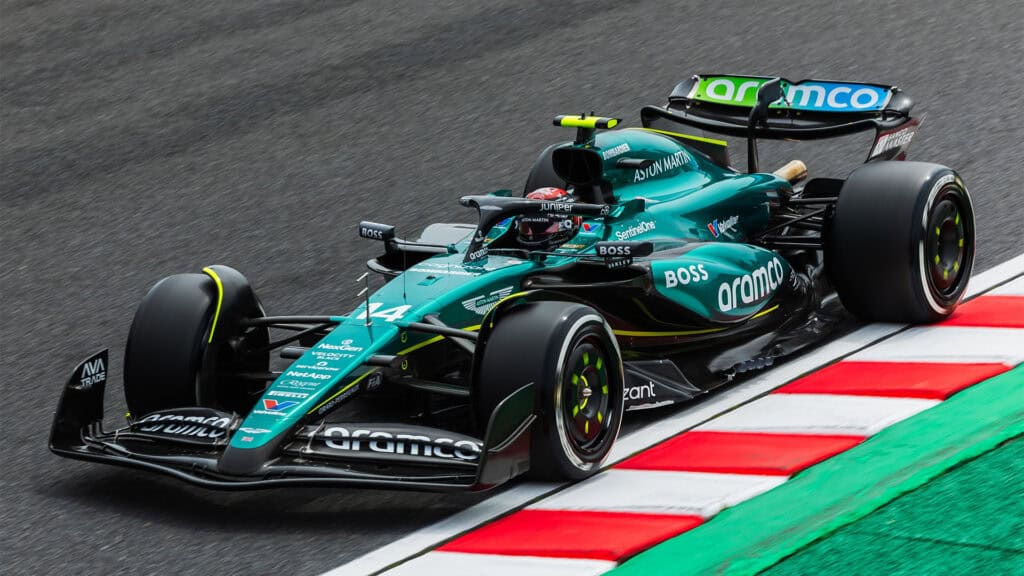
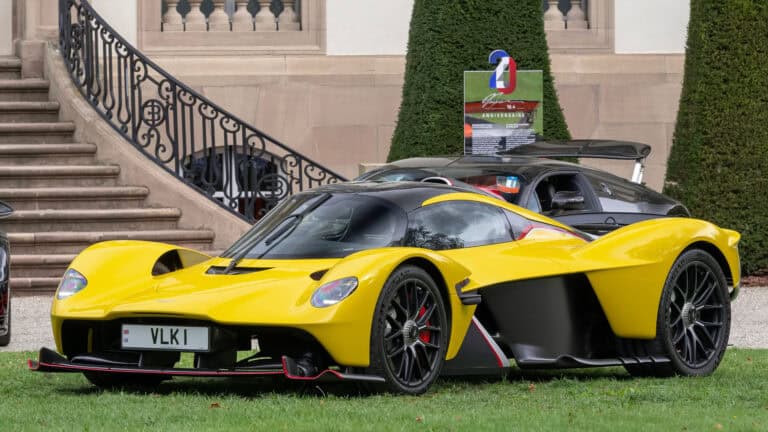
For Aston Martin, it is nothing new in this field. Its iconic connection with James Bond, which began with the DB5 in Goldfinger, has positioned the marque as a symbol of British elegance and excellence. And when ELEMIS, a global British skincare brand with over 30 years of experience, reached out to the carmaker, it was clear that both brands could greatly benefit from the collaboration. The partnership with ELEMIS continues the tradition by connecting performance with personal care.
Officially, ELEMIS is now the Official Skincare Partner of both Aston Martin and the Aston Martin Aramco F1 Team. At events like the British Grand Prix and Goodwood Festival of Speed, the brand offered exclusive spa “pit‑stop” treatments and bespoke skincare kits in premium lounges.
Why do car brands do this?
Luxury brands like Aston Martin and ELEMIS are tapping into a new truth: Not every customer can afford the car, but they can buy the bag, the watch, or the skincare routine embossed with the brand’s badge. This tactic isn’t new. Porsche, Ferrari, and many other brands have launched eyewear and luggage long ago, so fans can own a slice of the dream at a much more affordable price point. Also, with these kinds of partnerships, brands can reach new customers who otherwise would never engage with the brand.
Does it really make sense? Who would pay for this? In fact, many do. According to Vogue Business, 80% of Aston Martin Aramco F1’s revenue now comes from commercial partnerships, with deal revenue having grown twelvefold since 2021. And, if you add that F1’s female fanbase now stands at 41% it completely makes sense. And be honest, men use skincare too, even if many are shy to admit it.
BMW × Louis Vuitton

The BMW and Louis Vuitton collaboration stands out as one of the most refined and luxurious crossovers between the automotive and fashion worlds. In 2014, the two iconic brands came together to create a bespoke four-piece luggage set designed exclusively for the BMW i8, the brand’s futuristic plug-in hybrid sports car. The luggage set was tailored to fit perfectly into the car’s interior and each piece carried the classic Louis Vuitton Damier pattern. This collaboration was about extending the BMW driving experience into travel and lifestyle.
Porsche × Aimé Leon Dore
The collaboration between Porsche and Aimé Leon Dore is a perfect example of how luxury automotive brands are blending heritage with contemporary culture. The New York-based fashion label, known for its refined streetwear aesthetic, partnered with Porsche to restore a vintage 911 Carrera 4 and later a 993 Turbo, both reimagined with custom interiors and detailing that reflected Aimé Leon Dore’s signature style. These cars were storytelling pieces that connected Porsche’s timeless engineering with modern fashion sensibilities. Alongside the cars, the collaboration also included limited-edition apparel and accessories, positioning Porsche as not just a performance brand but a cultural one that resonates with a new generation of design-savvy, lifestyle-focused consumers.
Fiat × Lavazza
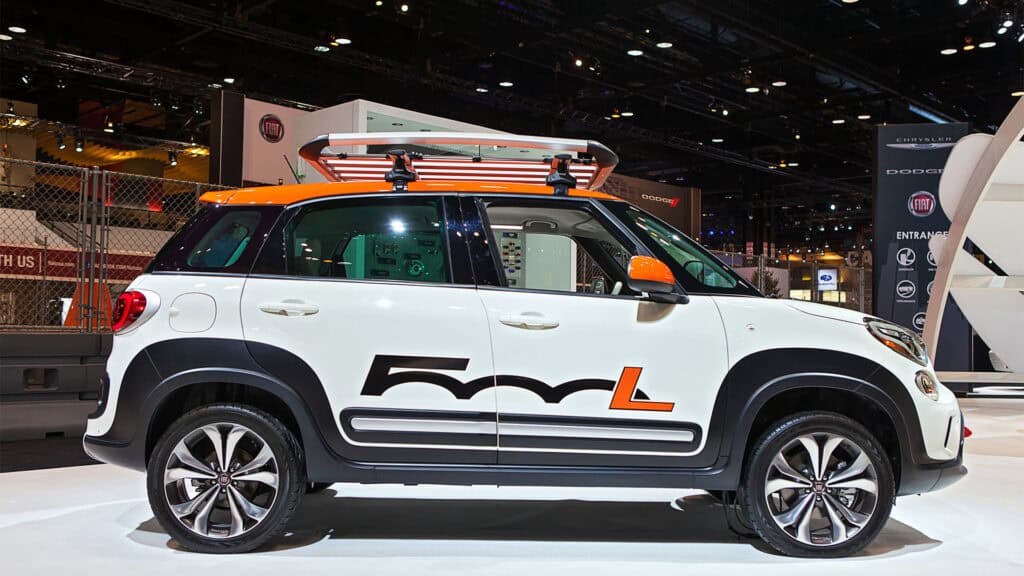
Introduced in the Fiat 500L, this partnership brought something truly unexpected to the car’s interior. A built-in espresso machine developed by Lavazza, one of Italy’s most iconic coffee brands. Designed to fit into the center console, the Lavazza “A Modo Mio” system enabled drivers to brew a fresh shot of espresso directly from the dashboard, using specially designed coffee pods. This quirky feature turned a daily commute into a café-like experience. This reinforced Fiat’s brand identity as fun, accessible, and unmistakably Italian.
What we’re witnessing with brand collaborations like Aston Martin and ELEMIS is part of a larger shift in how prestige is marketed and experienced. For younger generations, traditional car ownership is less appealing, and automakers are finding innovative ways to stay connected. Collaborations that once seemed unusual are now strategic touchpoints for brands. With these types of actions, they extend their reach, build loyalty, and reach new audiences. As this trend continues, we can expect to see even more creative crossovers that redefine what it means to be a luxury car brand in the modern age.