
Tesla is killing the Model S and Model X to build Optimus robots — and people have thoughts
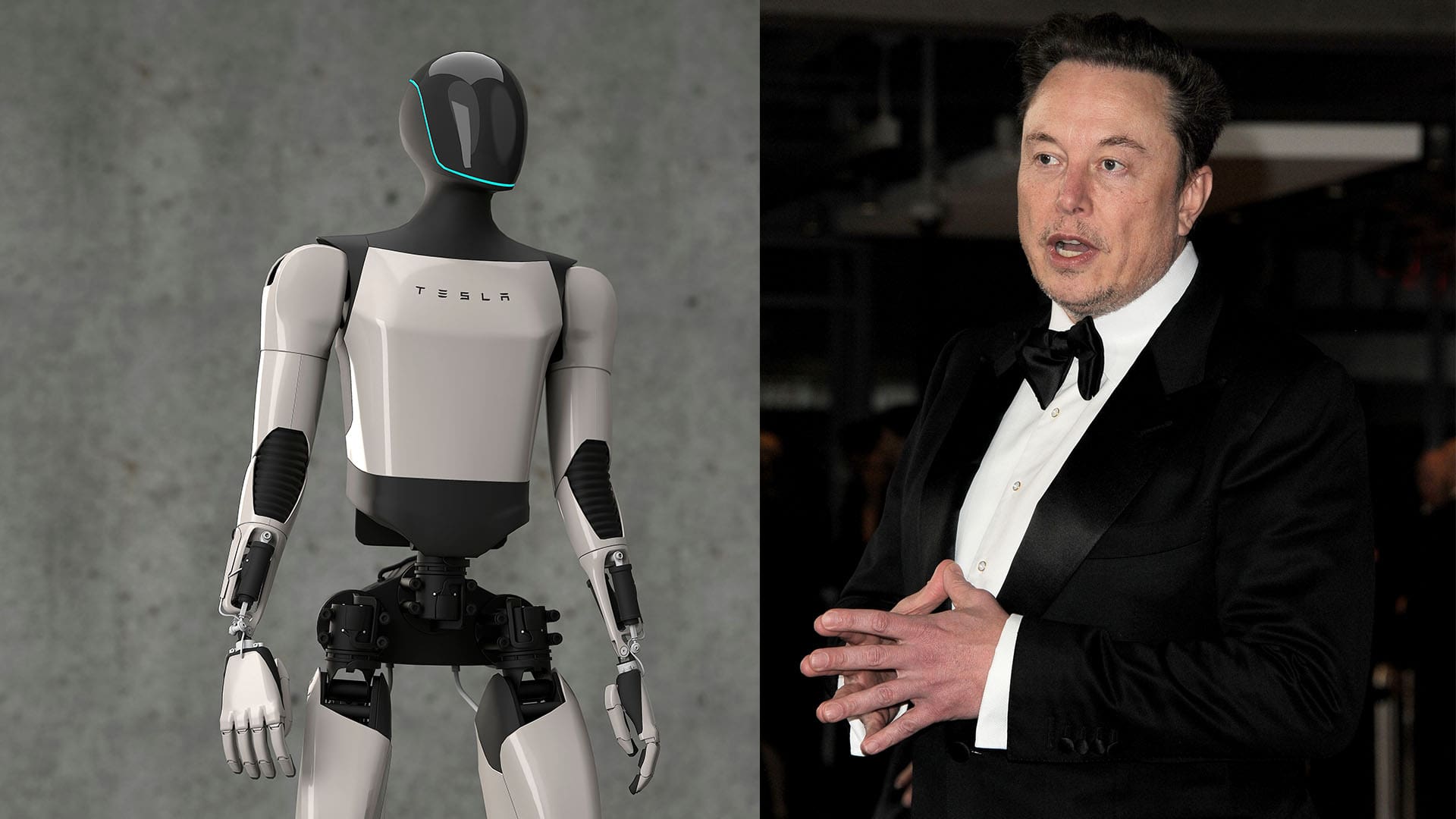
Tesla may be stepping back from its luxury cars, but it is charging full speed ahead into robots, and the internet is not staying quiet about it.
Tesla is shifting its focus away from producing Model S and Model X toward a new priority: building Optimus humanoid robots. The move has sparked debate online, with critics and industry experts weighing in on whether this signals smart innovation or a risky departure from Tesla’s core identity. As the company focuses on robotics and artificial intelligence, many are wondering what this means for the future of Tesla’s electric vehicle lineup and for the drivers who still love its earliest flagship models.
Background
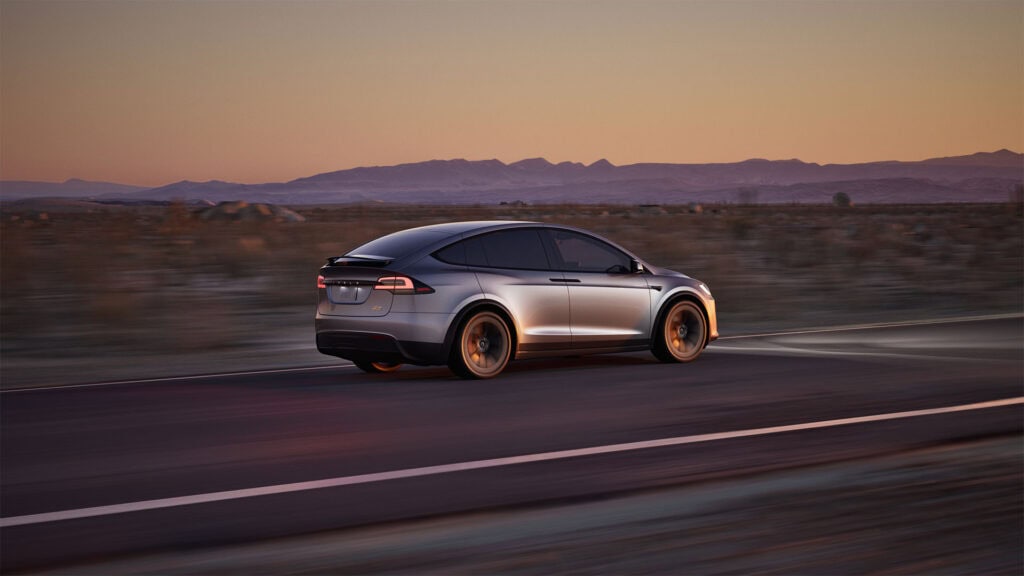
Tesla’s Model S debuted in 2012 as the company’s first electric sedan. The Model X, launched in 2015, expanded Tesla into the luxury SUV market. Sales remained lower than Tesla’s mass-market vehicles, making it less central to the company’s long-term growth strategy. In 2021, Tesla introduced the Optimus humanoid robot, marking a milestone in the company’s life and pushing beyond cars into robotics and artificial intelligence.
What happened
The decision to discontinue production of the Model S and Model X stems from these models not selling as well as other Tesla models and from the company’s shift toward humanoid robots. Tesla believes robots are the future.
Over the years, Elon Musk has given many personal thoughts about robots being the way of the future. In a recent interview at the World Economic Forum, Musk stated, “There will be more robots than people.”
In a Tesla Q4 financial call, he said, “It is slightly sad, but it’s time to bring the SX programs to an end, and shift to an autonomous future.”
Reactions
The public has had strong reactions to this announcement, with many questioning the logistics and the actual possibilities. In a Reddit thread, over six hundred people chimed in with their thoughts.
One person said, “Basically, it is Tesla exiting the luxury market completely.” Another person wrote, “Musk claiming this is to manufacture robots is pure comedy. This guy will say ANYTHING to bolster their stock price.”
Some people have genuine questions, “Nothing works yet. Not the robots, not the robotaxis, not the self-driving cars. How is this supposed to work at all? How could anyone invest in this?” One person commented, “Tesla completely exiting the SUV game is an unexpected twist.”
Others had real questions, like “Who is buying the robots, exactly?”
While the general public has questions, those in the AI space are excited about the future of robots and AI. Jensen Huang said, “I’m super excited about the robots Elon’s working on. It’s still a few years away.”
Why this matters
Tesla’s decision to drop the Model S and Model X signals a shift in the company’s view of its future. Tesla is repositioning itself around artificial intelligence and robotics, with Optimus framed as a potential next flagship business. This marks a major evolution from a carmaker to a broader tech and automation company.
This pivot also raises questions about Tesla’s identity. The Model S helped define Tesla as a performance-focused EV brand, while the Model X anchored its presence in the luxury SUV segment. Phasing them out could dilute the company’s image and reinforce that Tesla is moving away from vehicles toward experimental tech.
For current owners, the move tests trust. Buyers expect long-term support and resale stability, and ending production can bring concerns about depreciation and whether Tesla will continue investing in older platforms once attention shifts to robots and AI-driven products.
From an investor and Tesla’s standpoint, this is a high-risk, high-reward bet. If Tesla succeeds in scaling Optimus, it could unlock an entirely new revenue stream with far larger upside than car sales. If it fails, the company risks weakening its auto business while betting on unproven technology.
But at the same time, Tesla may see competitors catching up and realize they can’t further innovate their current vehicle models. By moving into a completely new industry that is new for everyone, they can cement their position as the market leader in robotics, just as they did with electric vehicles a decade ago.
The strong online reaction reflects that tension. Fans and customers alike are questioning whether Tesla can execute such an ambitious pivot without losing focus or customer loyalty. The backlash is not just emotional. It highlights a real concern that Tesla is abandoning a proven business in favor of an uncertain future.