

Man makes anxious wife sit in the backseat after years of distracting him while driving — she’s furious
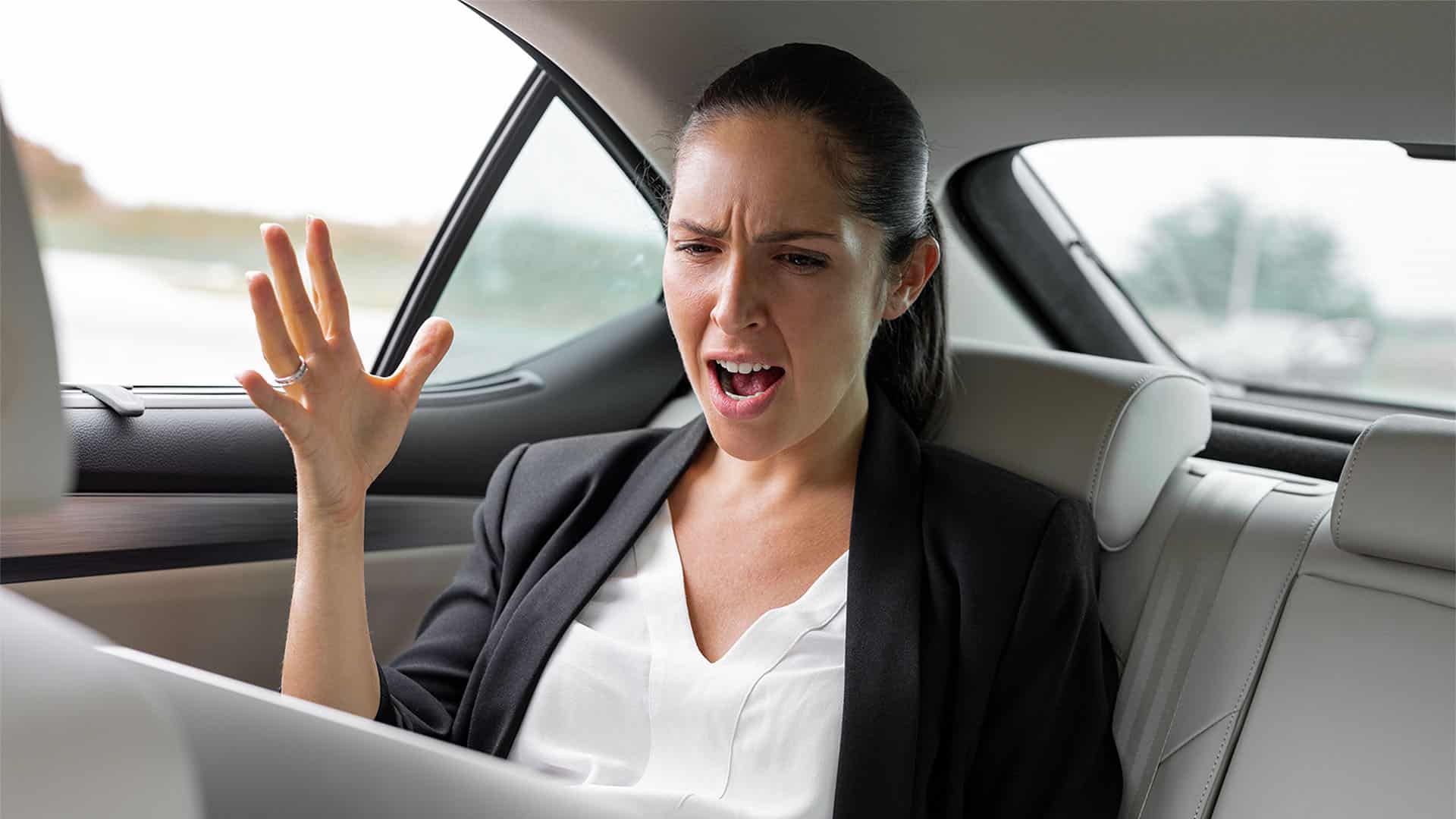
After years of tense road trips, one husband tried a controversial fix for his wife’s anxious backseat driving, and Reddit can’t decide if it crossed a line.
Anyone who has ever driven with a nervous passenger knows the feeling of the sudden gasp, arm grab, the phantom brake stomp, or the dramatic reach for the dashboard when traffic slows a little too quickly. For some drivers, it’s a minor annoyance, but for others, it’s a genuine distraction. One man decided he’d had enough of those moments on a long trip with his wife, but it didn’t exactly go as planned. Now he’s asking Reddit for advice on what to do next.

The story
In a post on Reddit, the husband explained that he and his wife recently took a trip to visit her family. Because his wife gets nervous in traffic, he is the one who always drives. On the way to the visit, his wife repeatedly panicked over routine changes in traffic flow. He told her several times that her reactions were distracting, but she blamed his driving instead.
On the way back home, told his wife she could either drive the family back herself or move to the back seat. She argued that sitting in the back would make her motion sickness worse, but she also refused to drive. Eventually, she moved to the back with their younger child.
He said the ride home was noticeably calmer and his wife stayed quiet for most of the trip, though she later told him she had felt sick the entire time and didn’t want to “make a big deal out of it.” After they got home, she told him he had humiliated her by making her sit in the backseat and accused him of being insensitive to her anxiety. Did he cross a line?
Reactions
One popular comment wrote, “Your feelings matter, but you proved on the way home that you can control your actions, which is what I’m asking you to do. My request is not about feelings but actions which make us unsafe.” Many readers agreed with that perspective, arguing that anxiety itself isn’t the issue, but distracting the driver can be.
Others chimed in with personal stories of dealing with anxieties as passengers. “Trying to stomp on an invisible brake, panic grabbing the safety handle… I’ve had those reactions too. But you should never put your anxiety on the driver. That will only make their driving worse.” Several commenters said they’d learned coping strategies like focusing on breathing or distracting themselves with music or conversation.
But not everyone was convinced the husband’s solution proved anything about his wife’s behavior. “Most people can handle getting carsick without actually vomiting… If you think sitting quietly means she wasn’t sick, you clearly don’t know what real motion sickness can be like.” Which is true, because some people stay silent during a trip while still feeling miserable the entire time.
Another group of commenters focused on the safety angle. “Her reactions can very easily cause the accidents she’s so scared about… this is literally about keeping yourselves and your kids alive and well.” They agreed it was reasonable, given he was worried about minimizing distractions while driving.
When passenger anxiety becomes a safety issue
Driving requires constant attention to speed, distance, road conditions, and other vehicles. Sudden shouting, gasping, or grabbing the dashboard can trigger instinctive reactions in the driver, which can be dangerous. But passenger anxiety isn’t something people can always switch off instantly, and many people develop stress responses to traffic after accidents or experiences on the road.
That’s why many anxiety-management strategies focus on giving the nervous passenger something else to focus on. Some people close their eyes or look at their phones to avoid monitoring the road. Others prefer to sit in the backseat so they can’t see the traffic patterns that trigger reactions. In that sense, the husband’s solution mirrors a strategy anxious passengers already use. But communication matters. A sudden “you’re sitting in the back now” can feel dismissive if it isn’t framed as a safety conversation.

Takeaway
From the driver’s perspective, constant panic reactions can feel overwhelming and dangerous, especially in winter driving conditions, as the OP mentioned, though there are ways to do it safely. From the anxious passenger’s perspective, those reactions may feel involuntary and rooted in genuine fear. The reality is that neither concern is inherently wrong. Open conversations about safety, stress, and coping strategies can go a long way toward preventing situations like this from escalating. That might mean setting clear boundaries in and about the car or finding ways to manage anxiety more effectively before the next road trip. The key is knowing the situational difference between the two.