
Husband upset after wife refuses to let him drive because he was awake for 24 hours — and the internet is divided
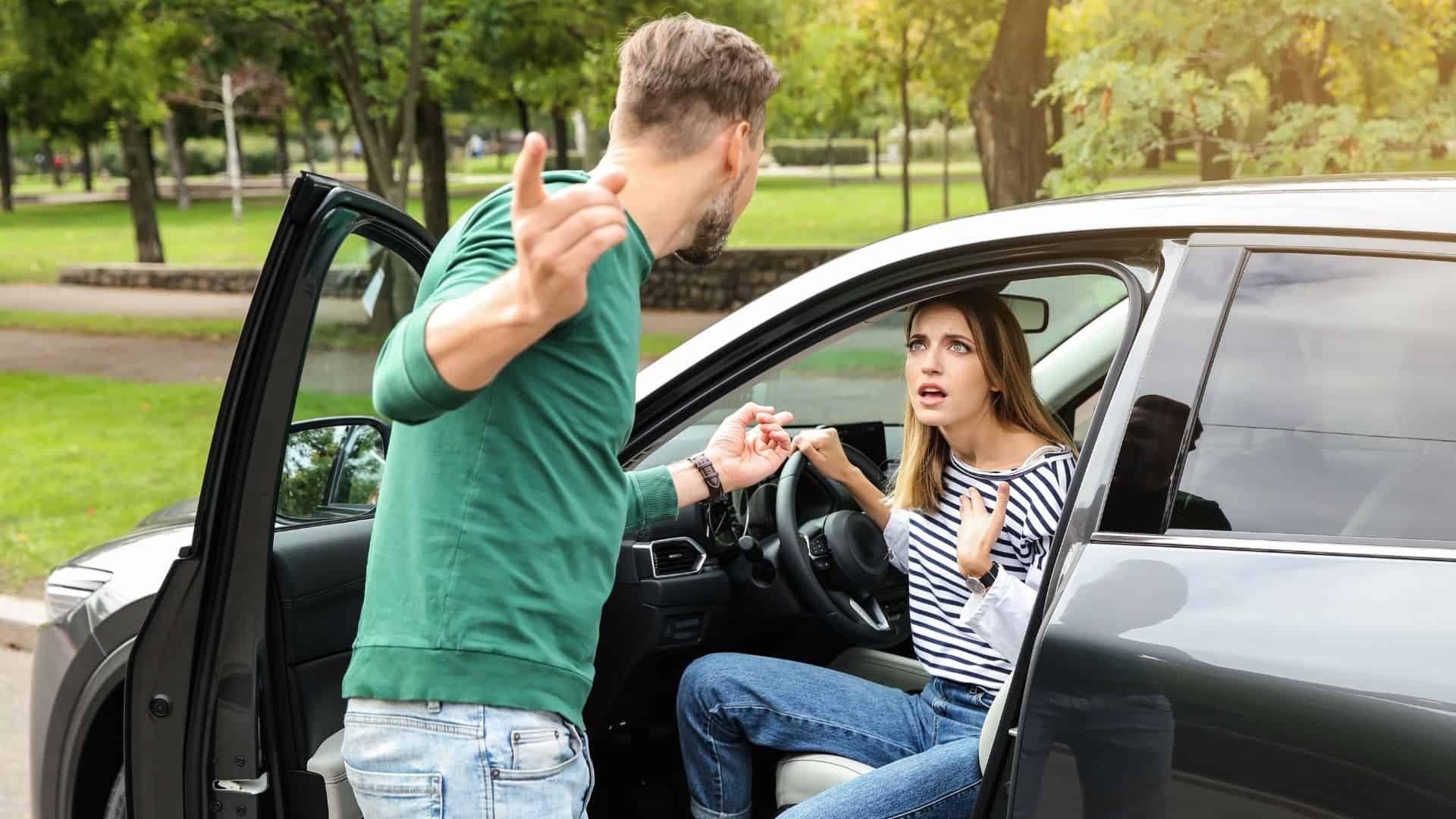
A husband’s request to drive after being awake all night became a talking point online.
Arguments about driving are common in relationships, but they can quickly escalate when safety is at stake. A recent online thread sparked a debate about whether a wife was right to stop her husband from driving after he had been awake for more than a full day. Many people sided with her, saying she made the responsible choice.
The story soon became about more than just fatigue; it opened a broader conversation about control, trust, and how couples handle decisions behind the wheel.
The story
A 27-year-old woman shared on Reddit that her husband, 28, had been awake for over 24 hours, finishing a school project. She picked him up after her workout, and he asked to drive right away. She said no, explaining that she was already in the driver’s seat and didn’t think it was safe.
Later, as they left the grocery store, he asked again, but she refused, this time emphasizing that he was sleep-deprived and she didn’t trust his alertness. The husband became angry, saying she had no right to “not let him” do anything and that she was being controlling. She argued that her concern was solely about safety, since she was also a passenger and would be affected if something happened.
The argument continued all the way home. The husband said she should have asked whether he felt well enough to drive rather than deciding for him. She felt that wasn’t realistic because, in her words, “Of course he would have said yes.” Unsure whether she was being unfair, she turned to Reddit for feedback.
The reactions
Many readers agreed with her decision, saying safety should always come first. One commenter said, “As you said, you were concerned for both your well-being. And it’s better to be safe than sorry. Maybe he will feel different after he sleeps. In case he hasn’t already.”
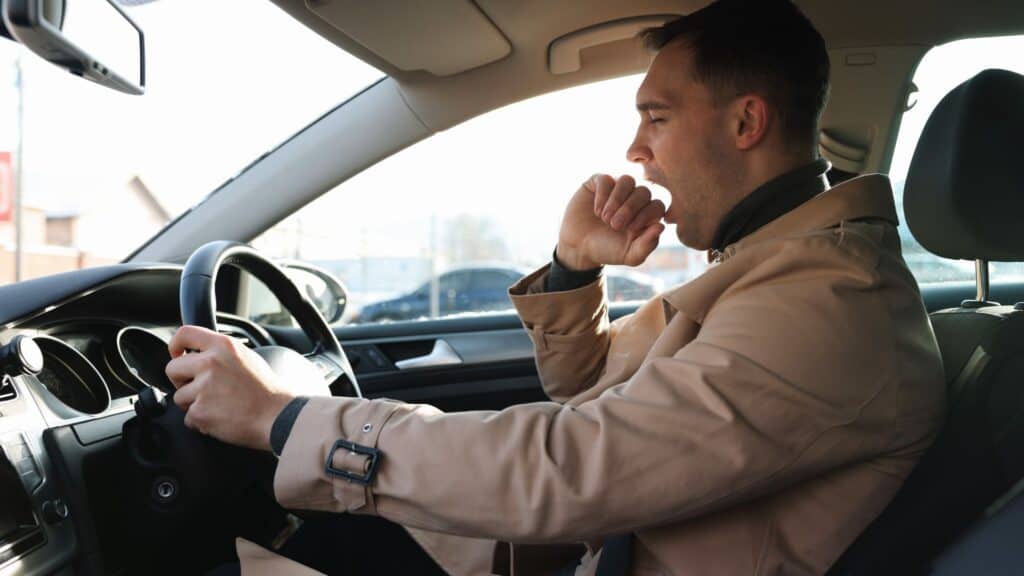
Driving while exhausted is widely recognized as unsafe, and a short argument is preferable to the risk of an accident. Even one sleepless night can drastically slow reaction time, something most people underestimate.
Another person shared, “So he thinks he should be able to tell YOU not to drive, purely because he wants to, but has a cry because you have a valid safety reason as to why it’s better you drive. He sounds controlling and selfish. Why does he think his preference to drive is more important than your preference to drive?”
Many agreed that the husband acted irresponsibly by arguing over the safety. Instead of getting angry over what his wife said, he should have just accepted it by saying he’d rather sit in the passenger seat and let his wife drive. Others expanded on that point, saying, “You have a bigger problem here: you don’t trust him to make a decision that is best for both your safety and what he wants to do because he likes to drive and/or be in control.”
Several users said fatigue can impair judgment just like alcohol. One wrote, “It’s far easier to fall asleep at the wheel than people think, and you often don’t realize until it’s too late. Sleep deprivation can affect your brain as much or sometimes more than alcohol does. You were in a better position to drive in this circumstance.”

Another person emphasized this point, “There’s a lot of research out there saying that being sleep deprived is equivalent to being DUI. And you’re absolutely right that it’s your safety, not just his.” Another added, “Driving while sleep-deprived is just as dangerous as driving while drunk.”
Not everyone saw the situation as purely black and white. A few suggested that the argument could reflect broader issues in the relationship. One person commented, “You have a serious talk ahead about responsibilities, relationship dynamics, and equality. And it’s serious! Whether or not this relationship can evolve into a future-proof and sustainable relationship depends on it.”
Conflicts like these often highlight communication problems, especially when one person feels dismissed or unheard. Couples should learn to respect each other’s judgment, even when tired or frustrated. Even if they disagree, it should be handled calmly.

Another user suggested that fatigue due to lack of sleep might have driven the husband’s reaction: “Maybe he was cranky because he was sleep deprived. And maybe he doesn’t generally trust your driving? Possibly something to discuss when everyone is in a calmer and better-rested state. I always drive when my wife and family are together because my wife and I both know I’m a better driver. That said, I’m happy to surrender the keys if I’m exhausted or have had a few drinks, etc.”
Being awake for too long can make people short-tempered and stubborn about small things. The husband might not have realized how tired he was, and it’s common for people to insist they’re fine when they’re clearly running on fumes. Once he rested, he probably understood why his wife didn’t want to risk it.
How to prevent drowsy driving
Driving when you’re tired can be as risky as driving under the influence. Fatigue slows your reaction time, and makes it harder to stay focused on the road. According to the National Highway Traffic Safety Administration NHTSA estimates that in 91,000 police-reported crashes involved drowsy drivers. These crashes led to an estimated 50,000 people injured and nearly 800 deaths. They occur most frequently between midnight and 6 a.m., or in the late afternoon. At both times of the day, people experience dips in their circadian rhythm, the human body’s internal clock that regulates sleep.

Getting enough rest before driving is the most effective way to stay alert, but there are a few simple habits that can also make a big difference:
- Sleep enough before long drives. Adults should get at least seven hours of sleep per night. Skipping rest can seriously affect attention and coordination while driving.
- Avoid alcohol or drowsy medications. Even small amounts of alcohol or certain prescriptions can make you sleepy. Always check warning labels on your medication before taking it, prior to driving.
- Plan breaks for long trips. Stop every couple of hours to stretch, walk, or grab water. Movement helps your body stay awake longer.
- Don’t fight sleepiness. If your eyes start to close or you find yourself drifting, pull over safely. Drink some coffee and take a 20-minute nap before continuing.
- Avoid driving during your usual sleep hours. Midnight to 6 a.m. and late afternoons are when your body naturally slows down. If possible, switch drivers or rest during those hours.
- Share driving duties. On long trips, rotate drivers to reduce fatigue. It keeps everyone more alert and less stressed.
Driving while exhausted is completely preventable. Taking time to rest, even for a short while, is always safer than pushing through and risking an accident.
The takeaway
Driving while tired puts everyone at risk, not just the person behind the wheel. Even if you think you’re fine, lack of sleep affects how quickly you react and make decisions, including whether you feel fit enough to drive. Many people don’t realize how tired they are until something goes wrong.
It’s better to stop and rest than to keep driving and risk an accident. A short delay or disagreement is easier to handle than the damage a single mistake can cause on the road.