
Think you’re ready for winter driving? Here’s the guide that could save you trouble
Most drivers think they’re prepared for winter roads until the first slide proves otherwise. Here’s what experts say you should really focus on.
Winter brings a range of challenges for drivers, from darker days and reduced visibility to roads covered in rain, snow, and ice. Even experienced drivers can find themselves in situations where precise vehicle handling becomes critical. A well-equipped car is essential, but equipment alone is not enough; drivers must understand how their vehicles behave in slippery road conditions and how to respond when grip is reduced. This guide draws on federal safety data and expert guidance to outline the key skills and preparations needed to navigate winter conditions with greater control and confidence.
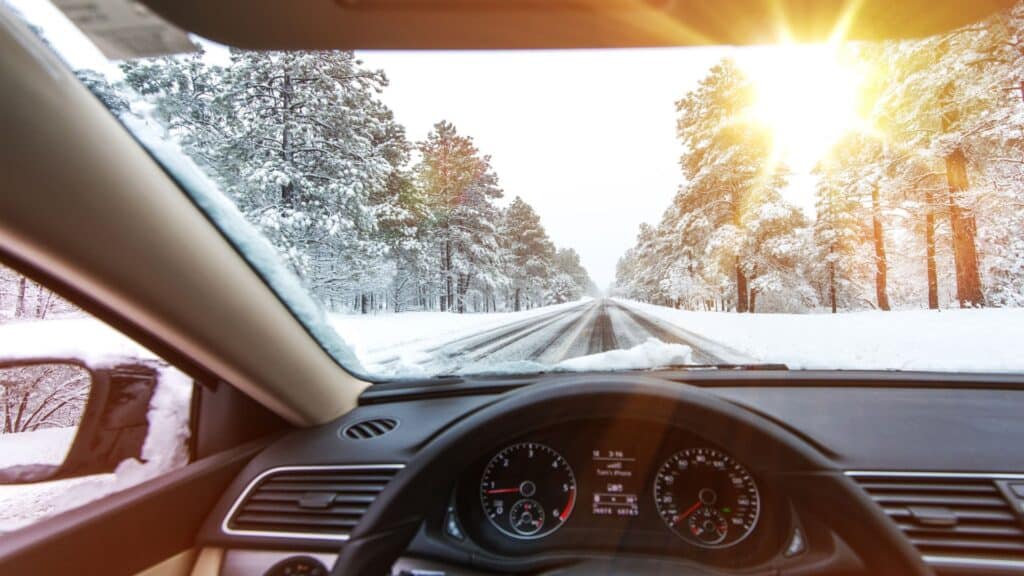
How to prepare the vehicle for winter
Before setting out on snowy or icy roads, preparing the vehicle is a key step in winter driving safety. According to the National Highway Traffic Safety Administration (NHTSA), winter conditions cause thousands of crashes annually, and drivers should take specific actions to prepare their vehicles for winter weather.
Preparing a vehicle for winter conditions requires attention to several components. These include checking tire inflation and tread depth, as cold temperatures can reduce tire pressure and traction. Tires should be inspected for damage, proper inflation, and sufficient tread depth, and drivers considering frequent winter travel may evaluate snow or winter tires.
In addition to tires, all exterior and interior lights, including headlights, brake lights, turn signals, and emergency flashers, should be inspected to ensure full operation in low-visibility conditions.
Before the snow arrives, you should also check that windshield wipers and defrosters function properly and fill the reservoir with a winter-grade washer fluid that contains a de-icer. Worn wiper blades should be replaced.
The cooling system is another critical component; coolant levels must meet manufacturer specifications. A routine visit to a mechanic can help identify worn hoses, failing components, or other issues that may require attention before winter driving begins.
What to pack before going on the road in winter
Before setting out in winter weather, it is worth ensuring the vehicle is adequately stocked and prepared for potential delays or emergencies. Basic equipment such as a snow shovel, brush, ice scraper, abrasive material for traction, jumper cables, a flashlight, warning devices, a first-aid kit, blankets, food, water, and essential medications should be kept in the vehicle.
Maintaining adequate fuel is also essential; gas-powered vehicles should be kept near full, while electric and hybrid-electric models should be fully charged and kept warm to reduce battery drain in low temperatures. Plugging in an EV overnight helps maintain the battery within its optimal operating range during freezing conditions. Consider monitoring weather and traffic reports, and postponing nonessential travel when roads are unsafe, and planning routes in advance.
How to drive safely in winter conditions
DrivingLine shares some techniques for maintaining control on snow- and ice-covered roads. They highlight the importance of proper winter tires and offer practical tips on braking and accelerating. A message is the importance of smooth, measured inputs. But driving in slippery conditions is not just about tires and some basic techniques. Here are some further tips for driving in winter.
Planning
Planning is one of the most essential parts of winter driving. You should not only map your route but also assess conditions on your own street or in the neighborhood. If snow or ice is present, adjust your plans accordingly, as some municipalities may go days or even weeks without clearing local streets. Checking traffic reports and weather updates in advance helps ensure that you are prepared for the conditions you will encounter.
Driving
A smooth acceleration is critical on snow and ice. Spinning wheels can polish the surface beneath the tires and create even more ice, further reducing grip. This is especially important when starting from a stop. The key is gentle, controlled acceleration that helps the vehicle gain traction.
It is advisable to use headlights. If available, you can use the automatic function to ensure visibility as conditions darken. Another key point is to avoid cruise control on wet or slippery roads. Because cruise control is designed to maintain a set speed, it may increase power when wheels begin to slip, potentially creating a hazardous situation.

Braking
Maintaining ample space in front of the vehicle is essential in winter conditions. Extra distance provides a buffer if you lose traction and need a longer stopping distance than usual. It is advisable to monitor the mirrors, particularly at red lights or during sudden slowdowns. If a vehicle behind appears to be struggling to stop, easing forward can create additional room and reduce the risk of a rear-end collision.
Braking should be gentle and deliberate, avoiding sudden pressure on the pedal that can trigger a skid. On icy surfaces, it may be safer to slow almost to a stop before turning, as braking during a turn increases the risk of an unexpected loss of control.
Skid recovery
If the vehicle begins to slide or spin, the best approach is to steer where you want to go rather than more aggressively correcting beyond what’s necessary. This involves gently guiding the wheels back toward the intended direction of travel while avoiding rapid counter-steering, which can cause oscillation or worsen instability.
Awareness
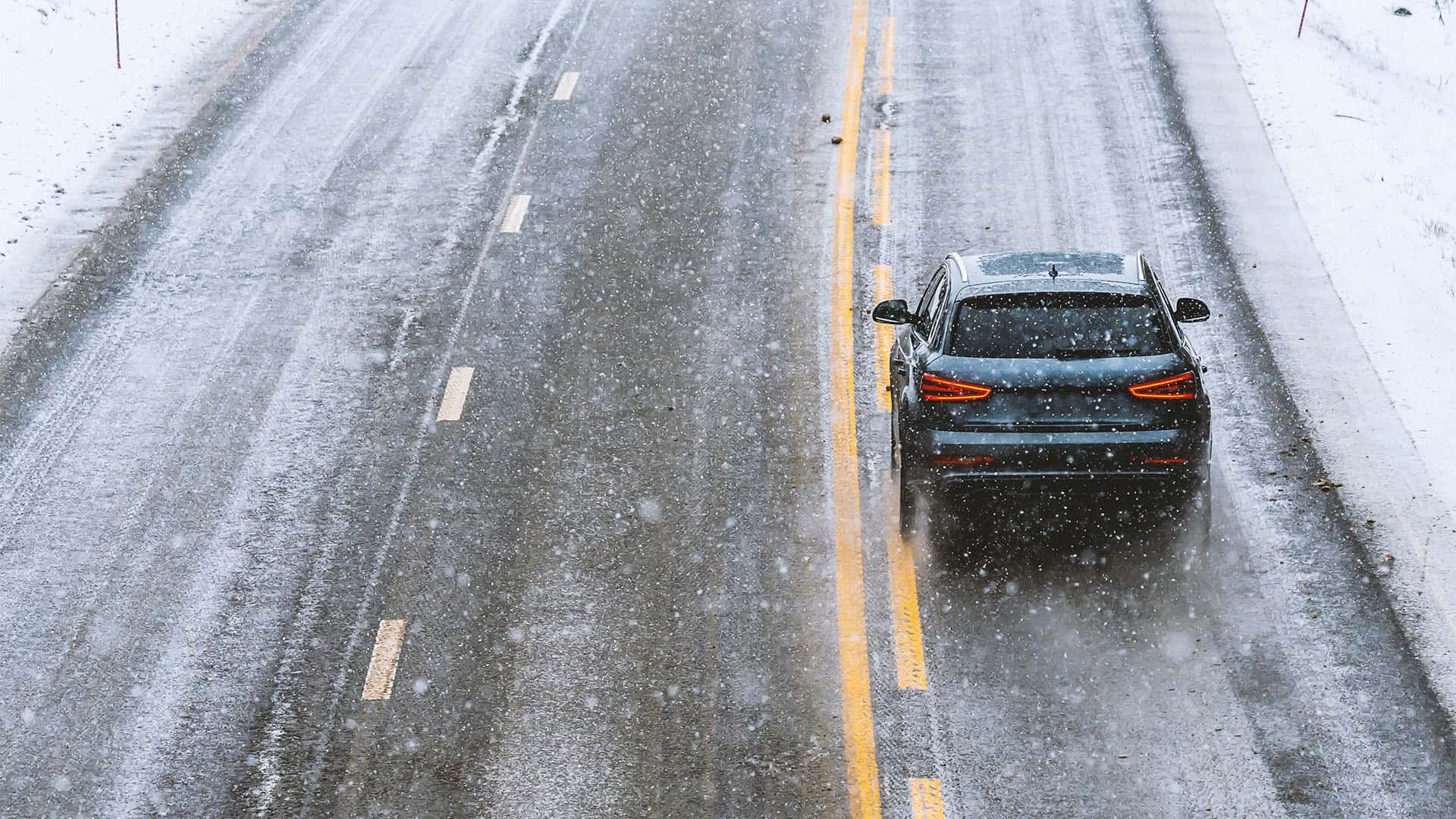
Stay alert to surrounding vehicles and continually assess the road surface ahead. Intersections, curves, and other high-traffic areas often develop compacted snow that quickly turns into ice. It can create some of the most hazardous spots on the roadway.
If the road ahead is shiny and reflective, it means it is icy, and it is best to avoid these areas. Driving slightly to the side of polished tracks—even into fresh snow—offers better traction. Observing where other drivers encounter difficulties can also provide helpful information, and you can anticipate problems and avoid repeating the same mistakes.
What to do in an emergency during winter
If you become stopped or stranded in wintry weather, keep your attention on your own safety, your passengers, your vehicle, and your surroundings.
- Stay with your car and avoid exhausting yourself.
- Make your vehicle visible by placing bright markers on the antenna or windows and keeping the interior dome light on.
- Watch for carbon monoxide buildup. Ensure the exhaust pipe is free of snow and run the engine only intermittently — just long enough to maintain warmth. Never let the car run for extended periods with the windows closed or while in an enclosed area.

Handling snow and ice behind the wheel requires careful planning, vehicle preparation, and driving technique adjustments. Combining vehicle checks (such as tire and battery readiness) with smooth control inputs and practiced skid recovery skills can significantly enhance safety on winter roads. By driving with increased awareness, adopting slower speeds, and using the techniques shown by experienced instructors, drivers can better manage winter conditions and reduce the risks associated with snow and ice.