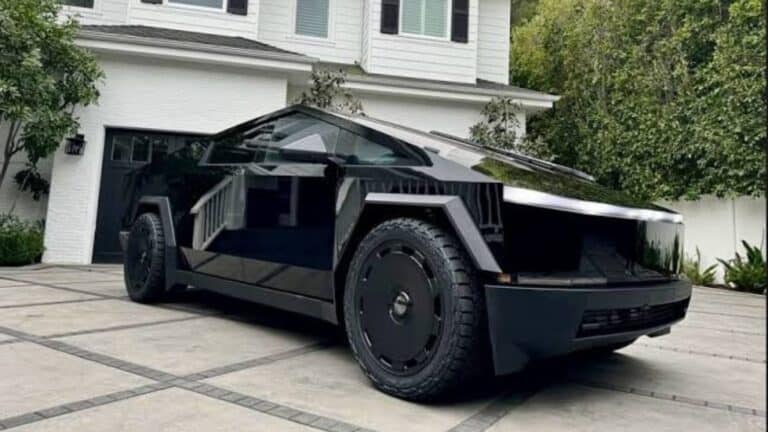

Why ‘cheap’ cars aren’t cheap anymore — here’s the harsh reality behind the prices

If you feel that affording a new car is becoming an impossible dream, you are certainly not alone in this struggle.
For decades, the American Dream has been inextricably linked to the open road and the freedom of the first set of keys. It was a simple promise: if you worked hard, you could afford a reliable vehicle to get you to that job and back. But lately, that promise feels like it’s being towed away.
With the average price of a new car now aggressively scaling toward $50,000 and interest rates on auto loans stubbornly refusing to budge, the “affordable car” has migrated from the dealership lot to the realm of fiction. For many Americans, the wait for a price correction has turned into a permanent state of sticker shock.
But instead of chasing a ghost or waiting for a market crash that never arrives, it is time to face a harder truth. The cheap, reliable, entry-level vehicle isn’t just “out of stock”—it is becoming a relic of a bygone era. To understand why this dream remains out of reach for the many, we have to look at the forces ensuring that a truly affordable car won’t be returning to the road anytime soon, and perhaps, never again.
Tariffs

If you have not heard about tariffs in 2025, you probably live under a rock. The U.S. imposed a 25% tariff on imported vehicles and auto parts. The auto industry is heavily influenced by global trade, and many critical parts, raw materials, and even finished cars are imported. With recent tariffs, manufacturing costs are expected to rise, and this increase is already reflected in new-car prices, with prices.
According to a study by the Center for Automotive Research, these auto tariffs are projected to cost U.S. automakers about $108 billion a year. And even though car prices were down 2% in January compared to last year, there’s no way carmakers will swallow increasing costs without raising prices. It’s clear that we are already one step away from a cheap car.
The complexity of modern car
Two decades ago, most drivers were satisfied with a car that offered air conditioning, solid handling, and decent power. Cars relied mostly on mechanical systems, and production was relatively simple and inexpensive.
Today, however, vehicles are smartphones on wheels. They come loaded with features like 360° cameras, lane-keeping assistance, infotainment screens, and advanced driver assistance systems. Many of which are required for safety or have become the minimum buyers expect.
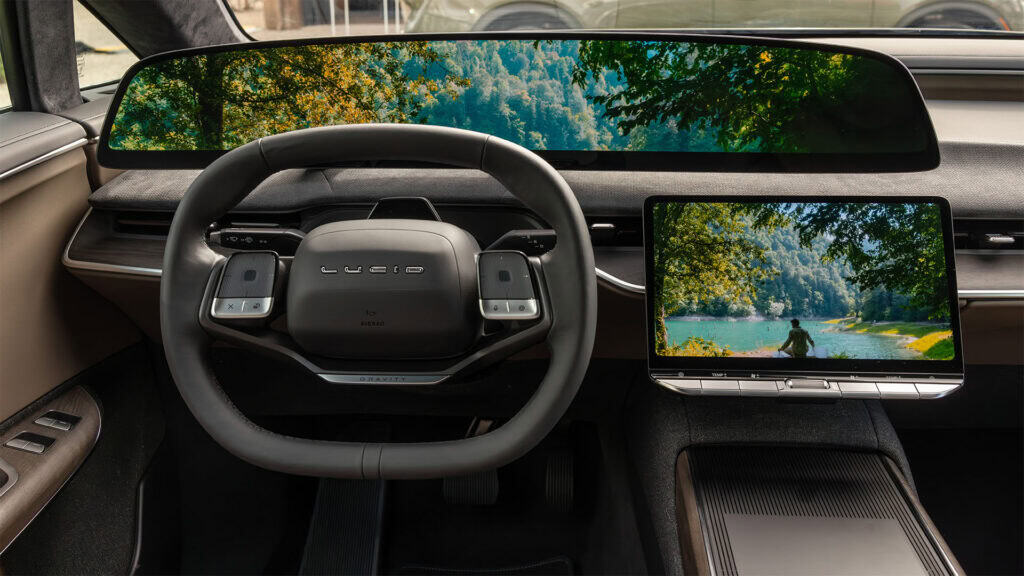
Each of these functions requires specialized sensors, chips, and software, making modern cars incredibly complex, and many of these functions are mandatory safety features. It is good for safety because even if you want a car with basic features, it still offers plenty of safety features, such as lane-keeping assist or automatic braking, but these come with a price. Overall, it means that even basic cars cost a significant amount of money.
The transition to electric vehicles adds yet another layer of expense: developing a new EV platform costs billions, with advanced batteries, powerful motors, and fast-charging technology driving prices higher. Unlike older gasoline cars, where engines and transmissions were already in production, today’s vehicles demand massive investments and cutting-edge tech. Producing a truly cheap, affordable model simply doesn’t fit into this reality.
Why small cars aren’t the answer
It might seem logical that building smaller, simpler cars could solve the problem. But in reality, automakers struggle to make them profitable. Take the Toyota Aygo in Europe: despite being small, these cars still require the same safety features, compliance costs, and development budgets as larger SUVs, meaning carmakers can only sell them at very slim margins.
The maths is easy. Selling a million compact cars brings in far less profit than selling a million SUVs. Even if the profit margin is similar in percentage terms, the actual cash profit is much lower, and cheap small cars are unattractive to most automakers and customers.
The psychology of car buyers
Beyond economics, what people want drives much of what the car industry does. Many consumers don’t aspire to own a bare-bones economy car. Instead, they want prestige, comfort, and luxury. The status symbols associated with brands like BMW, Mercedes, and Lexus. Even when budgets are tight, people often stretch to buy into brands that signal success, reliability, or style.
Owning a car is still a statement for many people, and what better way to show the neighbors how successful you are than showing up in a fancy new car? They will assume that you are doing well financially and won’t see the struggle to pay for this status every month.

Many people want more than just a car that “gets the job done.” They want one that reflects their identity, lifestyle, or status. Features like high-end interiors, advanced driver-assist systems, premium audio, lighting, and sleek design influence purchase decisions. Even extras like ambient lighting, brand perception, or infotainment screens become part of what people are paying for.
So when automakers talk about “cheap cars,” the issue isn’t just cost. It’s that many buyers don’t want cheap in the sense of basic. They want value, quality, and prestige. And when everyone wants more, from safety and comfort to tech and style, those extra demands raise costs, which means the baseline price of a new car is pushed up.
The reality of capitalism: supply and demand
At its core, the auto industry follows the same rules as any other market. Prices are dictated by what consumers are willing to pay. If the majority of buyers are comfortable spending $35,000 or more for a new vehicle, automakers have little incentive to create a brand-new model that sells for half that price. Why undercut themselves when demand is already strong at higher price points?
Think of it like selling apples at a grocery store. If customers happily pay $1 each and the store raises the price to $2 with no drop in sales, the store has no reason to lower it. Only when demand falls, or a competitor enters the market offering apples for $1.50.
This is one of the main reasons the government wants to block Chinese car makers from entering the U.S. market. With their advanced technology and low prices, they would easily undercut the U.S auto industry. They try to prevent cheaper products from entering the market.
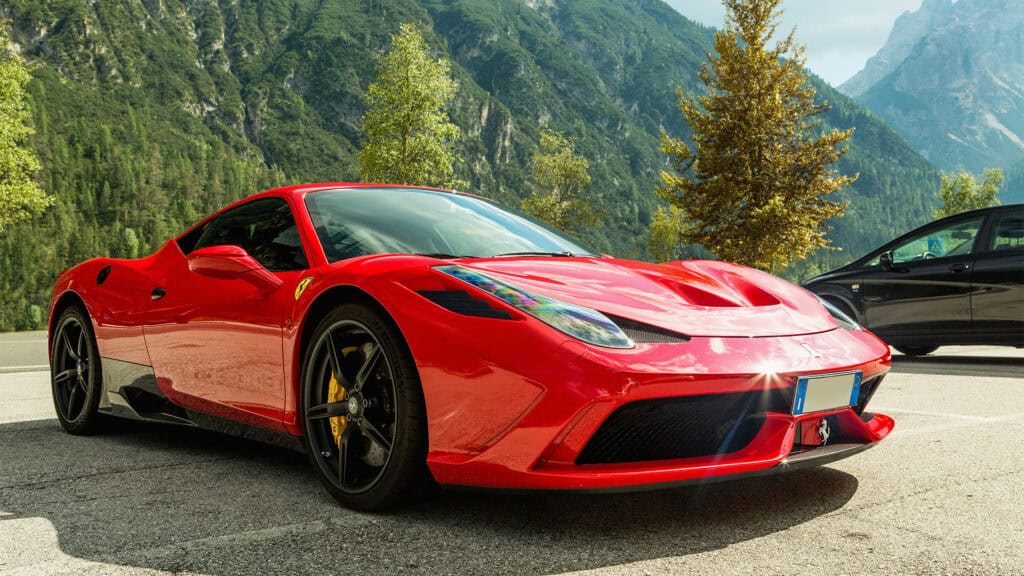
The demand for larger, well-equipped SUVs and trucks in the U.S. has been so strong that manufacturers can charge premium prices while selling fewer units than they could with economy cars. For automakers, this is ideal: they make more profit per vehicle, even if total sales volume isn’t as high. Smaller, cheaper cars often struggle to turn a profit because fixed costs such as engineering, safety compliance, and distribution are similar regardless of size. So when buyers overwhelmingly want SUVs, crossovers, or premium sedans, that’s where manufacturers focus their resources.
Another factor is consumer psychology. Many buyers aspire to own vehicles that feel like an upgrade, not a compromise. People are willing to stretch their budgets to choose models with more features, larger bodies, or a luxury badge. As long as customers continue to prioritize these “wants” over basic affordability, automakers will keep pushing prices upward.
Ultimately, supply and demand explain why the dream of a cheap, simple car doesn’t fit the current U.S. market. Automakers aren’t charities. They are profit-oriented entities backed by banks, investors, and close connections to governments. If consumers reward high prices by continuing to buy, then manufacturers will keep producing higher-margin vehicles. It will take a major shift in demand, disruptive new competition, or economic pressures before affordable new cars become a serious business case again.
Conclusion
The idea of a cheap, reliable, and long-lasting new car is appealing, but the reality of today’s auto industry makes it nearly impossible. Tariffs, global supply chain challenges, billion-dollar EV investments, and ever-increasing technology requirements all push prices higher.
On top of that, consumer demand leans toward larger, more luxurious vehicles, and automakers naturally follow the profits. In a market where buyers continue to pay more for bigger, more feature-rich cars, there is little incentive for manufacturers to build genuinely affordable models. Until either consumer demand shifts dramatically or disruptive competition forces a change, Americans waiting for a budget-friendly new car will likely be left searching the used market instead.