

Hate running? Me too! Try one of these exercises instead

Not a runner? You can still build serious cardio endurance with smarter, lower-impact workouts that don’t feel like punishment.
Running gets treated like the default answer for cardio, but plenty of men avoid it for good reason. It’s hard on the joints, repetitive, and for some, just plain boring. The good news is you don’t need to log miles to build endurance or protect your heart. There are effective alternatives that deliver the same or better results without the dread.
Rowing: full-body cardio without the impact
Rowing is one of the most efficient cardiovascular workouts you can do. It hits your legs, core, and upper body in a single movement, while staying low-impact on your joints. It stands out because it blends resistance and cardio. The science shows you’re getting your heart rate up while also building muscular endurance at the same time. To get started, aim for 15-20 minutes at a steady pace. Focus on form first, drive through your legs, then pull with your arms. For greater intensity, try intervals of 30-90 seconds, depending on ability, for 6-10 rounds.
Swimming: high output, low stress
Neurosurgeon Dr. Jay says swimming is a low-impact, top-tier cardio return option. It’s great for those with joint pain or past injuries that make running uncomfortable. The water supports your body weight, reducing impact while still challenging your cardiovascular system and targeting core muscle groups.
Swimming forces controlled breathing, which improves lung capacity over time. If you’re new, start with short laps and rest as needed. A simple routine of swimming one lap, resting 30 seconds, and repeating for 20 minutes. As your conditioning improves, reduce rest time or increase distance.
Cycling: scalable and easy to stick with
My personal favorite since I was a child!
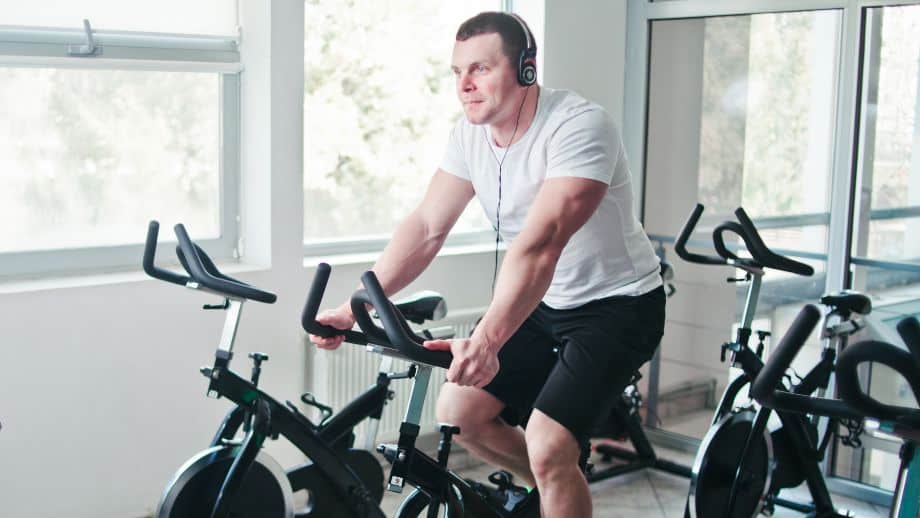
Cycling, whether outdoors or on a stationary bike, is one of the most accessible alternatives to running. It’s easy to adjust intensity, making it ideal for beginners and experienced athletes alike. With this exercise, you can strategically use both resistance and cadence, which helps you build strength.
You can simulate hills, sprints, and long endurance rides in a single session. A solid beginner structure is a 5-minute warm-up, followed by 20 minutes alternating between moderate effort and short bursts of high intensity (30-60 seconds), then a cool-down. Eventually, increase your duration or resistance to keep progressing.
HIIT: maximum results in less time
If your main issue with running is time, high-intensity interval training (HIIT) might be your best bet. These workouts combine short bursts of intense effort with brief recovery periods, pushing your heart rate up quickly. HIIT can include exercises like jump squats, burpees, kettlebell swings, or battle ropes.
The most important factor is the effort you put in, as these sessions are short but demanding, and you want to be efficient. You can get a powerful cardio effect in 15 minutes if you’re working at the right intensity. Try the simple format of 40 seconds of work and 20 seconds of rest repeated for 15-20 minutes. Choose 4-5 movements and rotate through them.
Staying consistent and tracking progress
Getting cardio in, no matter the form, is what’s important. You can balance it with your strength training for better results or incorporate it into a 30-minute exercise plan. For many men, running often feels like a chore, which can lead to burnout or inconsistency. That’s why switching to an alternative you enjoy makes it easier to stick with a routine. You need consistency to get results. Aim for 3-4 cardio sessions per week, alternating steady-state workouts with higher-intensity sessions. Track your progress in metrics. This means duration, intensity, heart rate, or how quickly you recover after a workout.

Motivation won’t come from discipline alone so you might as well make sure you enjoy your cardio outlet. Set small, measurable goals like increasing rowing distance or shaving time off a cycling interval and build from there. At the end of the day, most cardio isn’t enjoyable. The goal is a stronger heart, better endurance, and more energy in your day-to-day life. But if running isn’t your thing don’t see it as a limitation, you can always find something that works for you.