
GoFundMe for James Van Der Beek’s family surpasses $2.6 Million — and sparks uncomfortable questions
When a beloved TV star’s fundraiser explodes in donations it exposes cracks in fame, fortune, and healthcare.
This week, a GoFundMe launched for James Van Der Beek’s family snowballed into a massive controversy. Since its launch, the campaign has raised millions for the family. On the surface, this is about support, fans showing up, and community rallying around someone they grew up watching on screen. But once the initial “wow” factor fades, the story opens the door to something more complicated and frankly, more uncomfortable.
What happened
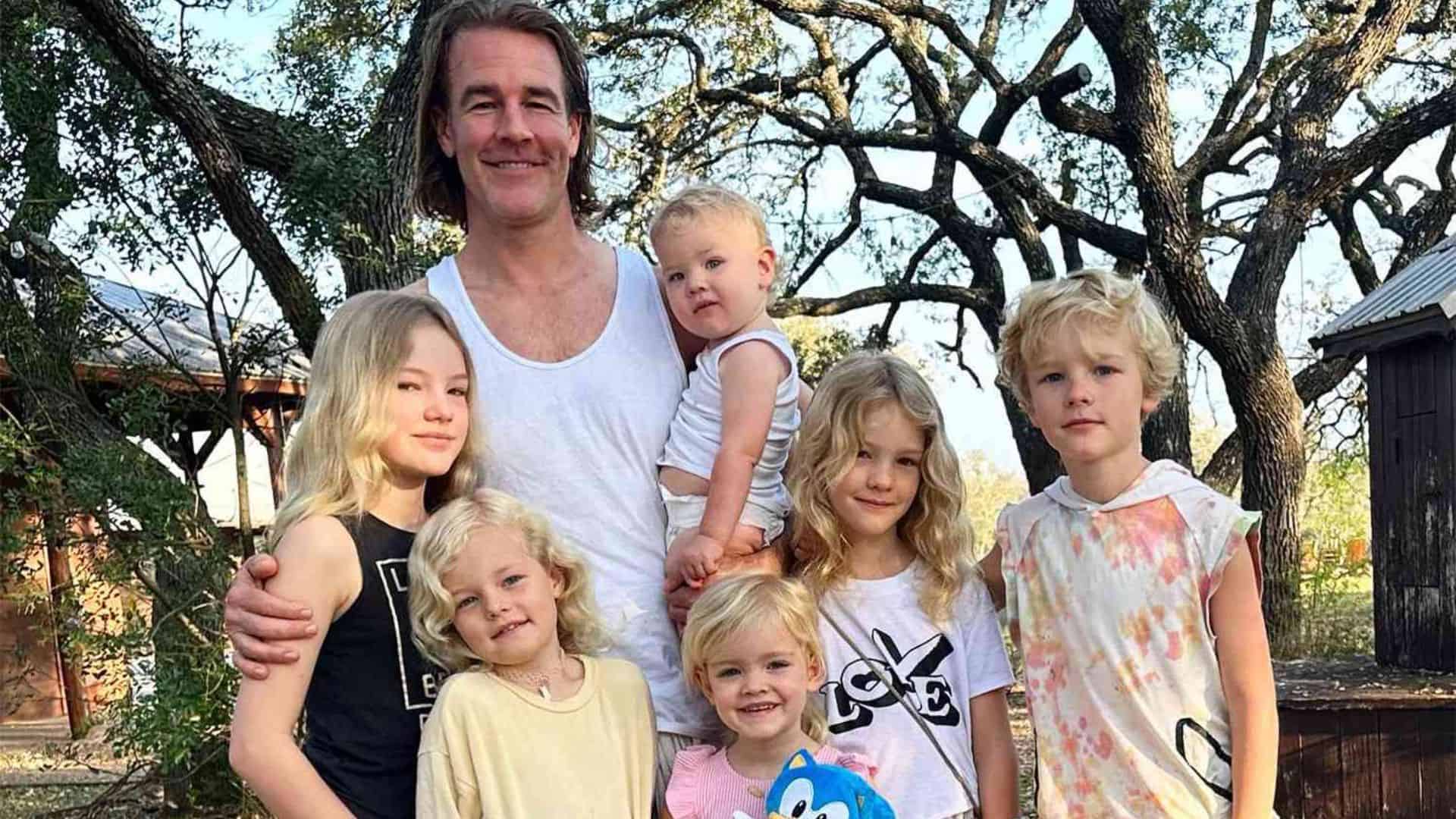
James Van Der Beek, the actor best known for playing Dawson Leery on Dawson’s Creek, died on February 11 at age 48 after a battle with colorectal cancer that he made public in 2024. He leaves behind his wife, Kimberly, and their six children.
Shortly after his death was announced, friends of the family set up a GoFundMe to help cover essential expenses, including bills, daily living costs, and the children’s education, explaining that the prolonged fight with cancer had “left the family out of funds.” This is not the first GoFundMe campaign asking people to support a well-known person. Recently, Mickey Rourke had a GoFundMe page to help him pay his rent.
The campaign’s goal quickly exploded, and in under 24 hours, it topped $1 million. Within a few days, it surpassed $2.6 million from tens of thousands of donors. High-profile contributors like Dawson’s Creek alumni and filmmakers, including Steven Spielberg and Zoe Saldaña, helped draw attention to the cause. But even as hearts poured out sympathy, not everyone reacted the same way.
The uncomfortable questions
If you’ve spent any time online in the last week, you’ve seen this debate going on. Why does a celebrity family need millions from strangers when they just bought a multimillion-dollar ranch? Weeks before Van Der Beek died, his family secured a roughly $4.7 million ranch in Texas, a place they had been renting for years, with help from friends’ financial support. This raised eyebrows when paired with a plea for public donations.

People on the Internet have argued that everyday families launch GoFundMe campaigns to cover medical bills but often fall far short, struggling to raise even a few thousand dollars. Meanwhile, a recognizable name and a large fan base mean a celebrity campaign can hit seven figures in hours. It’s an uncomfortable truth about visibility, fairness, and how we respond to suffering. Not all hardship looks the same to all people, but many regular people facing illness can’t rally half as much support, not for lack of need, but for lack of fame.
There are people explicitly questioning the optics of the GoFundMe for James Van Der Beek’s family, especially given the reports about property and perceived wealth. One post reads, “Family put up a GoFundMe worded to make it sound like they were broke from medical bills and in danger of losing the roof over their head. Turns out they’d bought their second home, a $5 million ranch in Austin, the month before he died, and were not in danger of being homeless.” and the comment section is flooded with responses in agreement.
Others in the comments defend the family’s choice, noting that expensive cancer treatments can drain savings rapidly. And even with insurance, that money raised isn’t just for bills, but stability for six children. Supporters are pushing back strongly against online attacks, including claims that the campaign is exploitative, calling for empathy rather than cynicism.
Why this matters
This story is more than just one family’s tragedy. It exposes how deeply flawed and unequal the health-care system feels to so many Americans. Even with insurance, treatment costs, deductibles, travel for care, and lost income can pile up to the point that a family feels compelled to seek public help. When someone well known is in that position, it lays bare how serious illness can ruin you financially, even if you thought you were prepared.
The reactions reflect how we view fame. When someone has been in the public eye, we tend to assume they are financially secure. But careers in Hollywood aren’t always steady paychecks, residuals aren’t what they used to be, and long illness can wipe out savings no matter who you are.
More broadly, it raises a cultural question. Why do we treat suffering differently when it’s familiar? When a teacher in Kansas launches a fundraiser, few strangers outside their community donate. But when a recognizable face shares a family’s story, people from Tokyo to Toronto open their wallets. That disparity says as much about collective psychology as it does about generosity.
The Van Der Beek fundraiser has done one undeniable thing, it got people talking about how we care for one another, and what really happens when life isn’t predictable even for those we thought had “made it.”