

From Hollywood to GoFundMe: The money lessons behind Mickey Rourke’s current reality
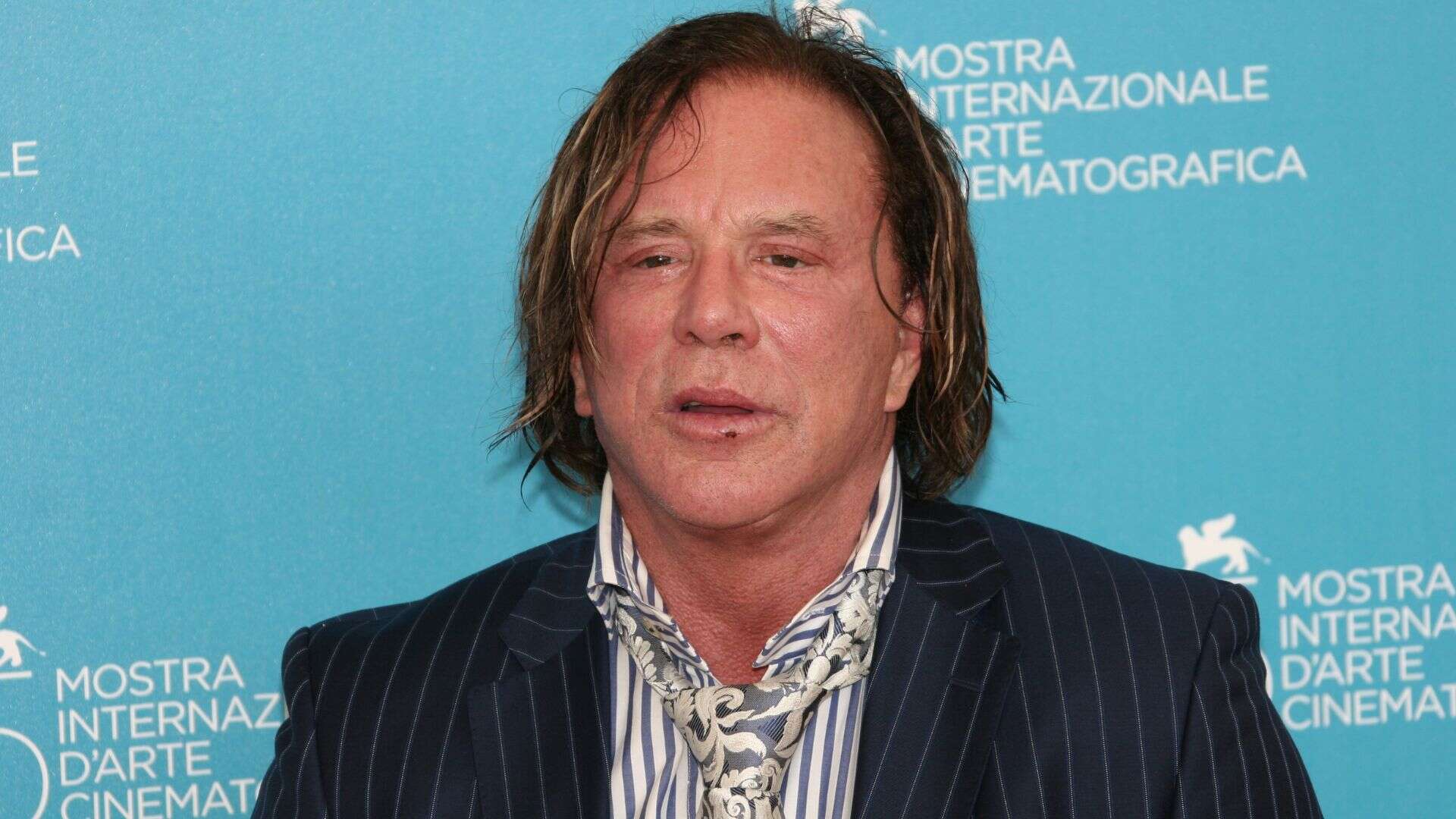
The actor’s situation sheds light on how rising expenses, unpredictable income, and the lack of a safety net can slowly build financial pressure in life.
Mickey Rourke, a 73-year-old American actor and former professional boxer, is facing eviction from his Los Angeles rental home and has launched a GoFundMe campaign intended to help cover overdue rent.
The GoFundMe page titled “Help Mickey Rourke Stay in His Home” states that funds raised will be used for immediate housing-related expenses. Rourke owes close to $60,000 in rent. He signed a lease for the property in March 2025 at $5,200 per month, which was later increased to $7,000 per month. The eviction notice was issued in December after the balance remained unpaid.
The situation quickly caught the public’s attention after the fundraiser was initiated. People also sympathized with him when he appeared in public, coming out of his Los Angeles home, almost unrecognizable. His GoFundMe campaign is run by the assistant of Mickey’s manager with his approval.
Mickey’s career background
Rourke became widely known in the 1980s through a series of successful film roles that established him as one of Hollywood’s prominent actors. He later stepped away from acting to pursue professional boxing, which resulted in injuries requiring medical treatment and reconstructive surgery.

He returned to the film industry in the early 2000s and received recognition for his performance in The Wrestler in 2008. Since then, his work has continued on a project-by-project basis, with roles across film and television.
Mickey’s current situation has come as a massive shock to his fans and industry colleagues, who have long adored the actor and are hoping he can return to a stable condition.
What people can take away from situations like this
Rourke’s story is not unique, and many people end up in similar situations due to mismanaged finances or sudden illness. But with a few basic steps, people can prepare for more challenging times.
Live below your means
When you have a good income, it’s easy to start spending more money; upgrading your living situation, taking on bigger expenses, or making long-term financial commitments can all feel justified. However, problems arise when your income changes but your spending stays the same. Keeping your fixed monthly costs below your income gives you some room to adapt if your paycheck tightens or unexpected expenses arise.

Start saving, even if it’s a little
Many people delay saving because there is always something more immediate to pay for. Saving early, even in small amounts, creates a buffer that helps you in unforeseen situations like the one Mickey faced. Having savings can help cover gaps between paychecks and reduce the need to make hasty financial decisions.
Plan for retirement before it’s too late
Most people do not actively plan for retirement early on, especially when day-to-day bills are covered. Retirement planning is not only about later years. It can also provide stability during periods when you are unable to work due to health issues, career changes, or other emergencies. Starting to save early gives you more options and flexibility down the road.
Keep an emergency fund available
Having money set aside for emergencies gives you valuable time to handle housing problems, adjust your spending, or search for new job opportunities without any stress. Even a short break in income can cause significant stress if you don’t have savings to fall back on. While having an emergency fund doesn’t prevent issues from happening, it gives you more choices when they do.
The takeaway
Mickey Rourke’s situation shows that financial troubles can result from factors beyond making poor choices or facing sudden setbacks. Instead, it highlights how a person’s financial situation can change, even for those who once earned a lot.
As time goes on, income can decrease while expenses keep increasing, and plans for the future can be delayed, leading to a growing financial gap. Mickey’s story reminds us that our financial situations can change quickly, especially if our plans are based on ideas that might no longer be accurate.