
The real cost of car ownership that no one talks about

A deep dive into the invisible variables that make car ownership one of the most significant liabilities in your life.
While the sticker price or monthly lease often dictates the initial purchase, the true financial impact of vehicle ownership extends far beyond the dealership floor. Hidden factors such as rapid depreciation, escalating maintenance costs, and rising spare-part prices create a persistent drain on personal wealth that many drivers fail to quantify.
The car itself is just the beginning
Most people think, “If I can afford the monthly payment, I can afford the car,” or “If the neighbor can afford a new BMW, then I can do as well.” Before you decide your next move, think about: insurance, registration, taxes, and maintenance… they don’t show up in the dealership showroom, but they show up real fast on your bank statement.
One thing most people don’t realize is just how fast a car loses value. The moment you drive off the lot with a new car, it typically loses about 10% of its value. Within the first year, that figure can climb to 20% or more, depending on the brand and model. That means your $60,000 car might only be worth $48,000 in a matter of a year, that is $1000 loss per month! And yet, you’re still paying it off at full price.
Insurance costs add up fast
Car insurance isn’t optional, and depending on where you live and your driving history, it can be pricey. For some, it’s $80 a month. For others, it’s $200 or more. Young drivers, in particular, get hit the hardest. I’ve helped friends who got their first car only to realize the insurance alone pushed them over budget.
Also, if you finance your car, lenders often require full coverage, which is much more expensive than liability-only policies. It’s one of those expenses people underestimate, but it never goes away.
Fuel
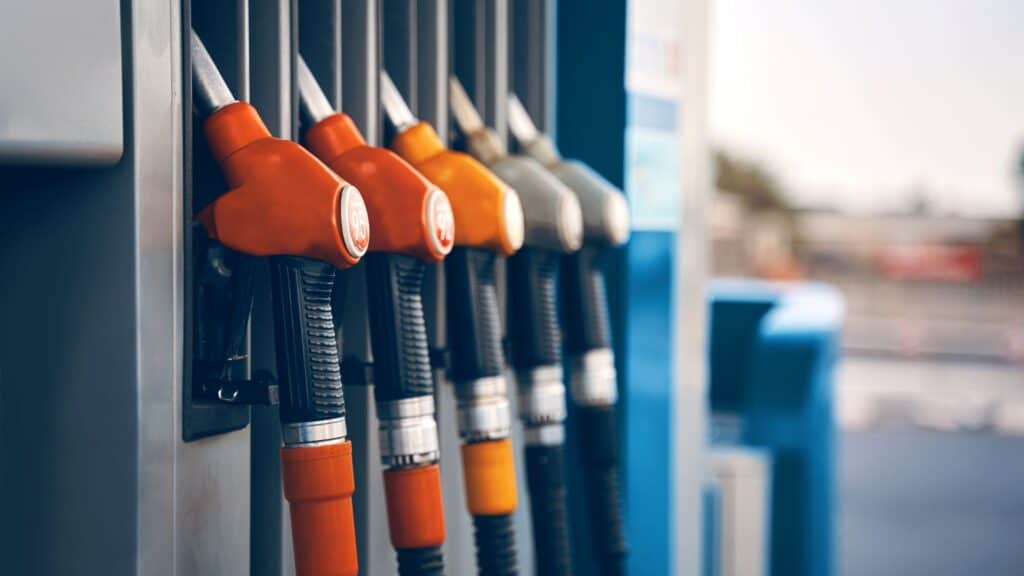
Gas prices are obvious, but they fluctuate constantly. If you drive a lot or have a car with poor mileage, this can become a major monthly drain. And it’s not just the fuel. It’s also how efficiently your car burns it. Older cars or high-performance models are usually thirstier than you’d expect.
As of writing this, average fuel prices are around $3.598 per gallon, but depending on your car and commute, that can easily mean $150–$300 a month in fuel.
Maintenance and repairs are inevitable
Every car breaks eventually. Oil changes, tire rotations, brake pads, etc. All of these are routine expenses, and then you will get the unexpected stuff. Like a dead alternator, a leaky radiator, or a cracked windshield. Some months, it’s just $60 for an oil change. Other times, you’re staring down a $1,200 repair you didn’t plan for.
And if you’re buying a used car, those repairs can show up sooner than you think. A lot of people think they’re saving money by avoiding new cars, but end up paying for it in frequent repairs.
Registration, taxes, and fees
These vary by state, but every car owner has to deal with them. Annual registration fees range from $50 to $300. There are also inspection fees, emissions testing in some states, and local taxes. When you buy a car, don’t forget the sales tax, too. Often, thousands of dollars are tacked onto the sale price.
Parking and tolls
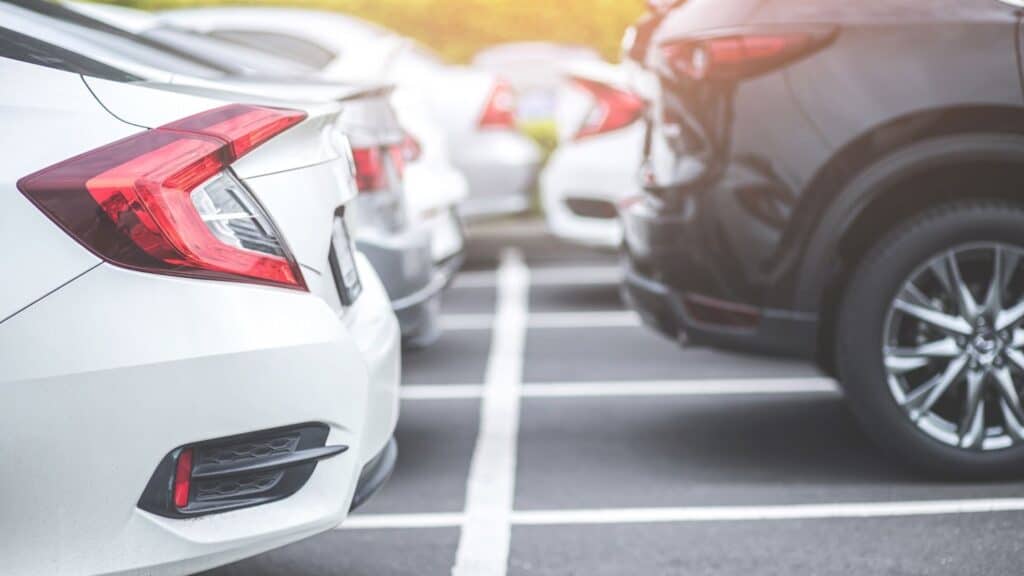
Depending on where you live, this might be one of the highest hidden costs. City parking is brutal. Monthly permits, parking meters, and tickets can quietly eat into your budget. I once spent more on parking in a year than I did on repairs.
Tolls, too, are easy to overlook. If you commute on highways with toll booths, you might be spending hundreds of dollars annually.
Loan interest
If you’re financing the car, don’t forget the interest. A 5% interest rate over five years can add thousands to the overall cost of the car, even as its value depreciates. Even though your payment might feel manageable, you’re paying more than the sticker price in the long run.
When you can’t afford a car but get one anyway
This is where many people get into trouble. The desire for independence and status is powerful. The neighbor’s shiny new BMW looks amazing. But we don’t know exactly how much he makes each month. Maybe it is just a few pennies for him or a company car. I’ve seen folks buy cars just because their friends have one or because they “deserve it.” It is almost always a big mistake. Any car that stretches your budget is a trap. You’ll constantly be juggling payments, repairs, and gas money.
Worse, missing payments tanks your credit score and puts you in a cycle of financial stress. In the worst-case scenario, your car gets repossessed, which can affect your finances for years.
Final Thoughts
Cars are convenient, but as you can see, they’re not cheap, and the real cost of ownership goes far beyond the price tag.
But if you go in with open eyes and a solid budget, a car can absolutely be a great investment in your time and freedom. Just don’t fall for the idea that it’s only about the payment. The truth is that owning a car is a commitment that should be made with your head, not just your heart.