
Half of American women won’t date someone who isn’t a feminist
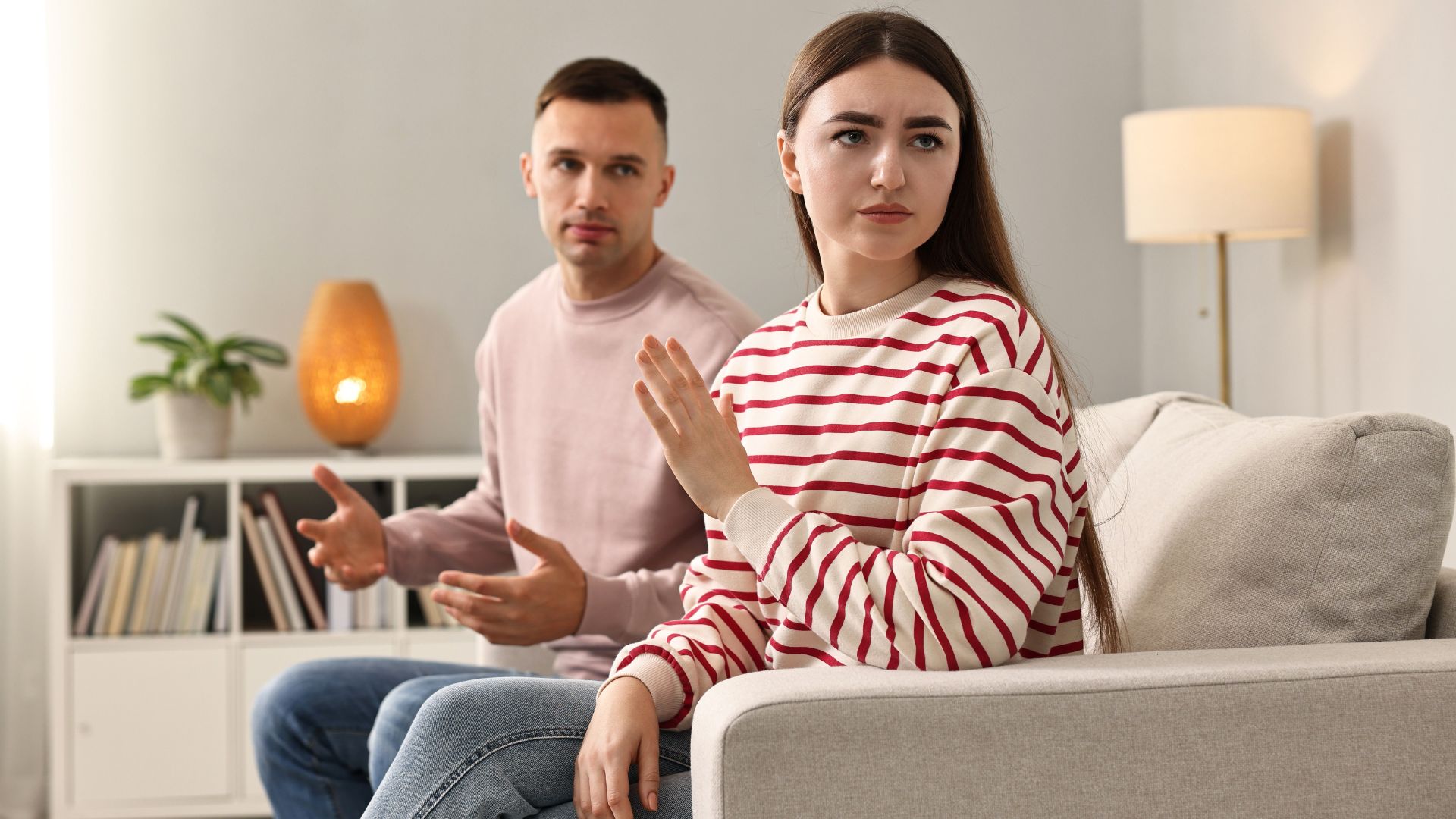
For many women, dating is no longer just about attraction or chemistry, but also about whether a potential partner’s worldview aligns with their own understanding of respect and equality.
A recent survey suggests that social values are becoming a key filter in modern dating, with feminism emerging as a defining line for many women. One of the more striking findings is that around half of American women say they would not date someone who does not identify as a feminist, which indicates that beliefs about gender equality are increasingly seen as a baseline expectation rather than an optional viewpoint.

The data behind the headline
A recent survey of young American daters highlights a shift in how compatibility is being defined. The data show that 59% of women and 35% of men say it is important that their romantic partner identifies as a feminist. When asked how likely they would be to date someone who does not identify as a feminist, half of the women and one in three men said they would be unlikely to do so.
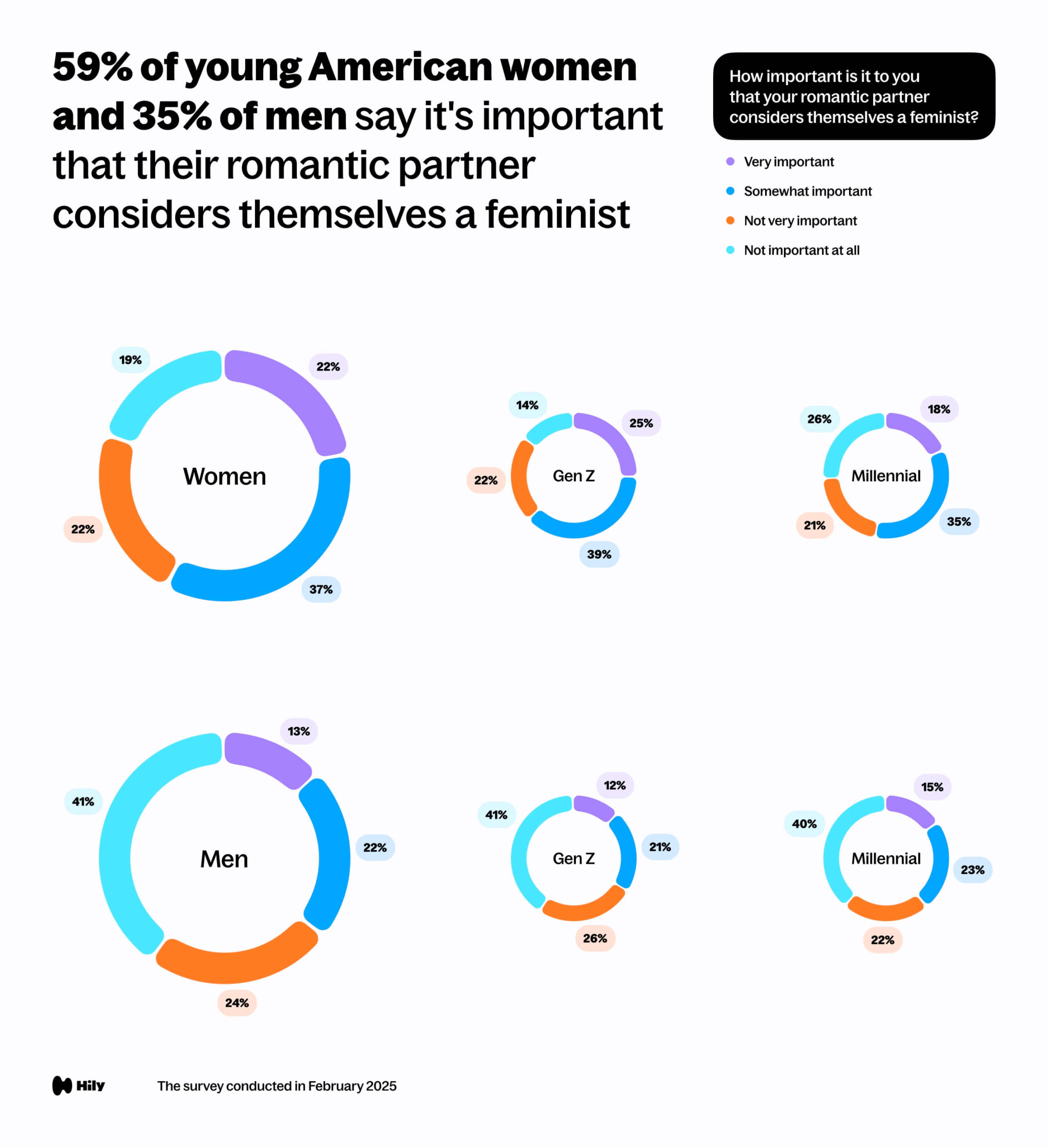
The same survey shows there’s a noticeable gap between how men and women approach this issue. While women are more likely to see feminism as a baseline value, fewer men identify with the label themselves.
That mismatch creates friction before a relationship even begins. The survey also points to a broader pattern: values are becoming front-loaded in modern dating, as seen in the rise of the “clear coding” trend. People aren’t waiting until later stages to figure out where someone stands. They’re filtering earlier through profiles, conversations, and subtle cues.
To understand how women select partners, it is better to look at what feminism actually represents. At its core, feminism is a movement advocating social, political, and economic equality between men and women. For many women, identifying their partner’s view reveals what they think about respect, roles, and partnership.
How this reflects a bigger shift in dating
This is part of a wider change in how relationships are formed. Modern dating has become more transparent, but also more selective. Apps make it easy to filter for preferences, and cultural conversations around gender, identity, and equality are more visible than ever. As a result, people are building relationships with a stronger emphasis on shared worldview.
There’s also a growing ideological divide between men and women, especially among younger generations. Political and social views are increasingly drifting apart, with women more likely to lean toward progressive positions, while men are more mixed or less aligned overall. As a result, differences in opinion, lifestyle, or worldview that once felt negotiable are now more often seen as fixed incompatibilities, making long-term alignment harder to assume from the outset.
When it comes to gender dynamics specifically, those differences can feel personal. In that environment, labels like “feminist” act as shorthand, and they tell someone what kind of relationship they might be stepping into.
Why it matters for men
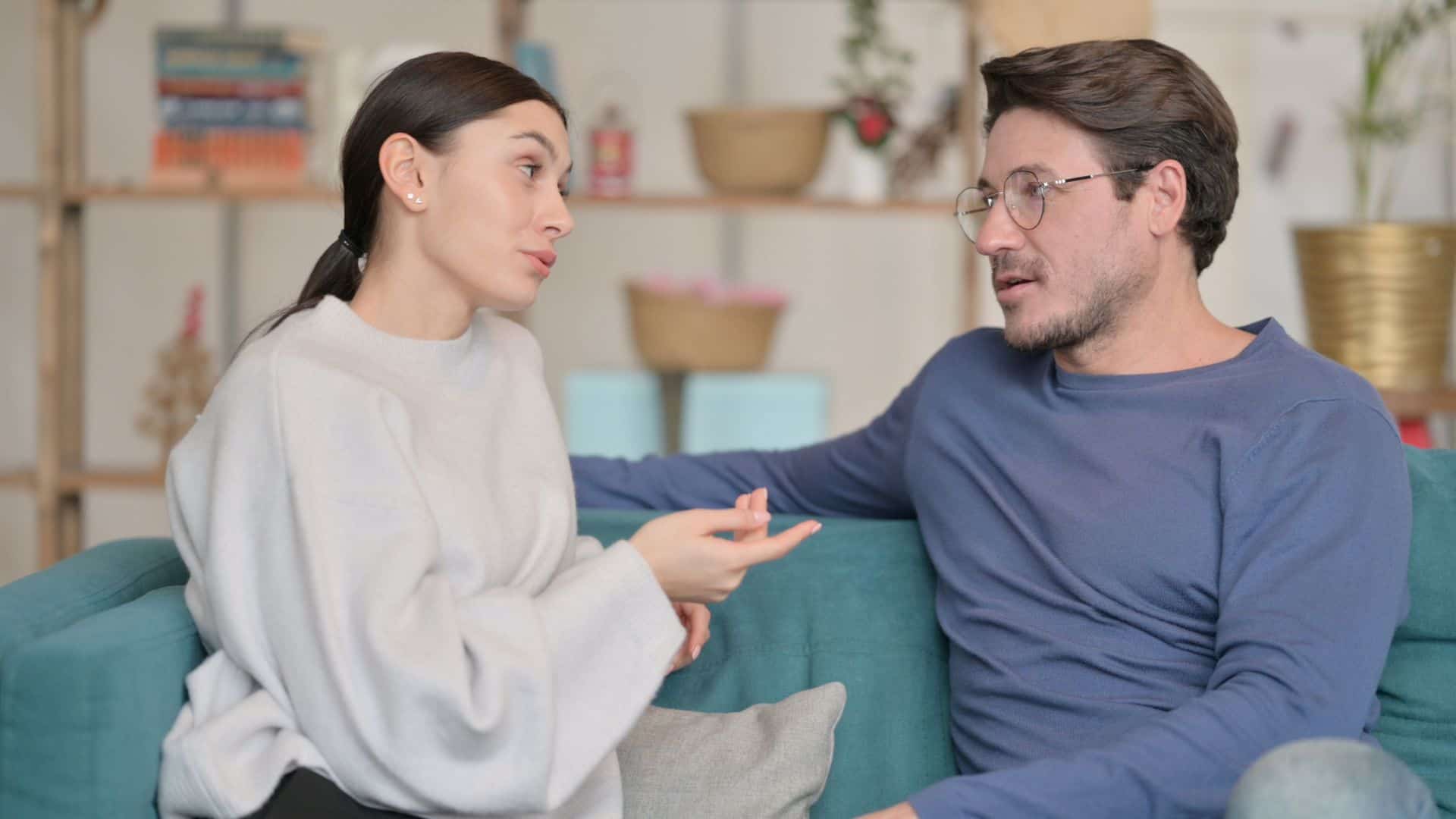
For men, this shift changes the playing field, and it might not be obvious. What the label signals is more important than what you claim it for. For many women, identifying as a feminist comes down to expectations of mutual respect, shared responsibility, emotional awareness, and a balanced dynamic. If those expectations aren’t clearly communicated or misaligned, it can close the door before anything starts.
There’s also a disconnect worth paying attention to. The issue here is that some men might support gender equality in principle but don’t necessarily identify with the term “feminist.” The difference between belief and label can create confusion in dating, especially when one side sees the label as essential. What this really comes down to is clarity and understanding.
Modern dating is moving toward faster filtering and fewer gray areas. People are deciding earlier what matters to them and acting on it. For men, understanding that shift rather than pushing against it can make a difference. Whether someone chooses the label or not, the expectations behind it aren’t going away.