
How am I supposed to afford this? Teen’s viral Reddit post exposes the hidden costs of car ownership
He couldn’t believe his eyes when he saw the first service quotation and asked Reddit for advice.
An 18-year-old posted to Reddit after a routine trip to the dealership turned into his first real lesson in car ownership. He’d only been driving for 10 months, and the total on the service quotation made him wonder how anyone is supposed to keep a car running on a normal budget.
The original poster drives a 2020 Mitsubishi Outlander SEL with 85,000 miles, though only about 10,000 of those miles have been driven since he and his dad started driving it in 2022. He took the car in for a recall and got a full inspection done at the same time. The paperwork that came back listed four tires worn down, bad wheel alignment, and front brake pads that need to be replaced. On top of that, the dealership recommended a transmission service, a coolant flush, a fuel system cleaning for the throttle body and injectors, a brake service to resurface the rotors, and new cabin and engine air filters.
The total came to almost $3,000. “I’m only 18 and have only been driving 10 months,” he wrote, laying out just how far that number was from anything he’d budgeted for.
It was probably the first time he faced the real cost of vehicle ownership. The comment section was supportive, explaining that this is the harsh reality, and many offered practical advice. The most common reaction was simple: not everything on that list needs to happen today, and not everything on it needed to happen at a dealership in the first place. One commenter broke it down plainly, pointing out that the cabin and engine air filters are a $20 to $40 job most people can do themselves in minutes, while the tires, brakes, and alignment were the real priorities.
Another commenter was blunt about where not to get the work done. Dealerships upsell constantly, they said, and the move is to only pay for what’s actually necessary rather than the full list handed over at once. One reply went further, walking through the actual math. A dealer might charge $200 an hour for labor, they said, meaning a simple brake pad job alone can run $200 while a full brake and rotor job can land between $550 and $800 at dealer rates, and doing it yourself in a driveway with basic tools costs a fraction of that in parts alone.
The real cost of car ownership

This is the part that doesn’t get talked about enough when someone buys their first car, and it’s the real lesson buried in this thread. The purchase price of a car is just the entry fee. Maintenance is only one piece of what it actually costs to keep a car on the road every year.
A few maintenance numbers are worth knowing before you ever sign for a car. Tires typically last somewhere between 30,000 and 60,000 miles, depending on the tire and how the car is driven. Brake pads generally last 30,000 to 70,000 miles. Alignments should be checked whenever new tires are installed or after hitting a pothole or a curb hard enough to be noticed. Transmission service, coolant flushes, and fuel system cleanings run on longer intervals, often tied to mileage bands in the 60,000 to 100,000-mile range depending on the manufacturer, and they matter for long-term reliability even though nothing about them feels urgent in the moment.
Insurance is the cost that new drivers underestimate the most. An 18-year-old with 10 months of driving experience pays dramatically more than an experienced adult driver, sometimes two to three times as much for identical coverage, because insurers price risk on age and history, not just the car. That premium typically drops incrementally over several years as a clean driving record builds, so the first few years behind the wheel are the most expensive by design.
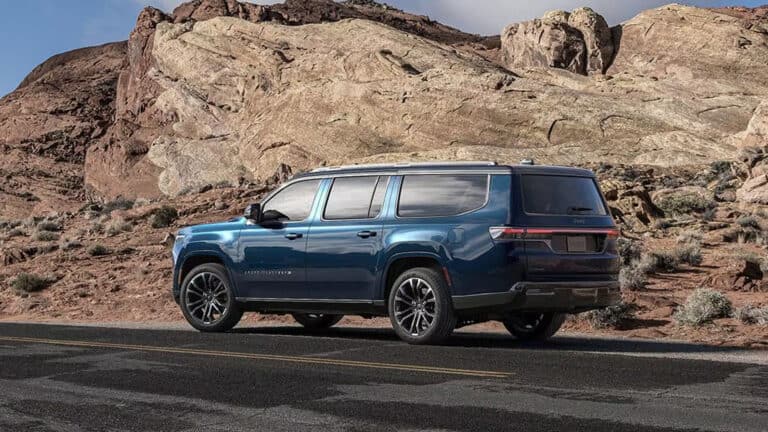
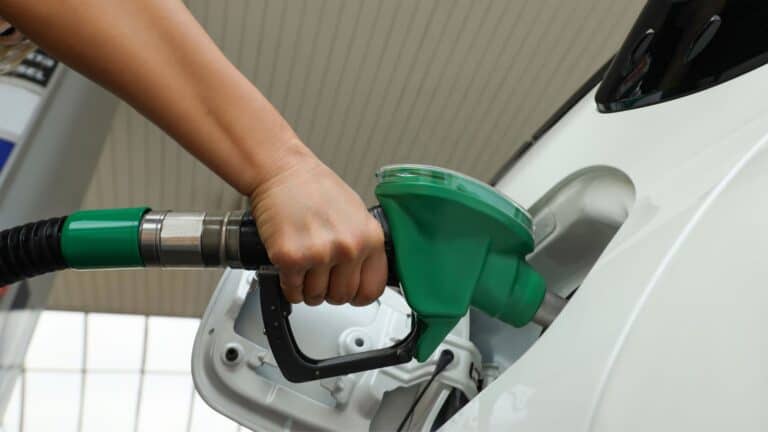
Registration and road tax add another yearly cost that varies by state, usually somewhere between $50 and a few hundred dollars, depending on where you live and how the state calculates it, sometimes by weight, sometimes by value. Parking is easy to forget. A monthly spot in a city can run into hundreds of dollars, and even street parking can mean permit fees or regular tickets in denser areas. Fuel is the cost that shows up weekly rather than yearly, and it swings widely depending on the car. A larger SUV like the Outlander in this story costs meaningfully more to fill up than a compact sedan.
Depreciation belongs on this list, too, even though nobody writes a check for it directly. A new car loses a large chunk of its value in the first few years, and that loss is real money even if it never shows up as a bill. It’s part of why buying used, letting someone else absorb that first drop, is often the more forgiving way to start out.
Before buying any car, especially a used one, ask for service records and get an independent inspection rather than trusting a clean look and a good test drive. A car that looks fine can still be sitting on worn tires or old brake pads, and knowing that going in either gets you a lower price or lets you budget for the repair immediately instead of discovering it the way this Reddit poster did. Before signing anything, get an actual insurance quote for that specific car, too, since two cars at the same price can carry very different premiums.
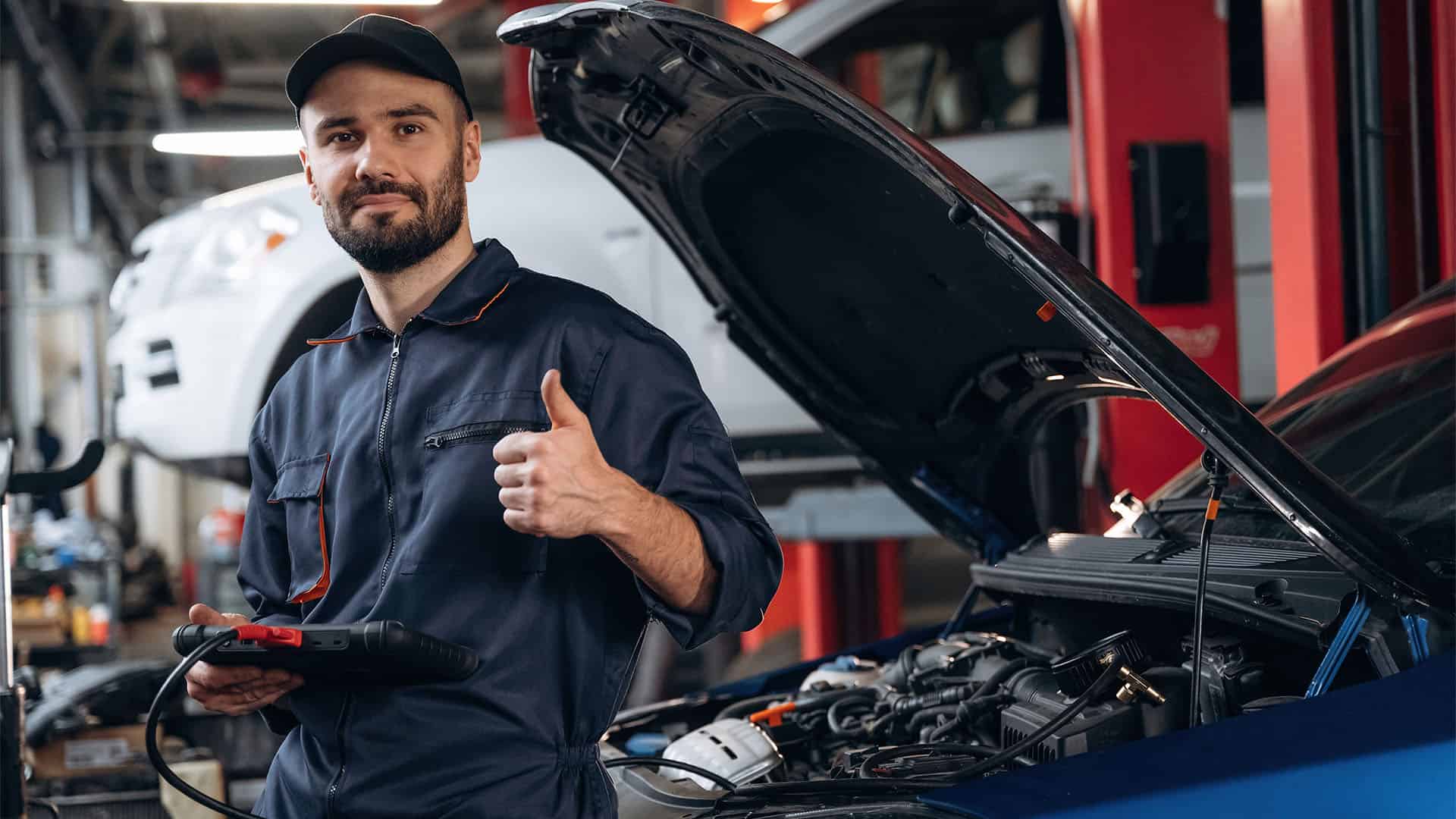
The other habit to build early is separating urgent from optional. Tires, brakes, and alignment affect whether the car stops and handles the way it should, so those come first. Fluid services and filters matter for the life of the engine, but they can usually wait a few weeks while you save up, and none of them need to happen at a dealership specifically. An independent mechanic can do the same work for a fraction of dealer labor rates, and for anyone mechanically curious, tires and filters are genuinely learnable jobs with a basic tool set and a weekend afternoon.
Setting aside even $50 a paycheck specifically for car costs, on top of insurance and gas already in the budget, turns a surprise $3,000 bill into something you already had covered. A car’s price tag is only half the number that matters. The real cost shows up in tires, brakes, and fluids on a schedule, and knowing that schedule ahead of time is what separates a manageable repair bill from the kind that blindsides you at 18 with 10 months of driving under your belt.