Ben Affleck isn’t just talking about AI — he actually understands it
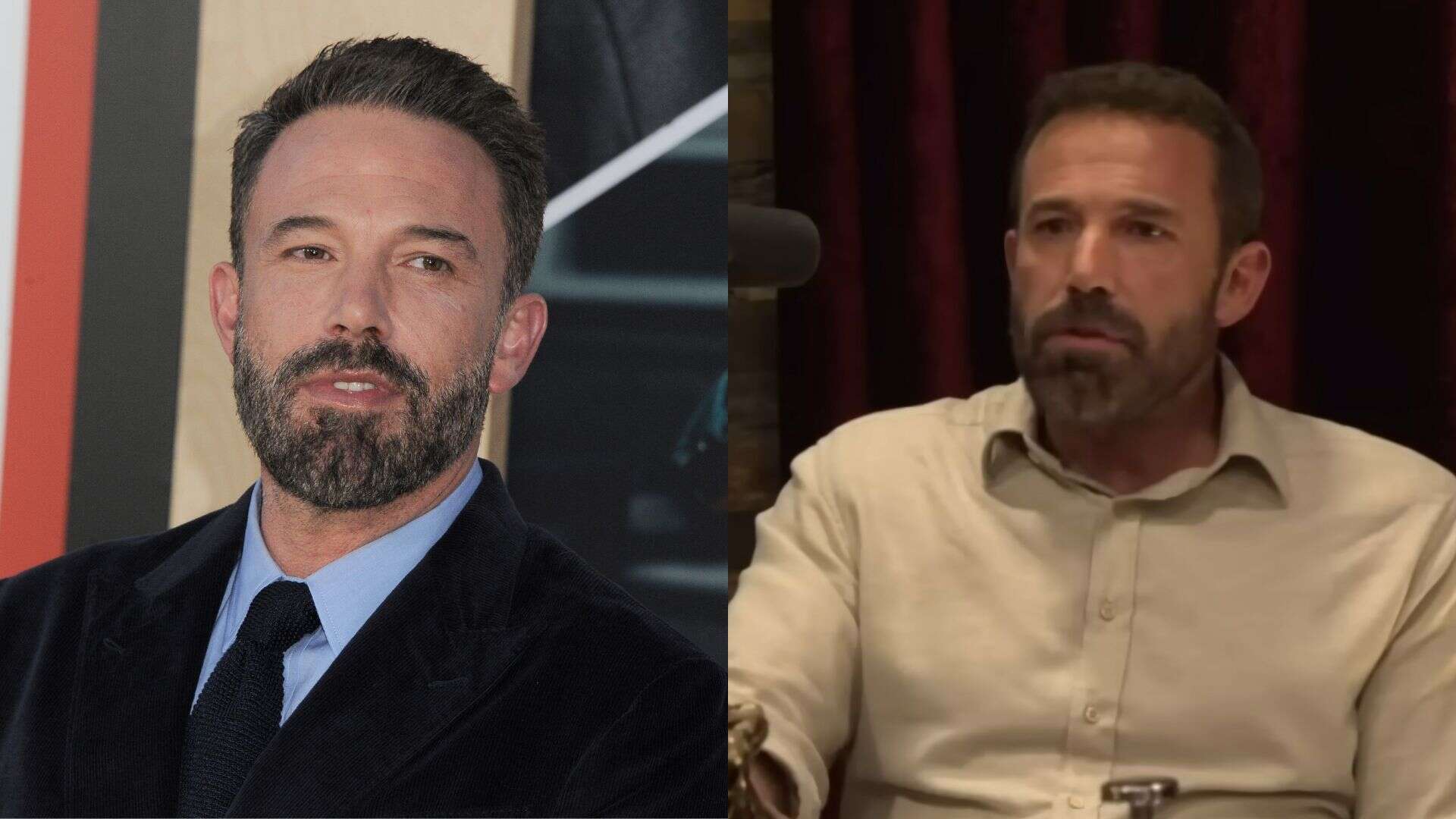
The actor explains why AI inevitably produces “average” work and struggles with creativity, offering a rare, technically literate critique of the industry hype.
The ongoing conversation about how artificial intelligence (AI) fits into film production often focuses on ethical issues or predictions about how it might replace jobs in the industry. However, during a recent appearance on The Joe Rogan Experience alongside Matt Damon, Ben Affleck offered a critical, technically informed perspective that avoided these common generalizations. Affleck discussed the practical realities of AI development and highlighted some of the challenges that current AI systems face. His insights offered a balanced look at both the potential and the limitations of AI in the field.
What happened?
During the episode, Joe asked about the possibilities of AI and what the biggest issues people may face, especially within the film industry. Affleck began by comparing AI to electricity, describing it as a significant shift that will inevitably cause disruption and harm, metaphorically noting it will “kill a bunch of people”, while simultaneously modernizing the world. However, he quickly pivoted to the limitations of current Large Language Models (LLMs) like ChatGPT, Claude, and Gemini.
His primary criticism is that these models are ineffective for creative writing. “I actually don’t think it’s going to be able to write anything meaningful, or, in particular, that it’s going to be making movies from whole cloth, like Tilly Norwood. I don’t think that’s gonna happen”, Affleck added.
Instead of replacing actors, he believes that technology will primarily help with the complex, time-consuming tasks involved in creating movie effects. For instance, filmmakers might use digital backgrounds instead of traveling to expensive locations like the North Pole or hiring people to create background images. According to Affleck, AI can be used in filmmaking to make the technical work easier and quicker, without taking away the creative ideas that make movies special.
His most astute observation concerned the economics of the tech industry. Affleck shared, “We have the sense there’s this existential dread that it’s gonna wipe everything out. But that actually runs counter in my view to what history seems to show.” He explained that much of what people say is an attempt to make sense of the valuations of companies that claim they’re going to change everything in a few years, and that there won’t be any work available.
He pointed out that tech companies need to guarantee rapid, groundbreaking change if they want to attract capital to build data centers. He also mentioned that the returns on these investments are becoming less rewarding; for instance, an upgraded version of a model might show improvements of 25%, but it could also be more expensive to run.
In conclusion, he expressed concerns about how people are using today’s AI technology. He pointed out that most users treat it more like a “companion bot” for chatting than for getting things done more efficiently. He believes this approach to AI is unproductive and doesn’t add much value, “and it is always going to rely fundamentally on the human artistic aspect of it.”
Public reactions
People praised Affleck’s take on artificial intelligence and his well-informed stance. However, some were concerned that his interview would be used to train the data further. One viewer commented, “You guys just gave AI all the tips and secrets to take your jobs.” By openly discussing the nuances of their craft and identifying limitations, creators may unintentionally train models to replace them. It highlights the fear Affleck talks about: that it could eventually become so advanced that it can do the job just as well, if not better, than humans.
On a positive note, another viewer complimented Affleck’s clear understanding of the subject, saying, “Affleck breaks down the state of the AI bubble better than most Ivy League MBAs.” His observations about spending on technology and company valuations resonated with those skeptical of the current excitement around AI and the diminishing returns from investing in massive AI models.
Regarding the current state of film, a user mentioned, “Have you seen Hollywood movies today? Yeah, AI can write that slop easily.” While it’s true that AI can create work that feels ordinary, many people believe that many films today already follow a predictable pattern, even without AI. If the movie industry is producing a lot of similar stories, then using AI to generate average content might not be such a bad idea after all.
Another person remarked, “This is one of the best takes on AI. As an avid user, they are tools, not replacements.” This perspective supports the idea that AI should be used to augment what humans can do, rather than taking over jobs or roles people currently fulfill.
Why it matters

The Joe Rogan Experience reaches a massive global audience, so when a figure like Ben Affleck offers a nuanced take on artificial intelligence, it carries weight beyond Hollywood chatter. His comments cut through two dominant narratives that often dominate AI discussions: unchecked hype and existential fear. Instead of framing AI as either a miracle or a threat, Affleck grounded the conversation in practical constraints, economics, and real-world use cases.
This perspective matters because the film industry is still recalibrating after recent labor strikes that were, in part, driven by concerns about technology and automation. Affleck’s argument—that AI is more likely to streamline technical processes than replace creative work—helps reframe the debate in a more realistic way. It suggests that the future of filmmaking may hinge less on machines replacing artists and more on how responsibly and intelligently those tools are integrated.
More broadly, his remarks speak to a growing skepticism about the AI bubble itself. By questioning whether escalating investments and promises of exponential improvement actually align with historical patterns of technological change, Affleck echoes concerns shared by economists, investors, and workers across multiple industries. In that sense, the conversation is not just about movies; it reflects a wider cultural moment in which society is reassessing what AI can truly deliver versus what it is being marketed to become.