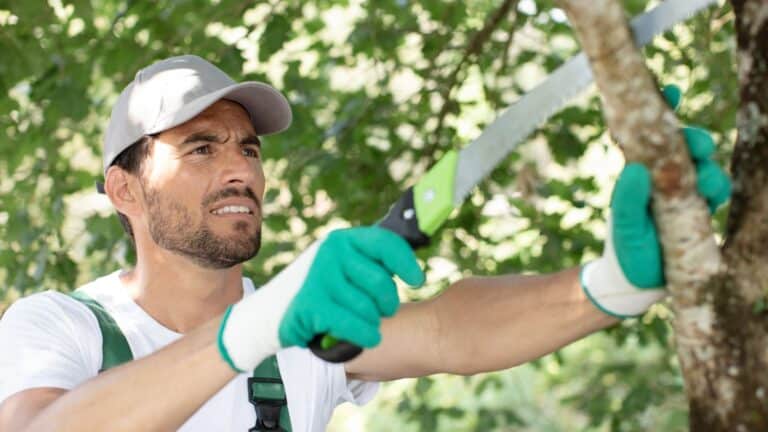

How To Start A Campfire (And Actually Keep It Going)
A good campfire is the heart of any outdoor adventure. As a kid, a campfire was always so magical and mesmerizing. I still remember it was the best feeling to start the fire. As an adult, it is still a magical moment that gives you warmth and a cozy feeling every time you gather with your family or friends around the fire. Knowing how to build and maintain a fire is essential, but many people struggle to keep their campfire going once they get it started. If you follow the right steps, you can build a fire that burns strong, steady, and, most importantly, safely. Here is everything you need to know to start a campfire and keep it going.
Pick the Right Spot for Your Campfire

Choosing the right location is the first step in building a safe and lasting fire. Before you start a fire at any spot, always find information about the actual rules. Due to severe drought, many places have strict rules for starting fires, even at designated spots. Your campfire site should be dry and free from overhanging branches (or anything that can catch fire easily).
If there is an existing fire ring or fire pit, always use it. Never build a fire near dry grass or leaves because they can ignite quickly. A level surface helps prevent logs from rolling and spreading flames. You must keep a safe distance from tents and gear to reduce the chances of fire hazards. The right location will make it easier for you to control the fire and keep it burning safely.
Gather the Right Firewood
Not all wood burns the same way. You need three types of material to build a strong fire: tinder, kindling, and firewood. Tinder includes dry leaves, grass, or small twigs that catch fire quickly. Kindling consists of slightly larger sticks that help the flames grow. Firewood is made up of larger logs that provide lasting heat. Using dry, seasoned wood will make it easier to keep your fire going.
Build a Solid Fire Structure

The way you stack your wood affects how well your fire burns. There are three common fire structures: the teepee, log cabin, and lean-to. A teepee fire is great for quick lighting because the logs lean together, allowing plenty of airflow. A log cabin fire lasts longer because the wood is stacked in layers, creating a steady burn. A lean-to fire works best in windy conditions since it protects the flame from strong gusts. Choosing the right structure helps keep your fire burning longer.
Use Dry Tinder to Get the Fire Started
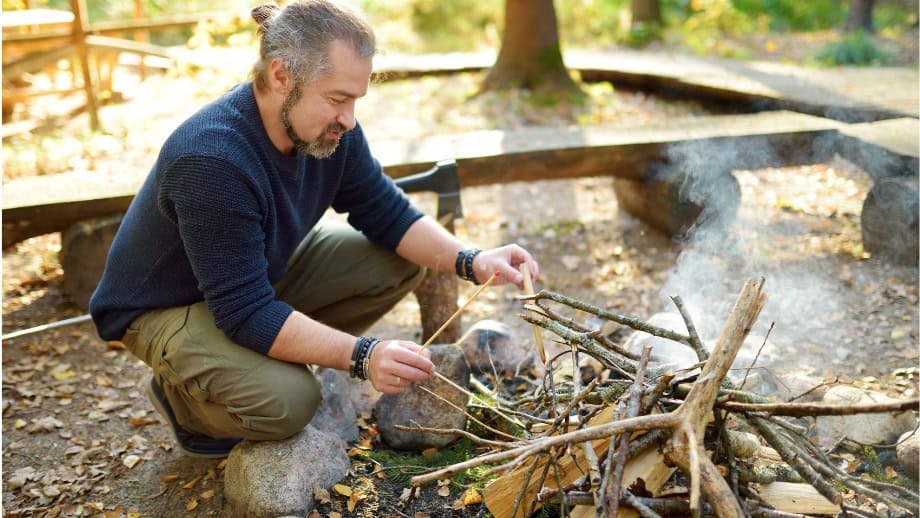
Tinder is the easiest part of the fire to ignite, so it must be completely dry. Small twigs, dry grass, leaves, or a simple old-style newspaper are perfect to start the fire. Make sure your tinder is dry; otherwise, it will be very hard to start, and you will probably end up with a thick smoke instad of nice flames. Always carry a backup tinder source, such as dry wood shavings. Properly starting the flames will make the rest of the fire-building process easier.
Light the Fire the Right Way
Always use a long match or a lighter to keep your hands safe when lighting your campfire. Start by igniting the tinder and spreading the flames to the kindling. Never use gasoline or lighter fluid. These can make the fire unpredictable. Do not worry if the fire does not catch immediately. Just blow gently at the base to encourage airflow and let the fire build naturally for a steady burn. You need to adopt a slow and steady approach to keep the flames under control.
Keep the Fire Going with Proper Airflow
A fire needs oxygen to burn properly. If the flames weaken, check for enough space between the logs for air to flow. Stacking the wood too tightly can smother the fire. Adjusting the logs slightly or adding a small gap will help the fire breathe. If the flames are too weak, adding dry kindling can help bring them back to life. Blowing gently at the base of the fire can also improve airflow and strengthen the flames. Proper ventilation keeps the fire burning steadily without producing excess smoke.
Maintain the Fire Without Overfeeding It
Keeping a campfire burning does not mean adding too much wood at once. A fire needs a balance of fuel and airflow to burn steadily. If too many logs are stacked together, the fire can smother itself. If too little wood is used, the flames can die out quickly. Add logs one at a time, allowing each to catch fire before placing the next. Watching how the fire reacts to new wood helps maintain a steady, controlled burn without unnecessary smoke.
Add Firewood Gradually
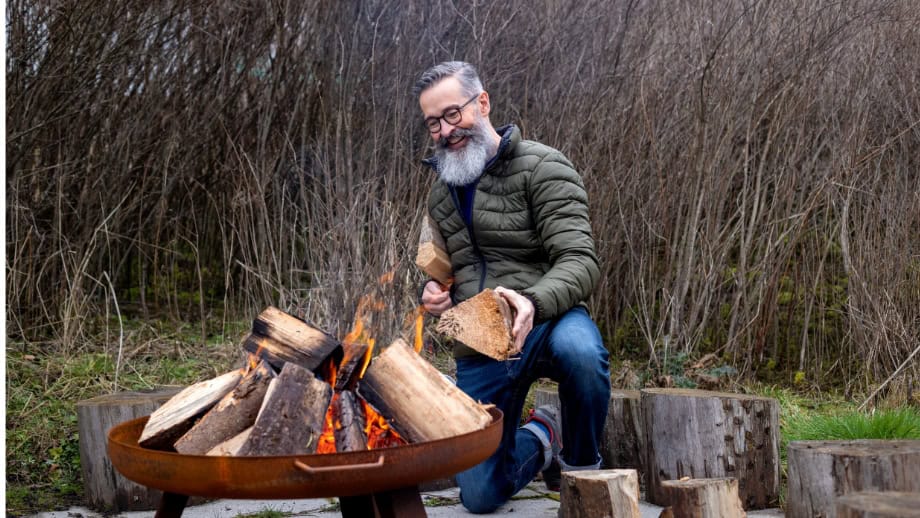
When you throw too many logs in your campfire at once, it smothers the flames. You need to add the firewood slowly and allow each log to catch fire before adding more. Large logs burn longer, but they take time to ignite. It is important that you use a mix of different log sizes to keep the fire steady in your campfire. Monitor the flames and adjust the wood to maintain a consistent burn. You can place smaller pieces of wood around the larger logs to keep the fire balanced.
Keep Extra Firewood Dry
A campfire will not last long if you run out of dry firewood. Storing extra wood in a dry spot provides enough fuel to keep the fire going. Damp logs take longer to catch fire and create more smoke than heat. Stack firewood under a tarp or inside a dry bag to protect it from moisture. You must gather extra dry wood during the day before the temperature drops at night. It is easier to maintain a steady fire when you have sufficient dry firewood by your side.
Protect the Campfire from Wind and Rain

Wind and rain can make it difficult to keep a fire going. If windy, use large rocks or logs to block strong gusts. In rainy conditions, keeping extra firewood dry under a tarp will help. If the fire starts to go out, placing dry kindling on the hot coals can bring it back. Being prepared for different weather conditions will help you maintain a strong fire. Adjusting the fire structure to shield the flames from wind and rain will improve stability.
Use Rocks to Contain the Fire
You can place a circle of rocks around the campfire to control the flames. Rocks prevent the burning logs from rolling out of the fire pit. They also help reflect heat and keep the fire warm for a longer period. If you do not have a fire ring, then gathering stones to build a safe perimeter is a smart choice. Always check that the rocks are dry, as wet rocks can crack or explode when exposed to high heat.
Never Leave the Fire Unattended
Even a small campfire can spread quickly if left alone. Always watch the fire to prevent accidents, especially if the wind picks up. If you need to step away from the campfire, ask someone to keep an eye on it. A campfire should always be under control. Keeping a bucket of water or dirt nearby is a smart safety precaution. Sparks can travel further than you expect (especially in dry conditions). Staying alert helps prevent unexpected flare-ups.
Every camper should know how to start and maintain a campfire. Choosing the right location, using dry firewood, and stacking the logs properly will help create a strong fire. Good airflow and steady wood placement keep the flames burning longer. Always watch the fire closely and put it out completely when you are done. A well-maintained campfire provides warmth, light, and a great outdoor experience.