You’re missing out if you car doesn’t have these 12 features
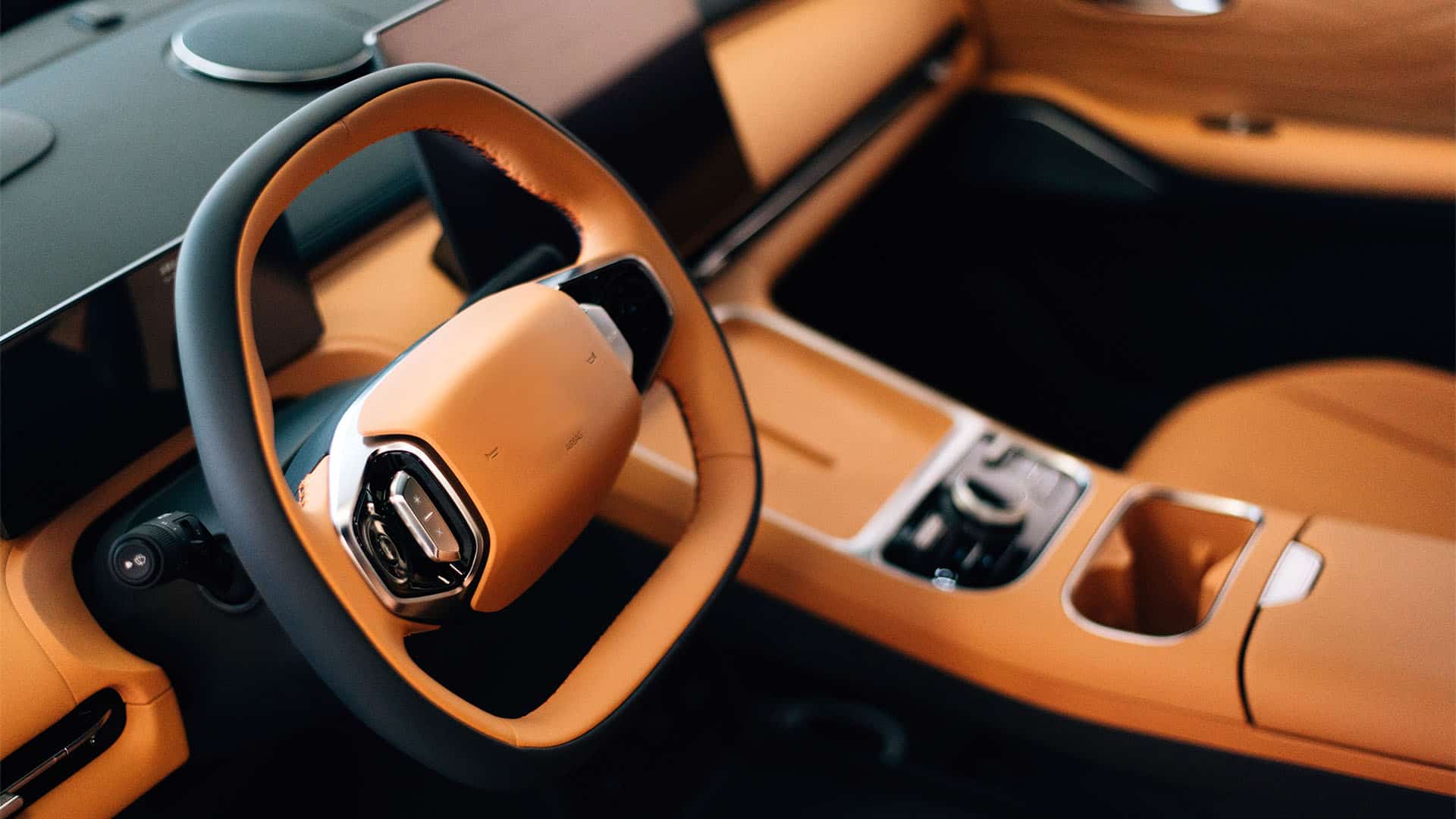
Modern cars now integrate technology that enhances safety, comfort, and convenience in ways many drivers don’t fully appreciate until they experience them firsthand.
A few decades ago, having air conditioning and cruise control was more than enough to make a car feel comfortable. As technology has advanced, however, the automotive industry has steadily introduced a wider range of features into modern vehicles. Today, cars are not only faster or more powerful; they are equipped with innovations designed to improve safety, convenience, and overall comfort.
1. Adaptive cruise control

Adaptive cruise control is an advanced version of traditional cruise control that automatically adjusts a vehicle’s speed to maintain a safe distance from the car ahead. Using radar or camera sensors, the system monitors traffic conditions and either slows down or accelerates as needed.
Instead of holding a fixed speed, the driver sets both a target speed and a preferred following distance. When another vehicle enters the lane or slows down, adaptive cruise control automatically reduces speed. Once the road ahead clears, it returns to the preset speed without the driver needing to touch the pedals.
This feature is particularly useful on highways or during long trips, where constant speed changes can be tiring. Smoothly managing acceleration and braking can help reduce fatigue and improve fuel efficiency. The technology offers a more relaxed and consistent driving experience, making long-distance travel noticeably easier and safer.
2. Blind spot monitoring
Modern cars often have larger blind spots than older models, due to design changes such as larger pillars or smaller rear windows. As a result, simply “turning your head and checking the mirror” may no longer cover all the critical zones. This is where the Blind Spot Monitoring System (BSM) comes in handy. It uses sensors mounted on the sides and rear of a vehicle to detect other cars in the driver’s blind spot. When a vehicle is detected, the system alerts the driver, often via a visual indicator in the side‐view mirror.

BSM uses radar or cameras, and the system constantly monitors areas not fully visible through rear- or side-view mirrors. If the driver activates a turn signal while a vehicle remains present, some setups issue an additional alert. In practice, a blind-spot monitoring system adds an extra layer of safety. It’s especially useful on multi-lane roads, where traffic in adjacent lanes frequently moves at high speed and driver visibility is reduced.
While BSM does not replace the need to check mirrors and look over your shoulder, it enhances awareness by alerting you to vehicles you might otherwise miss.
3. Heated steering wheel
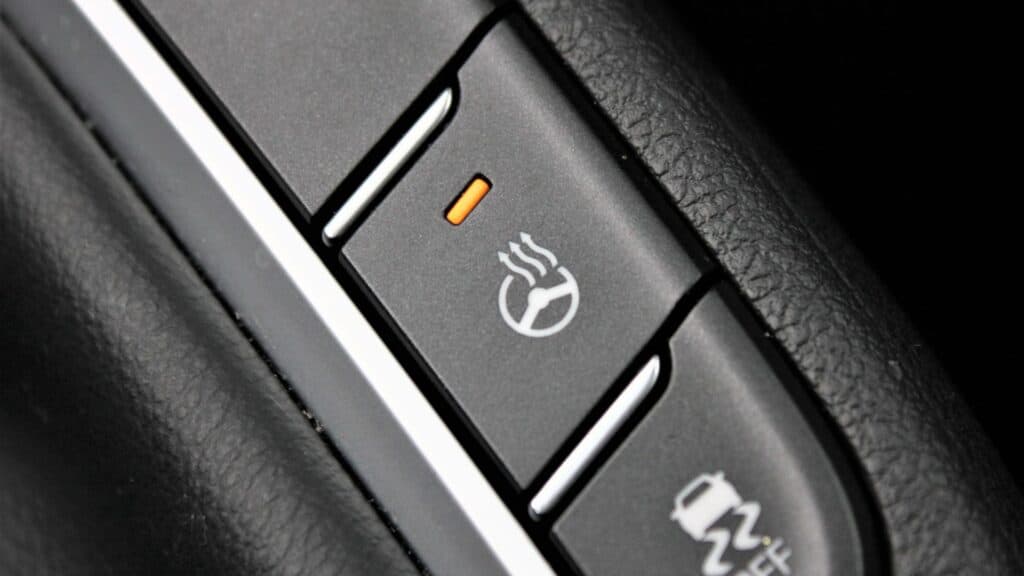
A heated steering wheel is a comfort feature that keeps the driver’s hands warm in cold weather. Using built-in heating elements, the system warms the wheel’s surface within minutes, providing relief from icy temperatures and improving overall comfort during winter driving.
While it may seem unnecessary in warmer climates, the feature can make a noticeable difference in colder regions, where steering wheels can become uncomfortably cold after a car has been parked outside. It allows drivers to maintain a steady grip without gloves, improving control and safety. Once experienced, many drivers find the convenience of a heated steering wheel difficult to give up during the colder months.
4. 360-degree camera system
A 360-degree camera system provides a complete overhead view of a vehicle and its surroundings. It makes parking and maneuvering in tight spaces far easier. The system combines images from multiple cameras placed around the car, typically in the front grille, side mirrors, and rear, to create a real-time composite image that appears as if viewed from above.
This feature is especially useful in modern cars and SUVs, which often have larger blind spots due to higher seating positions. Drivers can see obstacles that might otherwise be hidden, reducing the risk of collisions with curbs, walls, or nearby vehicles.
The system also helps prevent costly repairs. Modern bumpers and headlights are fitted with sensors and designed to absorb impact for improved safety, but they are more expensive to replace than the metal bumpers of older cars. With a 360-degree camera, drivers gain better awareness of their surroundings, protecting both their vehicle and their wallet.
5. Wireless Apple CarPlay/Android Auto

Apple CarPlay and Android Auto allow drivers to connect their smartphones directly to their vehicle’s infotainment system, displaying navigation, music, messages, and other apps on the dashboard screen. The feature can operate through a cable or wirelessly, giving drivers hands-free access to familiar phone functions without distraction. When working seamlessly, it provides an intuitive, clutter-free experience that integrates navigation and entertainment into the car’s system.
Despite its popularity, the future of these platforms is uncertain. Several automakers, including General Motors, have announced plans to phase out Apple CarPlay and Android Auto in upcoming electric vehicles, opting instead for their own built-in software systems.
For now, most vehicles still offer CarPlay or Android Auto, and many drivers see them as essential tools for modern commuting. They simplify daily driving, reduce phone handling, and bring a level of connectivity that’s hard to imagine going without once experienced.
6. Lane keep assist
Lane keep assist is a safety feature that helps drivers stay centered in their lane. Using cameras that track lane markings, the system detects when a vehicle begins to drift without a turn signal. If that happens, it provides gentle steering input or a slight vibration to guide the car back into position.
Unlike lane departure warnings, which only alert the driver, lane keep assist actively intervenes to prevent unintentional lane changes. It is especially helpful on long highway drives, where fatigue or momentary distractions can cause small steering errors.
The feature works particularly well when paired with adaptive cruise control, creating a semi-automated driving experience that manages both speed and steering corrections. Together, these systems reduce driver workload, improve safety, and make highway travel smoother and less tiring.
7. Pilot assists
Pilot Assist is an advanced driver-assistance system that combines adaptive cruise control and lane keep assist to provide semi-automated driving support. Using radar and camera sensors, it monitors the road ahead and the lane markings, adjusting speed to maintain a safe distance from the vehicle in front while gently steering to keep the car centered in its lane.
The driver still needs to keep their hands on the wheel and remain attentive, but the system handles much of the routine work during highway driving. It can accelerate, brake, and steer within marked lanes, making long trips more comfortable and less fatiguing. Pilot Assist performs best on well-marked highways and in steady traffic, where it can maintain smooth and consistent control.
By combining multiple safety technologies, the system reduces the need for constant manual input, helping drivers stay relaxed and focused. It’s not fully autonomous, but it represents an important step toward more intelligent, supportive driving systems that enhance both safety and convenience.
8. Ventilated seats
Ventilated seats use built-in fans to circulate air through small perforations in the seat material, helping keep the driver and passengers cool. It can prevent discomfort caused by sweating during long drives. Unlike traditional air conditioning, ventilated seats target the body directly, improving comfort without lowering cabin temperature.
The feature has become increasingly common in mid-range and premium vehicles, offering a simple yet effective way to enhance driving comfort.
9. Auto-hold brake function
Auto Hold is a driver-assistance feature that automatically keeps the vehicle stationary after coming to a complete stop, even when the driver releases the brake pedal. Activated through the braking system, it holds the car in place until the accelerator is pressed. This function is particularly useful in stop-and-go traffic or at long red lights, reducing the need for constant pedal pressure. By minimizing driver fatigue and improving comfort, Auto Hold adds a layer of convenience to everyday urban driving. It also helps prevent unintentional rolling on inclines, resulting in smoother, safer driving.
10. Keyless entry and push-button start
Keyless entry allows drivers to unlock and start their vehicles without removing the key fob from a pocket or bag. Using proximity sensors, the system detects when the fob is near and automatically unlocks the doors, while a push-button start lets the engine turn on with a simple press. The feature eliminates the need to search for keys, which is especially convenient when carrying bags or in bad weather. It also adds an extra layer of security, as the system uses encrypted signals that are harder to duplicate than traditional keys. Once experienced, keyless entry quickly becomes one of the most appreciated conveniences in modern cars.
These features go beyond luxury or novelty. Many are designed to enhance safety, reduce driver fatigue, and make daily driving more comfortable. Once experienced, they often become difficult to live without. While not every vehicle includes all of them, even a few can significantly change how drivers think about convenience and safety in their next car.
11. Automatic emergency braking (AEB)
Automatic Emergency Braking is one of the most valuable safety features in modern vehicles. Using radar, cameras, or lidar sensors, it monitors the road ahead for potential collisions with other vehicles, pedestrians, or obstacles. If the system detects an imminent crash and the driver doesn’t react quickly enough, it automatically applies the brakes to reduce the impact, or in some cases, avoid it entirely.
AEB is especially effective in preventing low-speed accidents, such as rear-end collisions in traffic. Many systems now also work at higher speeds and can recognize cyclists or animals.
12. Head-up display (HUD)
A Head-Up Display projects essential driving information, such as speed, navigation directions, and safety alerts, directly onto the windshield in the driver’s line of sight. This allows drivers to stay informed without taking their eyes off the road. Originally developed for fighter jets, HUD technology has become increasingly common in both luxury and mainstream vehicles.
By keeping attention focused forward, HUDs help improve reaction time and reduce distractions caused by glancing at the instrument cluster or infotainment screen. Some advanced systems even adjust brightness and layout automatically based on lighting conditions. Once you get used to having your speed or navigation displayed right in front of you, going back to a traditional dashboard feels surprisingly outdated.