

Why ‘man caves’ aren’t just hobby spaces—they often signal a deeper imbalance in relationships
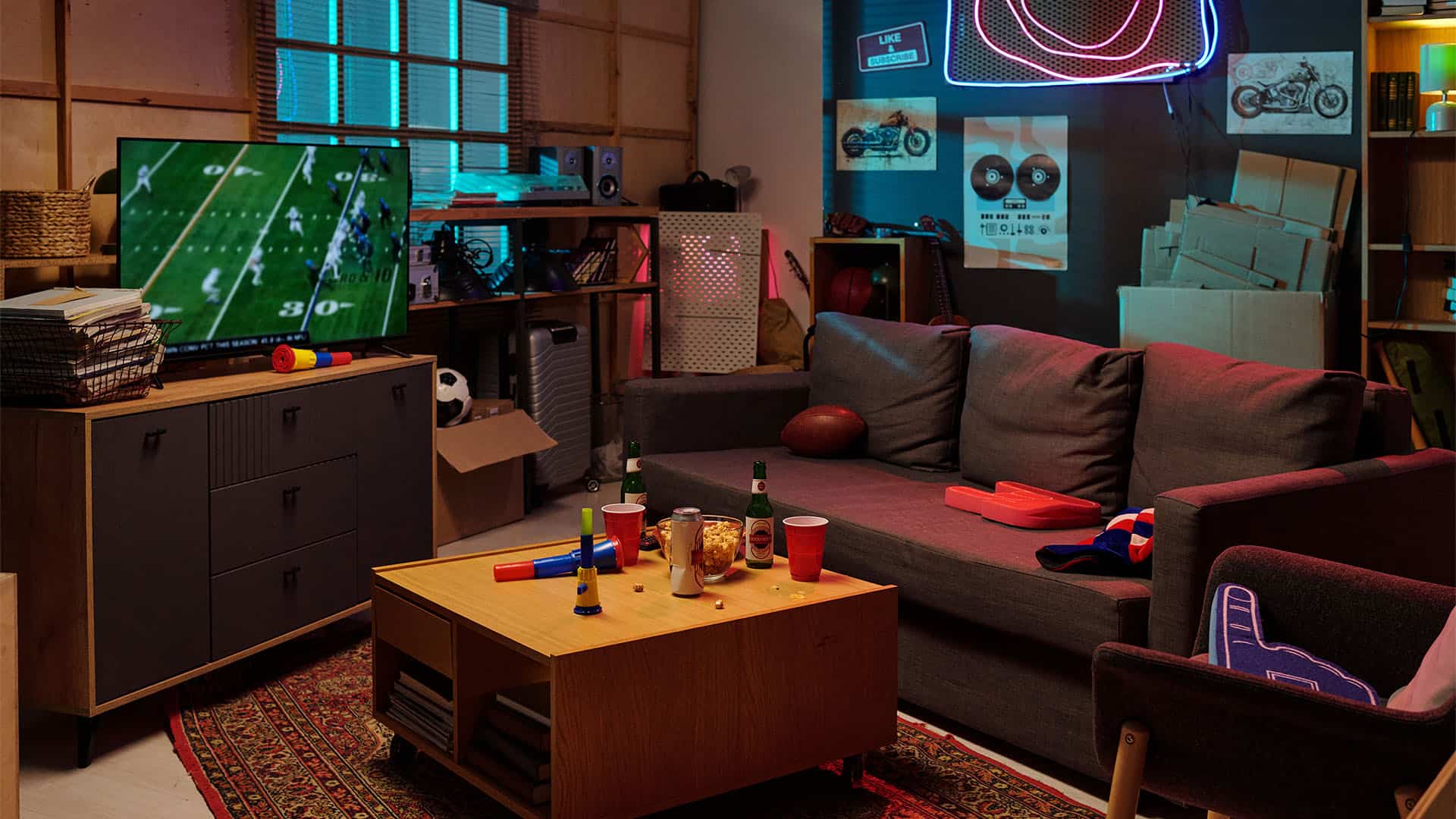
Man caves can either feel like a harmless hobby space or a quiet line being drawn, and which one it is says more about the relationship than the room itself.
Buying a home together is supposed to feel like a step forward together, where both people have a say in how the space is used. But for some couples, it quickly turns into a quiet tug-of-war over who gets what, and how much of it is truly theirs. A recent Reddit thread brought that tension into focus, starting with a simple question about a “man cave”.

In a recent Reddit thread, it was asked, “Am I in the wrong for telling my husband he can’t have a ‘man cave’ in our only spare room?” She went on to say that they recently bought their first home, which has two spare bedrooms. Her husband claimed one, calling it his “man cave.” She asked where her space would be, and he said she had the rest of the house to decorate.
That didn’t make her happy to hear, as she wanted a hobby room for herself as well. He said they could share the other spare room; however, he’s made it clear that his “man cave” is off limits to her.
She doesn’t think it’s fair that he has his own room while she doesn’t. He told her that all his friends have rooms, and none of their wives have complained about it. To make peace, she suggested that they each get their own spare room to do what they want, and they also put a guest bed in both rooms for guests, so it’s fair.
He says absolutely not, and that his man cave is his and his only. Now she’s wondering why she is expected to share when he isn’t?

Opinions online on man cave are quite clear
Over 1,000 people hopped on the thread to give their thoughts and opinions about the subject.
One person asked, “I’m curious, is your husband always this selfish or is this behavior new?” Good question. If he fights like this over everything, it has to get tiring.
Someone else wrote, “The biggest pro tip is you both get your own bedrooms… but I’m not sure I’d recommend that. You might get too comfortable being by yourself… but also… that might be for the better. He’s a big baby!”
Another pointed out, “I hate the concept of a man cave so much, because it often directly correlates with ‘”‘but the rest of the house is the wife ‘s'”…..because the wife is doing most of the household chores, which is somehow seen as oh she must just love being in the kitchen and living room?”

It’s not about the room itself
On the surface, this appears to be a disagreement over square footage. But in reality, it is a much bigger problem than the size of the room.
Having personal space in a home isn’t the issue, and in many relationships, it’s a healthy thing. The tension starts with how that space is defined and who gets to claim it.
When one person unilaterally takes a room and imposes rules on it in a shared home, it shifts from a preference to control. Saying “you have the rest of the house” might sound fair at first, but shared spaces don’t function the same way as a private one. They come with expectations and responsibilities that a closed-off room doesn’t. That’s where the imbalance starts to show.
That’s also why the idea of a “man cave” tends to get pushback. For some, it’s just a casual term for a hobby space. For others, it represents a pattern in which one partner carves out a space free of responsibility while the other continues to manage the shared parts of the home.
At that point, it stops being about a single room. It becomes about what that room allows. Who gets uninterrupted time, who carries the mental load, and who has to ask for space versus who simply takes it. When those dynamics feel uneven, even a small situation can take on more weight.
There isn’t one perfect setup that works for every household, but there is a common thread in what does work. It usually comes down to whether both people feel like they have equal footing in their own home.
That doesn’t always mean identical spaces, but it does mean mutual decisions. In some cases, that looks like each person having their own room. In others, it means everything stays shared. What matters is that the arrangement is agreed on, not assigned.

The bigger questions about man cave
In this case, the disagreement highlights a bigger question about fairness and shared ownership. It’s not just about who gets a room, but about how decisions are made in a space that belongs to both people.
What stands out is how quickly a small issue can reveal larger patterns. When one person feels like they have to negotiate for something the other simply claimed, it tends to create tension that goes beyond the original situation.
That’s why this conversation resonated with so many people. It reflects a common pressure point in relationships: how to balance independence with equality within a shared home.
Because in the end, it’s whether both people feel like they have the same level of say, comfort, and ownership in the life they’re building together.