10 once popular car brands that used to be everywhere — now gone forever

The rise and fall of car brands you used to see everywhere.
These car brands were once a common sight on roads and in advertisements. Some stood out for performance, others for affordability or innovation. Over time, economic shifts, changing tastes, and strong competition caused many of them to disappear. Some were absorbed by larger companies, while others simply went bankrupt. Their legacy can still be seen in the designs and technologies that influenced modern cars. This article looks at these brands and explains why they are no longer around.
1. Pontiac

Pontiac used to be one of General Motors’ standout brands, known for delivering bold styling and serious performance at an affordable price. It earned its reputation with iconic models like the GTO, Firebird, and Trans Am, which are all favorites among muscle car enthusiasts. For decades, Pontiac was the go-to brand for drivers who wanted something a little more aggressive than your average sedan.
But by the early 2000s, the brand had lost its way, caught between being sporty and appealing to everyday commuters. Without a clear direction, Pontiac started to fade from the spotlight. When the 2008 financial crisis hit, GM filed for bankruptcy and cut several divisions, including Pontiac. The last Pontiac was a G6 sedan that rolled off the line in 2010, marking the end of a brand that once defined American performance.
2. Saab
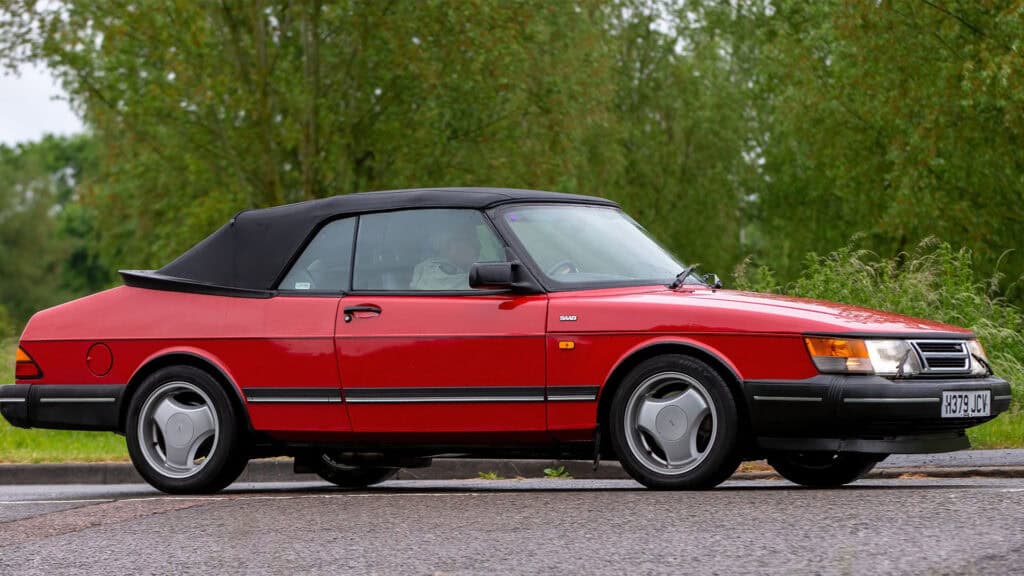
Saab started as an aircraft manufacturer in Sweden before entering the car world, focusing on quirky design and turbocharged engineering. For decades, it had a cult following, especially among drivers seeking something unique yet reliable. Their cars were unique and built to last.
In 2000, GM bought a controlling stake in Saab, but things went downhill quickly as budgets shrank and innovation stalled. After years of financial trouble and failed rescue deals, Saab’s automotive division declared bankruptcy in 2011. However, Saab AB remains strong and continues to manufacture cutting-edge military aircraft, such as the Gripen fighter jet.
3. Mercury
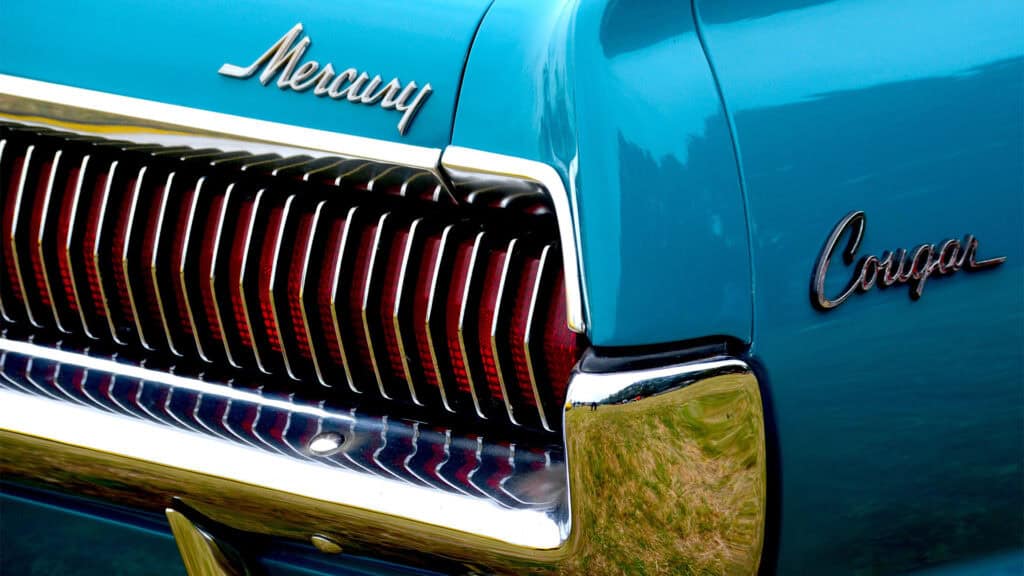
Created by Ford in 1938, Mercury was meant to fill the gap between everyday Fords and luxury Lincolns. It had a strong run in the mid-20th century, offering stylish and well-priced sedans and coupes like the Cougar and Grand Marquis. But by the 2000s, the brand had lost its unique edge, and most of its models were just rebadged Fords. Sales dropped, and younger buyers weren’t interested. Ford officially shut down Mercury in 2010 to focus on its core brands. The last vehicle was a Grand Marquis, ending a legacy that spanned over 70 years.
4. Oldsmobile
Oldsmobile was one of the oldest car brands in the world, originally founded in 1897, and for much of the 20th century, it was a reliable staple of the American auto scene. With innovations like the first mass-produced automatic transmission, Oldsmobile led the way in comfort and convenience. A Toronado also got a sort in Jay Leno’s garage for a reason.
However, by the 1990s, the brand was losing relevance as competition increased and younger buyers looked elsewhere. GM phased out Oldsmobile in 2004, making it the first brand in GM’s history to be completely retired. It was a quiet end for a company that had once helped shape the industry.
5. Saturn

Saturn was GM’s bold attempt in the 1980s to reinvent how cars were sold and built in America. With its plastic body panels, no-haggle pricing, and emphasis on customer satisfaction, Saturn was a fresh alternative to traditional dealerships. For a while, it worked. Saturn cars proved popular and successful in forming emotional connections with buyers, but actual sales never met the optimistic projected targets. Then the economic slowdown in the early 90s did not help either.
GM stopped investing in Saturn-specific models and began rebadging European Opels like the Astra and Vectra instead, diluting the brand’s original identity. When the 2008 financial crisis hit, Saturn was one of the first brands to be discontinued, officially ending in 2010.
6. Plymouth

Plymouth was Chrysler’s entry-level brand, known for producing dependable, affordable cars for American families for most of the 20th century. Models like the Barracuda and Road Runner gained a cult following in the muscle car era, but the brand lost steam in the 80s and 90s. As Chrysler restructured, Plymouth was squeezed out between Dodge and Chrysler’s main lineup. Production officially ended in 2001 with the Plymouth Neon LX in Illinois. It was a quiet goodbye for a brand that once put millions of Americans behind the wheel.
7. Scion
Scion was Toyota’s answer to younger, trendier buyers. It was launched in 2003 and sold exclusively in the United States and Canada. The brand targeted millennials with minimalist, affordable models like the xB, tC, and later the FR-S, all promoted through edgy marketing and strong ties to music and street culture.
Scion offered a no-haggle pricing model and emphasized customization, which helped it stand out in the early years. However, over time, its lineup overlapped too much with Toyota’s main offerings, and sales began to slide. Until 2016, Toyota produced more than 1 million Scion vehicles before folding the brand back into its core lineup, rebadging remaining models under the Toyota name, and ending the Scion experiment.
8. Hummer

Built on military roots and known for its massive size and no-nonsense presence, Hummer was never subtle, and that was the whole point. After actor Arnold Schwarzenegger famously pushed AM General to release a civilian version of the Humvee, the H1 was born. GM later introduced the H2 and H3, with a more accessible design but still oversized.
Rising environmental criticism and falling customer interest led to plummeting sales in the late 2000s. GM pulled the plug in 2010. The name has since been revived as an all-electric SUV under GMC with a hefty price tag of around $100,000 and features like the capability to drive diagonally.
9. DeLorean (DMC)
Most people know the DeLorean DMC-12 as the time machine from Back to the Future, but the real story is even more dramatic.
Founded in 1975 by former GM executive John DeLorean, the company promised a futuristic sports car with stainless steel panels and gullwing doors. Production delays, quality issues, and financial trouble plagued the brand from the start. Approximately 9,000 cars were produced between January 1981 and December 1982, although actual production figures are unclear and estimates differ. DMC went bankrupt in 1982, and DeLorean himself was arrested with criminal charges. Despite the short run, the car remains one of the most recognizable vehicles in pop culture.
10. Daewoo
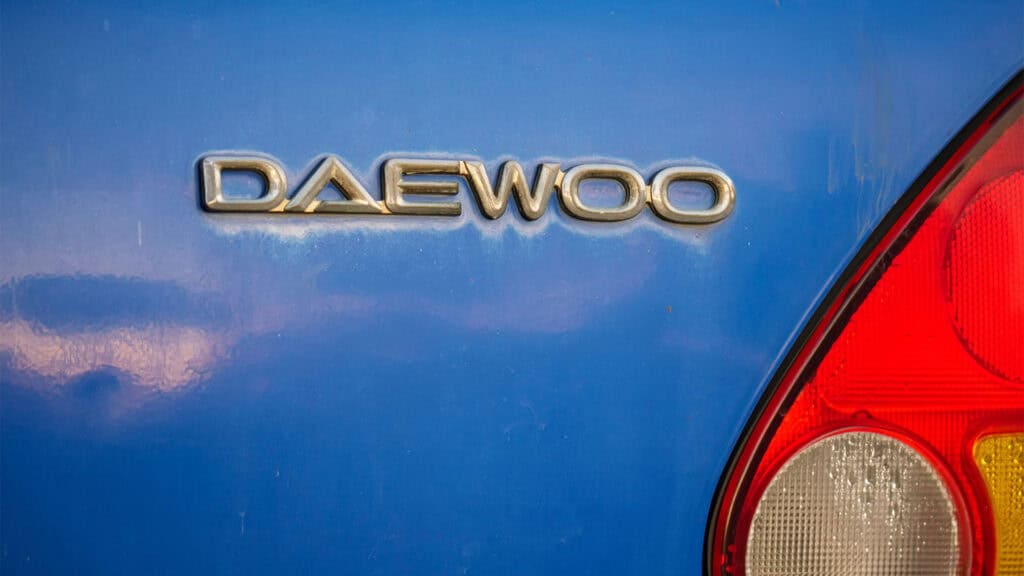
Daewoo was once one of South Korea’s largest conglomerates, and its automotive arm produced a wide range of budget-friendly cars through the 90s and early 2000s. While not known for luxury or performance, Daewoo cars were affordable and helped open global markets for Korean automakers. However, the Asian financial crisis in the late 90s devastated the company, and its car division was eventually acquired by General Motors in 2001. Many Daewoo models continued under other GM brands, such as Chevrolet and Holden. The Daewoo name was officially retired in most markets by the early 2010s.
These brands may no longer be in showrooms, but their legacy still echoes in today’s car designs, technologies, and culture. From muscle cars to futuristic concepts, each one shaped what we drive and how we think about driving.