The 24-hour rule: how one simple habit helped a man to save $6,700 over a year
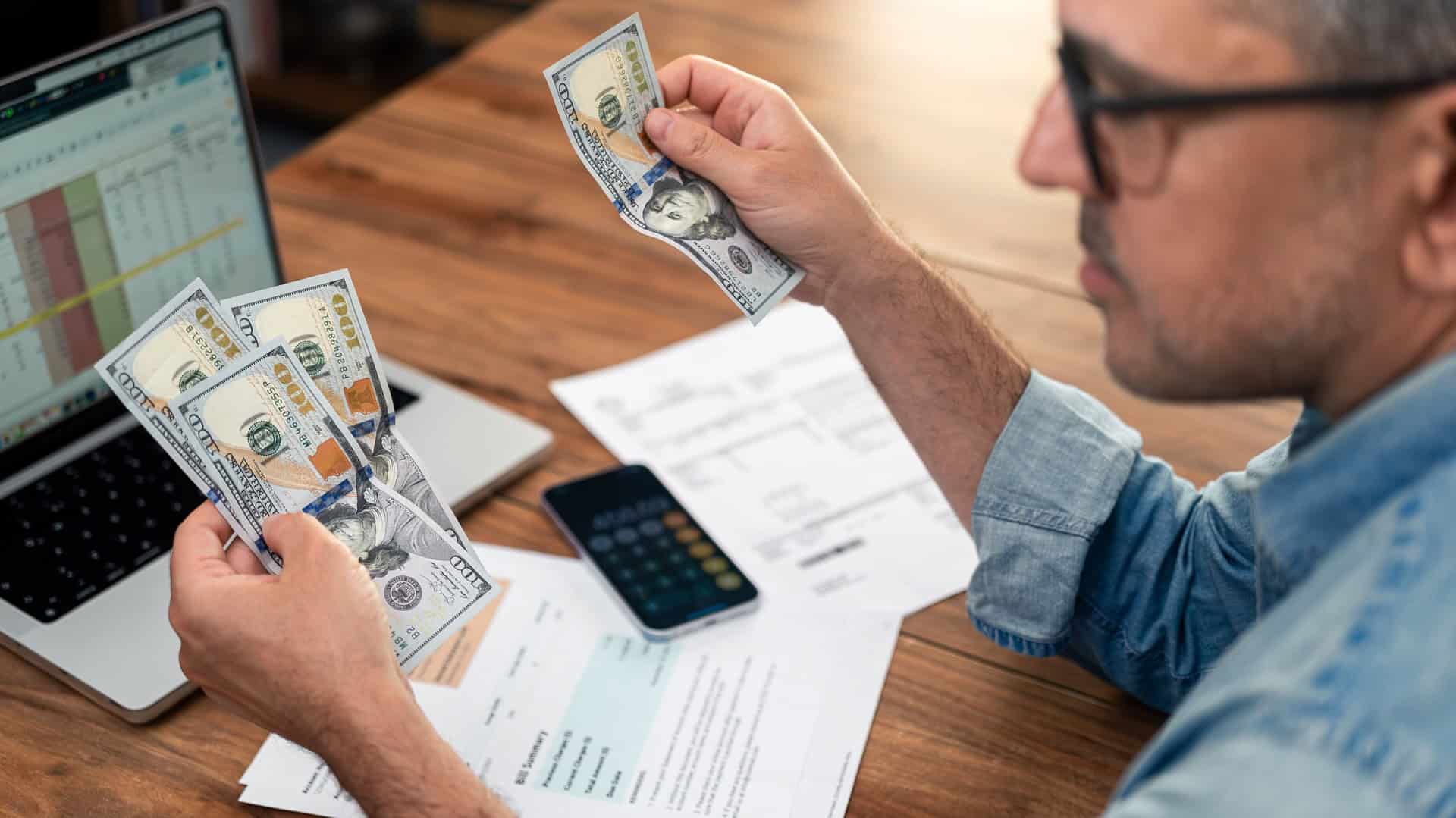
Adding just one deliberate pause between wanting something and buying it can prevent thousands in unnecessary spending, and countless people say this simple habit genuinely works.
Impulse spending can feel harmless in the moment when a flash sale pops up on your screen. With one click, the purchase is done before there’s time to think it through. This habit is tough to break right now for many. Holiday sales and “limited-time” deals are designed to trigger your sense of urgency.
One man decided to test what would happen if he simply didn’t act on that urge right away. No budgeting apps or strict spending bans, just a single rule that forced him to pause. Over the course of a year, that pause added up to $6,700 in avoided impulse purchases and saved money. His approach, shared in a Reddit thread that quickly resonated with thousands, showed why delaying gratification can be more effective than cutting spending outright.
The 24hr rule

In a post shared to Reddit thread r/Frugal, a user explained how a single rule helped him save $6,700 in one year. His system wasn’t complicated and didn’t require cutting out everything fun. The rule was simple. Wait 24 hours before buying anything non-essential over $30.
When he found something he wanted he added it to his cart and then closed the tab immediately. Then, he’d set a reminder for the next day. When the reminder went off, he asked himself one question, do I still want this as much as I did yesterday? Then, he tracked the results. Over the course of a year he abandoned 83 items, he still bought 19 of them after waiting, and he forgot about 64 completely and the total money saved came out to $6,732. What surprised him most wasn’t the savings but how fast the desire disappeared. Items that felt urgent in the moment barely crossed his mind a day later.
How it works
Psychologically, the rule creates distance between emotion and action. Impulse buys are often driven by things like stress or mental boredom, and waiting interrupts that cycle. Several commenters on the thread pointed out that losing interest in an item is actually the point. One wrote, “If I forget it, it’s obviously not that important to me.” Another said they window shop online, add items to a cart, and then let them sit. If they come back to it days or even months later, it’s usually because they genuinely want it, not because it was pushed by a sales banner.
Others mentioned that forgetting entirely is the strongest filter of all. “Best way to not fall for sale tactics? Forget the sale exists,” one commenter joked, noting how ADHD unintentionally helped them avoid impulse purchases. The delay also gives buyers time to think rationally about the item, rather than riding the high from seeing it and hitting purchase immediately. The original poster explained that for items he did end up purchasing, the wait allowed him to research alternatives, find better prices, or realize the purchase didn’t actually fit his space or lifestyle.
Waiting reduces spending

Some of the biggest savings came from items that felt logical in the moment to the original poster of the thread. He almost bought a $1,200 ultrawide monitor, only to realize after waiting that his desk couldn’t even fit it. He also avoided an $800 espresso machine after calculating it would take more than three years of daily use to break even compared to his local coffee shop’s $2 special.
Those realizations came from time, and he didn’t have to fight himself or assert a crazy amount of willpower over his spending… he simple waited. As the OP later explained in the comments, many purchases only feel urgent until you “sleep on it.” Once the emotional spike fades, it becomes more obvious that most items we buy impulsively aren’t a “need”.
Reactions
Many commenters shared their own ways to save on sporadic spending. One user said they don’t save card information on their phone and keep their wallet tucked away. The extra effort is often enough to kill the impulse. Another noticed that once they stopped memorizing their card number, their spending dropped significantly.
Others reframe the decision entirely. A popular tactic among commenters in the thread was asking themselves, do I love this, or do I just like it? For clothing, some shoppers ask if they’d wear it out of the store immediately or if it’s well-made enough to last years. One parent in the thread shared how they apply delayed gratification with their kids. The child can say “I like this,” but not “I want this.” Sometimes they take a photo and revisit it later, most of the time, the request never comes back.
Several commenters also pointed out the difference between impulse and intention, because waiting doesn’t mean never buying. One user said they had been thinking about a $1,200 purchase for months and were actively budgeting for it. The OP responded that this was exactly the distinction, consistent desire is different from sudden urgency.
Why it matters

Unchecked impulse spending matters so much because many Americans already carry high levels of credit card debt, and the holidays can make that worse with the pressure to act on impulse. The total U.S. credit card balances reached approximately $1.23 trillion in 2025, the highest level since tracking began. This reflects steady growth over recent years as consumers rely more on credit for purchases.
Nearly half of credit card users now carry a balance from month to month, with many holding that debt for extended periods, meaning interest can accumulate quickly on purchases made impulsively. During the holiday season in particular, a recent survey shows that a large share of consumers take on seasonal debt, with many expecting it will take months or longer to pay off.
Together, these trends show how easily last-minute buying and “must-have” deals can quickly turn into lingering financial stress, making a simple waiting rule like the one in this story even more relevant. But the 24-hour rule is a tool you can use to turn that holiday spending urgency on its head. If an item truly matters, it will still matter tomorrow. If it doesn’t, the money stays where it belongs.
Takeaway
The most striking part of this story is how little effort it took to save so much. No extreme budgeting, no guilt, just an intentional pause. The rule works because it respects human behavior instead of fighting it. It assumes impulse will happen, and builds a buffer around it. As one commenter summed it up, “just because something is on sale doesn’t mean you have to buy it.”
In a world engineered for instant spending, waiting, even briefly, can be a powerful form of control. And sometimes, forgetting is the best financial decision you’ll ever make. Not every delayed purchase should be abandoned and some things are worth saving for, budgeting for, and buying thoughtfully.
Separating impulse from intention can mean the difference between a credit card balance that keeps climbing and thousands of dollars that stay in your pocket. So, next time you think you “need” something that pops up on your screen or feel the urge to spend impulsively on something big, wait on it. Give yourself 24 hours and see if it feels as much of a necessity tomorrow as it does today.