
See a dog in a hot car? The exact steps to take before smashing the window
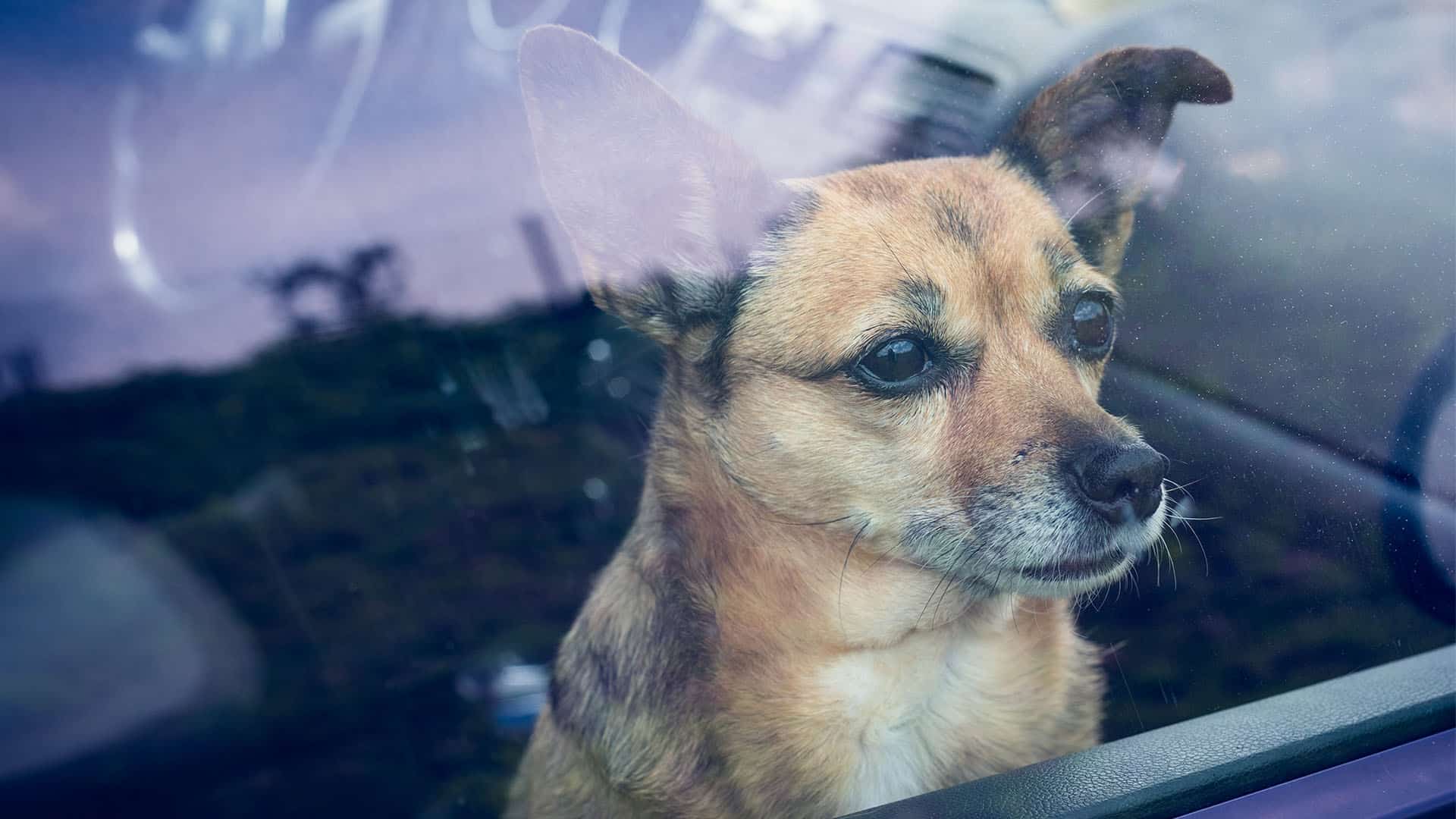
A trapped dog can be in serious danger within minutes, but knowing the right actions to take first could save the animal while keeping you on the right side of the law.
Most people have been in this situation at least once. You walk through a parking lot on a hot afternoon, glance at a parked car, and see a dog inside. Windows up or barely cracked, the animal panting in the heat while its owner is somewhere inside a store, presumably unaware or unconcerned. The feeling it produces is immediate and hard to shake. The gap between wanting to help and actually helping in the right way is where things tend to go wrong.
Know where you stand before you ever need this
In most US states, only law enforcement and animal control officers can legally enter a vehicle to rescue an animal. However, a civilian who breaks a window without that legal cover can face civil liability. A small number of states have Good Samaritan laws that protect bystanders who intervene, but most of them require you to call law enforcement first before touching the car. The Animal Legal Defense Fund keeps an updated state-by-state breakdown. And while you’re at it, save your local non-emergency police number in your phone. Those thirty seconds of preparation matter more than anything else.
Not every situation is what it looks like
Before doing anything, take fifteen seconds to actually understand the situation. A parked car on a sunny day can heat up quickly, and when the outside temperature is around 85 degrees Fahrenheit, the interior can reach over 100 degrees in a few minutes. Cracked windows do not really help, and the conditions can be genuinely dangerous even when the dog looks relatively calm.
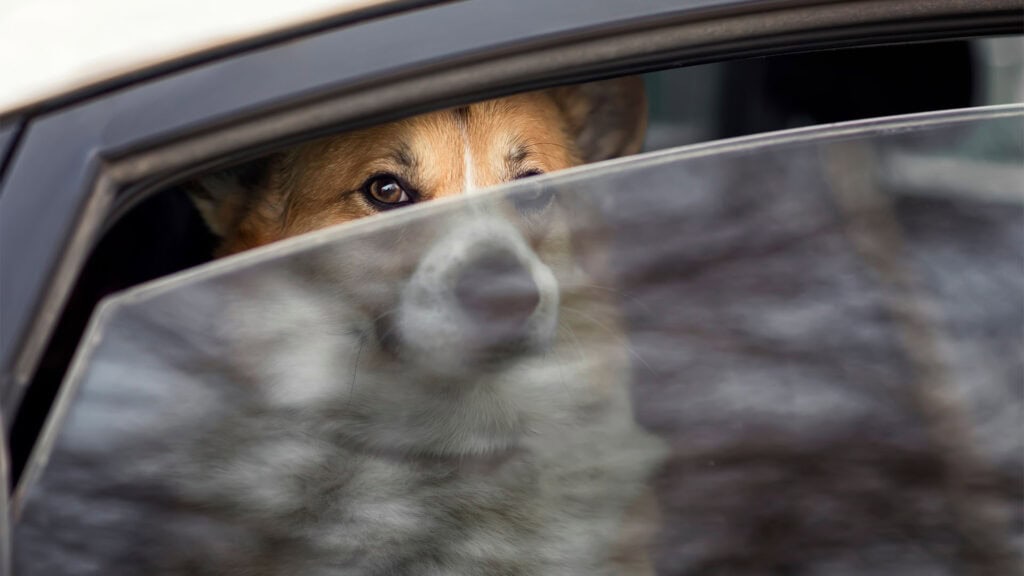
Signs of real distress are worth knowing: excessive panting with the mouth wide open, heavy drooling, glazed or unfocused eyes, the dog lying flat and not responding to movement outside the car. An alert dog that’s panting lightly may still be in a dangerous situation, but the urgency of what comes next is different.
This is also the moment to check something most people don’t know to look for. If it is a modern car like a Tesla, look for a message on the screen that reads: “My owner will be back soon. Don’t worry. The AC is on, and it’s X degrees inside.” Tesla’s Dog Mode keeps the climate control running at a safe temperature and displays that message specifically to prevent well-meaning interventions that aren’t needed. Several other manufacturers, including GM, Volvo, and Hyundai, have introduced similar features. If that message is there, the situation is not what it appears to be.
Call first, then work the situation
The moment you decide something is wrong, call local police or animal control, not after you have acted. This is what makes your next moves defensible, and it gets trained help moving toward you while you continue working the problem.
While that call connects or while help is in transit, walk into the nearest store and ask the staff to make a PA announcement with the vehicle’s make, color, and license plate. Owners who would never hear a stranger knocking on their window regularly respond to their plate being read over a store intercom. It works more often than you’d expect.
Then check the doors. All of them, not just the driver’s side. It sounds obvious. It gets skipped constantly because urgency narrows attention. If none of that has moved the situation forward, take thirty seconds to document what you’re seeing before touching anything. A short video with a visible timestamp showing the dog’s condition creates a clear record of why further action was necessary. It takes almost no time and carries real weight if the intervention is later questioned.
When the window has to go
If the dog is unresponsive or actively collapsing and help is still minutes out, the decision to break the window becomes straightforward. How you do it matters. Choose the smallest window and furthest from the dog. A broad swing at the center of a car window is far less effective than a hard, pointed strike at one of the corners. The corner punch tool that many people keep on a keychain for exactly this reason, or the pointed tip of a headrest pulled from its bracket, or a sharp rock applied with focus rather than force, all work significantly better than brute impact. Break, reach, unlock, and open the door rather than pulling the dog through broken glass.
Once the dog is out, the priority is cooling it down without overcorrecting. Move to a shaded area, offer small amounts of cool water, and apply cool, damp cloths to the paw pads, the neck, and the underarms, where blood vessels run close to the surface. Avoid ice or very cold water. The reflex to use cold is understandable, but it constricts blood vessels near the skin, slowing the body’s ability to cool itself. Get to a veterinarian as quickly as possible, regardless of how well the dog appears to be recovering. Heat stroke in dogs can cause internal damage that isn’t visible in the animal’s behavior for hours afterward.
Stay with the dog and the car until law enforcement arrives. The window is a minor inconvenience. Leaving the scene before anyone official has documented what happened is where legal exposure becomes a real problem.