
Louis Theroux exposed the Manosphere — and the internet reacted exactly how you’d expect
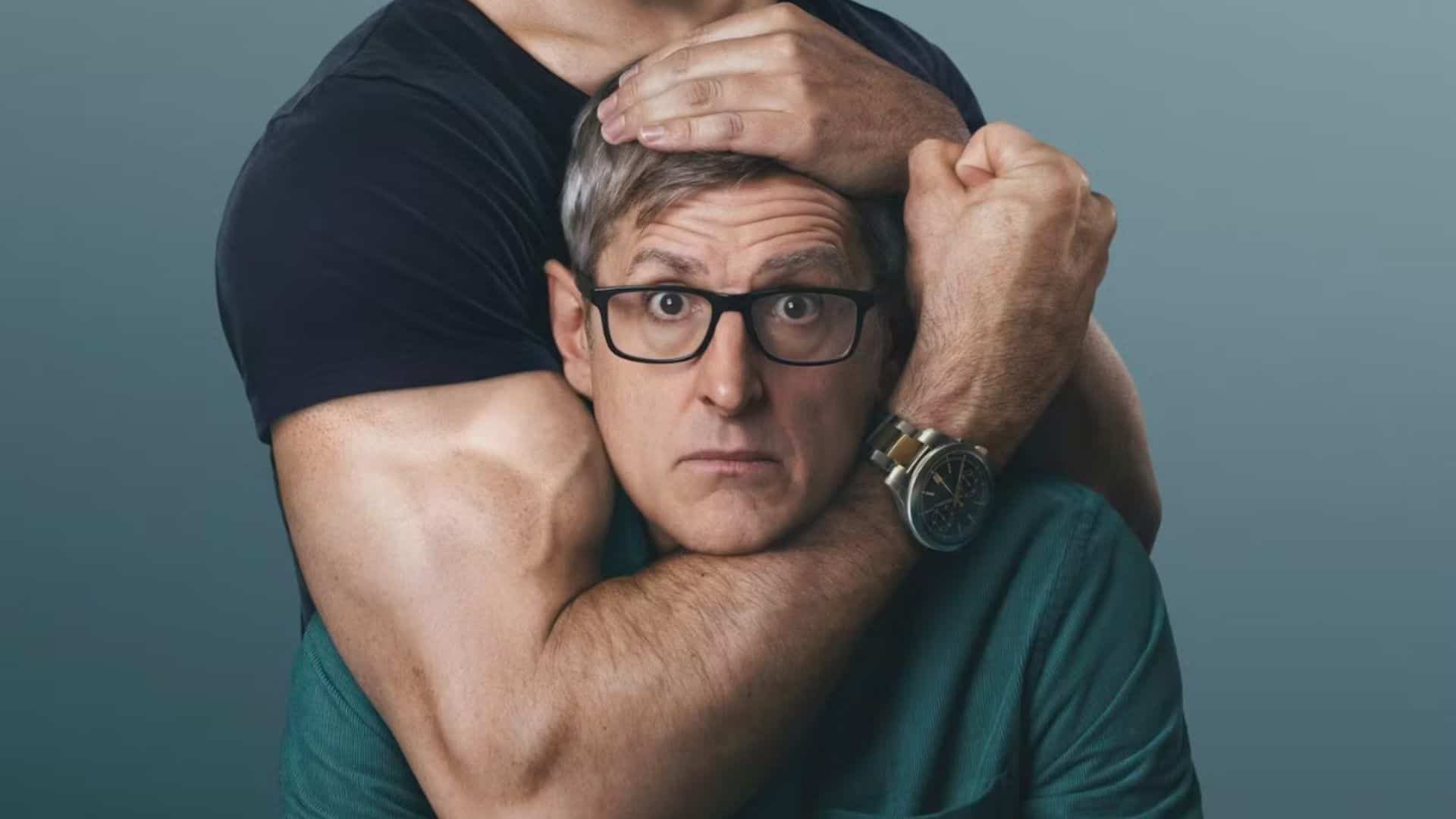
The documentary sparked debate across media and social platforms about who the manosphere really hurts, and what nobody is saying loudly enough.
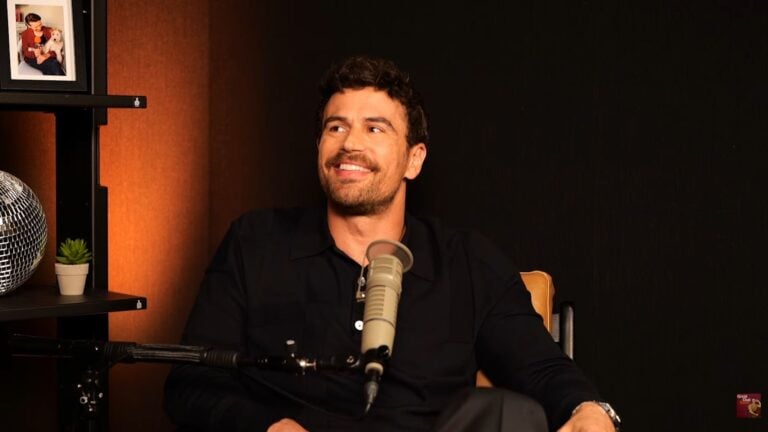
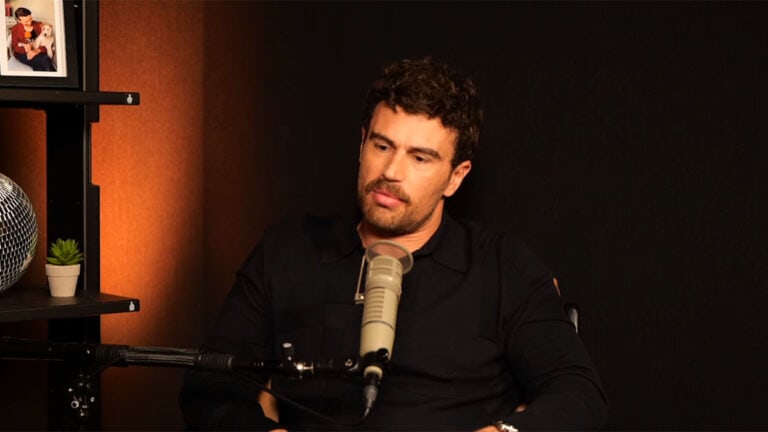
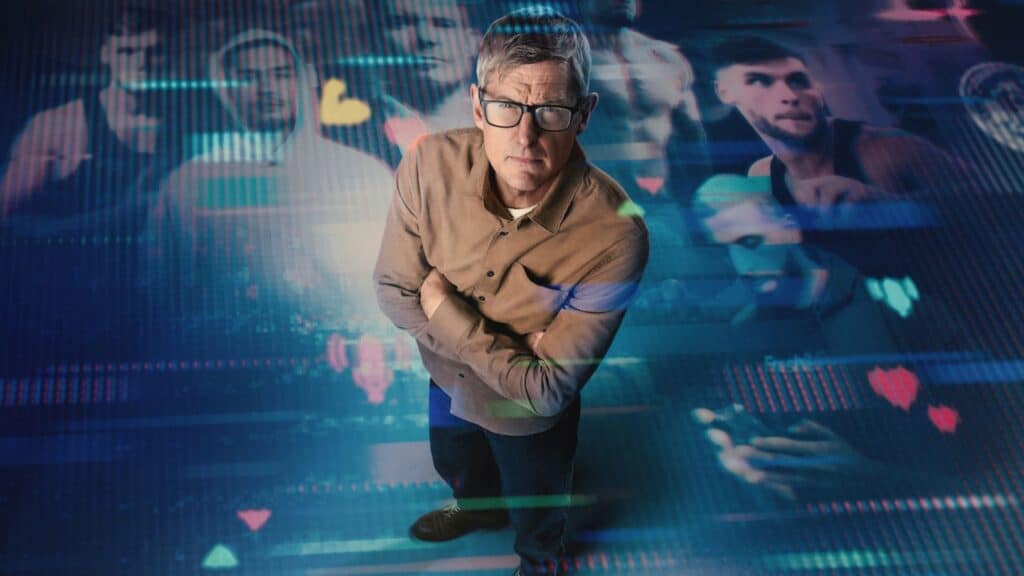
Louis Theroux’s Netflix documentary ‘Inside the Manosphere‘ dropped on March 11, 2026, and people have not stopped talking about it. Over 91 minutes, he spends time with TikTok streamer Harrison “HS TikkyTokky” Sullivan in Marbella, flies to Miami to meet podcaster Myron Gaines and wealth influencer Justin Waller, and sits down with Sneako, a 27-year-old creator who has moved from gaming content to red-pill rhetoric to more controversial topics.
Theroux describes the manosphere as “a group of almost exclusively male influencers who provide content about masculinity, business, and self-improvement”. However, the film also reveals a darker side to some of these views, sparking much discussion among viewers.
Missing the impact on women
The documentary features many unusual and uncomfortable moments, but people are concerned about who actually pays the price for this kind of content. While the film gives serious screen time to the creators, their backstories, and their insecurities, it pays remarkably little attention to how it affects women on the receiving end. That choice lets the influencers speak at length about their worldview while leaving out the people most affected by it.
There should have been more conversation about the women who never opted into the manosphere but live inside its consequences anyway. The girlfriend realizes her partner has been watching this content for years. The teenage girl in a classroom full of boys who have absorbed these ideas about what women are for. The woman who posts anything online and finds the comment section has already decided who she is.
The depth of this impact, how far it reaches, and how it silently influences the way young men talk to and think about women in everyday life are conversations that haven’t yet been fully explored by anyone with a significant platform.
“They’ve built their own matrix”
On TikTok, many people have shared their thoughts about how these influencers are taking advantage of young men. Instead of offering new ideas, these influencers have created a system that profits from people’s struggles while pretending to help them.
Young men are told they were born without value, that the world is against them, but that this particular influencer genuinely cares about them. The difference between the pain they feel and the false hope these influencers offer is where the money is made. As Kieran Holmes, a famous TikToker, put it, they are “weaponizing that hope,” playing a father-figure role while selling products that do not benefit the buyer. It, in fact, funds more content to lure such viewers so they can profit from their misery.
These influencers have built their brands around the idea of escaping a “matrix” and rejecting the notion that powerful people hold ordinary men down. In reality, this is exactly what they’re doing to their massive following.
“We’ve given them oxygen”
The most emotionally charged response came from an entrepreneur, Simon Squibb, with 21 million followers, who watched the documentary on a treadmill and turned it off the moment his eight-year-old son walked in. According to Simon, by featuring these controversial figures on Netflix, the documentary gave them the attention they desperately needed.
Take the case of the man behind the HS TikkyTokky account, who was losing popularity. Then, Louis Theroux went to his house, and suddenly, he’s selling a trading course. Instead of shining a light on the negative impacts of such figures, the documentary actually helped boost their status.
Simon’s argument is about the kinds of stories we choose to tell. Major platforms like Netflix often highlight scammers and fraudsters. Each time they do, it signals to young people that doing bad is how you get noticed. Simon shared his own journey, explaining that he spent 6 years building an audience by genuinely helping people for free, without ever selling anything. His frustration was palpable, as those doing good are being overshadowed, especially when Netflix gives their less virtuous counterparts a platform for global visibility.
“That is not masculinity. That is insecurity”
Thomas Baulch of Prime Train, who watched this documentary, expressed his disgust at what was displayed on screen: the unhealthy relationships, negativity, and dominance over women. He argues that masculinity is not at all what these so-called influencers have portrayed; it’s about discipline, responsibility, self-control, and respect.
More importantly, we need to acknowledge what young men are actually seeking when they turn to this kind of content. They want guidance and a sense of belonging. Those are genuine desires that deserve to be met.
However, the issue lies in who is stepping in to fulfill those needs. Teaching men to be tougher should not make them feel bitter or resentful toward those around them. The men influenced by this kind of material aren’t becoming stronger; they’re just becoming angrier and headed in the wrong direction.
Preparing women for a world that hates their existence online
While the documentary spent its runtime trying to understand the men producing this content and the boys consuming it, one conversation was almost nowhere to be found. Nobody is sitting young women down and explaining what is coming. Before posting their first photo online, using dating apps, or even deciding to marry, no one tells them there’s a whole online world that has already judged them and their worth.
The manosphere is not just limited to online platforms. It affects how girls are spoken to in school hallways, in the entitlement some men carry into relationships, and in the comments under any woman who dares to exist publicly on the internet. Girls are handed a phone and pointed at a world that is, in many corners, actively hostile to them, without any guidance or preparation.
While the documentary questioned how these men developed their views, a more pressing concern is how we’re preparing young women to navigate and thrive alongside them.