
How wearable tech and fitness apps helped me stay consistent
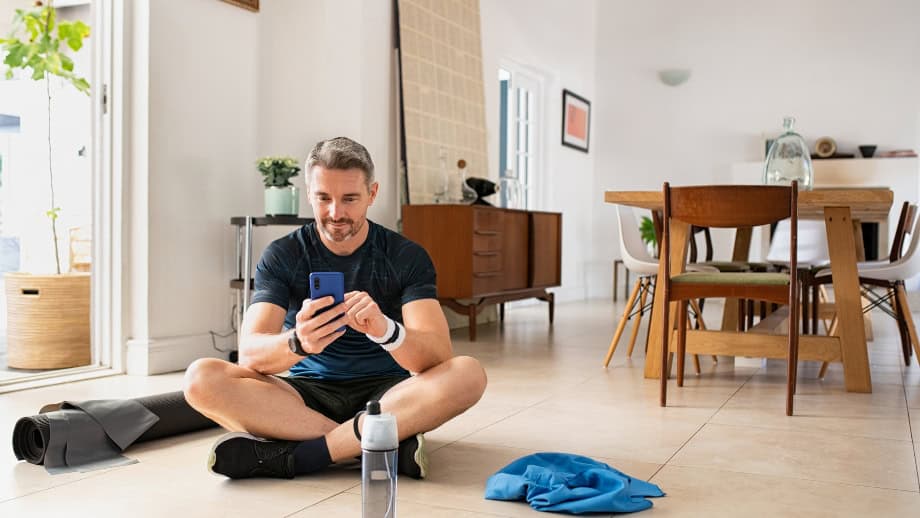
What changed things wasn’t a new workout plan, but the structure that wearable tech and fitness apps added to my daily routine. Seeing real-time data, setting small goals, and getting reminders made it harder to ignore the habits I was trying to build. Over time, those small nudges turned into a system that kept me accountable, even on days when motivation wasn’t there.
Track steps daily

One of the simplest changes I made to stay active was to start tracking how much I move each day. At first, I wasn’t sure if it would really make a difference, but once I started using a wearable device, I was hooked. It quietly counted my steps without me having to press buttons or check an app constantly. I could just go about my day and glance down whenever I wanted to see my progress.
Setting daily step goals and getting little alerts when I was close to hitting them made it almost like a game. Over time, I realized how small changes — like taking the stairs or going for an extra walk — actually added up. Walking suddenly felt more rewarding because I could see the difference it was making.
Monitor heart rate in real time
One thing I didn’t expect when I first started using wearable tech was how helpful it would be to track my heart rate throughout the day. It’s been eye-opening to watch how my heart rate changes depending on whether I’m working out, resting, or just moving around. Somehow, I even get addicted to checking my heart rate, and started to better understand how my body feels. I never needed complicated medical charts or settings and just a quick glance at the simple display kept me aware and motivated to keep going.
Set and achieve fitness goals

Once I started using fitness apps and wearable tech, setting clear goals became so much easier for me. Instead of feeling overwhelmed by huge milestones, the apps helped me break everything down into smaller, manageable steps. Daily workouts, step counts, or just staying active for a few more minutes each day meant a lot for me. Every time I finished something, it automatically logged my progress, and seeing those little achievements stack up really kept me motivated.
I loved the small buzz on my wrist whenever I hit a goal because it felt like a little celebration without pulling me out of my day. It’s amazing how much steadier and more achievable progress feels when it’s measured in simple steps.
Use sleep tracking
I didn’t think much about sleep tracking until I noticed how often I woke up feeling tired, even after what seemed like a full night’s rest. Once I started using a fitness app with sleep tracking, I realized how much it could actually help. My wearable quietly tracked how long I slept, when I woke up, and even how steady my sleep was. All without me having to do anything extra.
In the mornings, I could check the app and see patterns from the week, which made it easier to spot what was throwing me off. Having that information helped me build a steadier routine and plan my days better. Just being aware of how much real rest I was getting made a huge difference in my energy.
Track calories and nutrition
Fitness apps often include tools to log what you eat and drink. You can add items by searching or scanning barcodes. The app adds up totals and helps you see patterns over time. Many wearables sync with these logs and show food data alongside your movement. You stay aware of what you take in and how it fits into your day.
Some apps let you save meals and repeat common entries to make tracking easier. It becomes a daily habit instead of a big task. The goal is to stay informed without pressure and keep yourself healthy.
Monitor stress levels

Some wearables include features that monitor signs of stress throughout your day. The app estimates changes using movement, heart rate, and other signals. You get alerts or logs when your levels rise or fall. It can help you see which times of day feel more demanding. You can review the patterns later to understand what affects your energy.
The feature runs in the background, so you do not need to check often. Knowing when your body feels off can guide planning breaks or quiet time. Awareness grows without the need for heavy tools or detailed reports.
Analyze long term progress
Every day, my wearable quietly tracked my steps, workouts, and active minutes, and then the app pulled it all together into simple weekly and monthly summaries. I could look at the charts and instantly see how much ground I had covered, even when it didn’t feel like I was doing that much day-to-day, and having everything laid out so clearly made it easier to stay focused and reminded me that every little bit adds up over time. Seeing my daily effort turn into something bigger kept me pushing toward my goals, even on the tough days.
GPS for outdoor activities
One feature I didn’t think I’d use much, but ended up loving, was the GPS tracking on my wearable. Every time I went out for a walk, run, or bike ride, it automatically mapped my route without me needing to carry anything extra. As soon as I finished, I could pull up the app and see exactly where I had been, how far I had gone, and how long it had taken.
Over time, it became a fun way to look back on my routes and even challenge myself to go a little farther or a little faster. Some days I shared my maps with friends for a little extra motivation, and other times I kept them just for myself. Having that outdoor tracking added a whole new layer to my routine, and seeing those little maps pop up after each session felt like a small, rewarding reminder of how far I had come.
Stay motivated with reminders
One thing that made a bigger difference than I expected was setting up gentle daily reminders through my wearable and fitness app. Little prompts would pop up reminding me to move, stretch, or even take a short break, and because they were quiet and easy to follow, they never felt like a distraction. I could adjust how often they showed up and even tweak the timing to fit around my daily routine. Over time, those small nudges helped me keep my energy steady without feeling pressured. It made staying active feel a lot more natural and manageable.
Looking back, fitness routines became much more reachable once I had the right tools in place. Wearables and apps never replaced the effort I had to put in, but they made tracking progress and staying consistent so much easier. It was like having a quiet support system on my wrist, helping me move with more purpose without ever feeling judged. Small steps eventually turned into strong habits, and the results started to show right in front of me. It’s amazing how much easier it is to trust the process when you can actually see how far you’ve come.