
How To Childproof (Or Pet-Proof) Your Home Like A Pro
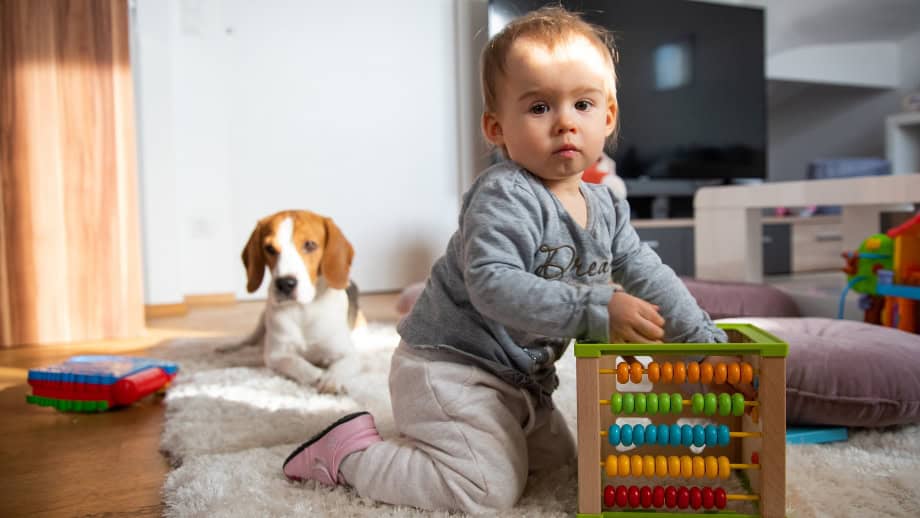
Your home should be a safe place for your children and pets. Childproofing a house is an important job that requires proper guidance. Everyday objects can become hazardous if you take the right precautions. You do not need to spend much money to make your home safer. Simple changes help prevent injuries and give you peace of mind. Here are the best ways to protect your home for children and pets.
Anchor Furniture and Appliances

Tall furniture can tip over if a child climbs on it. A playful pet can also knock over unstable objects while running around. You should anchor heavy furniture to the wall. Bookshelves and cabinets need extra support to prevent them from falling. You should also secure appliances like a television and a music system. If a child or pet pulls on them, these heavy appliances might fall and hurt them. You can use straps or brackets to keep everything in place and keep them safe.
Install Safety Gates
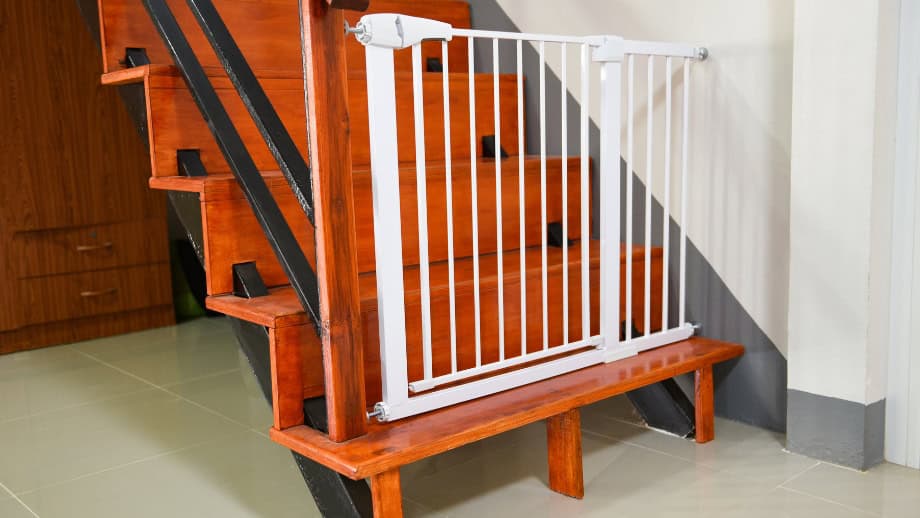
There is a huge risk of kids and pets hurting themselves on stairs. You need to install safety gates on stairs so they do not hurt themselves. A strong gate helps block unsafe areas and stop them from accessing. When you install, choose a tall gate so that it is not easy for kids or pets to climb. If you have pets, ensure the gate does not have large gaps. Temporary gates work well for quick adjustments. Gates attached to the wall provide more security if you need something long-term.
Cover Outlets and Secure Cords
Your kids and pets will keep moving around, and it is difficult to control their every move. Electrical outlets are within reach of children and pets. Their tiny fingers and paws can fit inside, which makes it a safety concern. Covering outlets is an easy way to prevent accidents. You should also secure loose cords or keep them out of sight. Wires that dangle can be tempting for kids and pets. If you cannot keep them away, using cord covers or wrapping wires helps keep them safely tucked away. It will help you keep your kids and pets safe from electrical accidents.
Lock Cabinets and Drawers
You must have seen that your kids and pets love exploring cabinets and drawers. They may find sharp objects or small items that can be harmful. You can use locks to prevent them from opening doors and drawers. Another good way is to lock the lower cabinets in the kitchen and bathroom. Magnetic locks also work well because kids and pets find it difficult to open them. It is always wise to store hazardous items on high shelves to stay safer.
Use Corner Guards

Sharp furniture edges can cause injuries if a child or pet bumps into them. Coffee tables, countertops, and shelves often have pointed corners. Soft guards on the edges help reduce the risk of cuts or bruises. Rubber and silicone protectors work best because they are soft and long-lasting. If you have a pet, corner guards can prevent them from chewing on the furniture.
Remove Choking Hazards
When you are not around, you need to ensure that your pets or kids do not put anything hazardous in their mouths. Small objects can be dangerous for both children and pets. Coins or batteries can become choking hazards. You must always check the floors and under furniture for tiny objects before you leave them alone. Avoid leaving wrappers or loose change where they can reach. The best way to keep them safe is to keep small and sharp items out of sight.
Store Chemicals Safely
Everyone has a list of chemicals that are used daily in their houses. It is really important that you store the cleaning products in a safe place. Many household chemicals can be dangerous if swallowed. Even basic products like dish soap and laundry detergent can be harmful if ingested. It would be best to keep these items in locked cabinets or high shelves. You can use non-toxic cleaning supplies to make your home safer. Kids and pets don’t understand what is safe or unsafe for them. So, you need to be cautious about what you keep accessible to them.
Choose Safe Indoor Plants

Some common houseplants can be toxic to pets and kids. Plants like lilies and aloe vera can be harmful to pets. Children may also try to put leaves or soil in their mouths. Before bringing plants into your home, check if they are safe. Some of the best pet-friendly and child-safe plants include spider plants and Boston ferns. Make sure that you put the plants on shelves to reduce the risk of accidental ingestion. Infants and pets have a habit of putting everything in their mouths. Do not keep any such plants within their reach.
Secure Windows and Blinds
Windows and blinds can be risky for your kids and pets if you do not secure them properly. An open window without a lock can lead to falls. Window guards or locks help prevent such accidents. You should also secure the blind cords so your kids and pets do not hurt themselves. Loose cords can be a strangulation risk for both children and pets. You can also choose to replace them with cordless blinds, because it will help keep your kids and pets safe.
Create a Safe Play Area

One of the best ways to childproof your home is to create a dedicated safe play area for them. A designated space for children and pets helps protect them from dangerous areas. A play area should be free of sharp objects and items that can be swallowed. Soft rugs or mats provide extra protection if your kids or pets fall. Do not keep any toys that are small and sharp in this area. You should also keep the breakable items out of reach to prevent accidents.
Conduct a Safety Check in Every Room
It is important that you check all the rooms for potential hazards when you check all the rooms. It would help you childproof the house for kids and pets. Walk through each space and remove anything that could hurt them. You must secure all the heavy objects and hide the loose wires. Making small adjustments will keep children and pets safe from accidents. Sharp edges and fragile decorations should also be addressed to prevent injuries. Regular safety checks help you spot new risks before they become a problem.
Inspect Safety Devices Regularly

Childproofing (or pet-proofing) does not stop after installing safety features. To ensure they work, you must check all the safety devices regularly. The fire alarms and smart locks must be checked on regular basis. You should also check the smoke detectors and carbon monoxide alarms regularly. These devices must be in working condition at all times. Keeping safety features updated will help you prevent unexpected risks.
Making your home safer does not have to be expensive. Simple changes help prevent accidents and give you peace of mind. These tips allow you to adapt the easy ways to create a safer space for your kids and pets. Checking your home regularly allows you to stay ahead of potential dangers. Taking small steps today will help protect your children and pets every day.