
One Reddit thread from the rural Midwest is dismantling the biggest myth in the EV debate
Local drivers are stepping forward with real-world numbers that challenge common assumptions about electric cars.
A man living in a 2,500-person town in rural Minnesota, surrounded by cornfields and about two hours from Minneapolis, just made one of the most persuasive cases for EV ownership you’ll read this year. He and his wife have been a fully electric household since 2023. After watching the “EVs don’t work for rural America” argument repeat itself endlessly online, he posted a detailed piece that drew thousands of upvotes and hundreds of responses, most from other rural EV owners sharing nearly identical experiences.
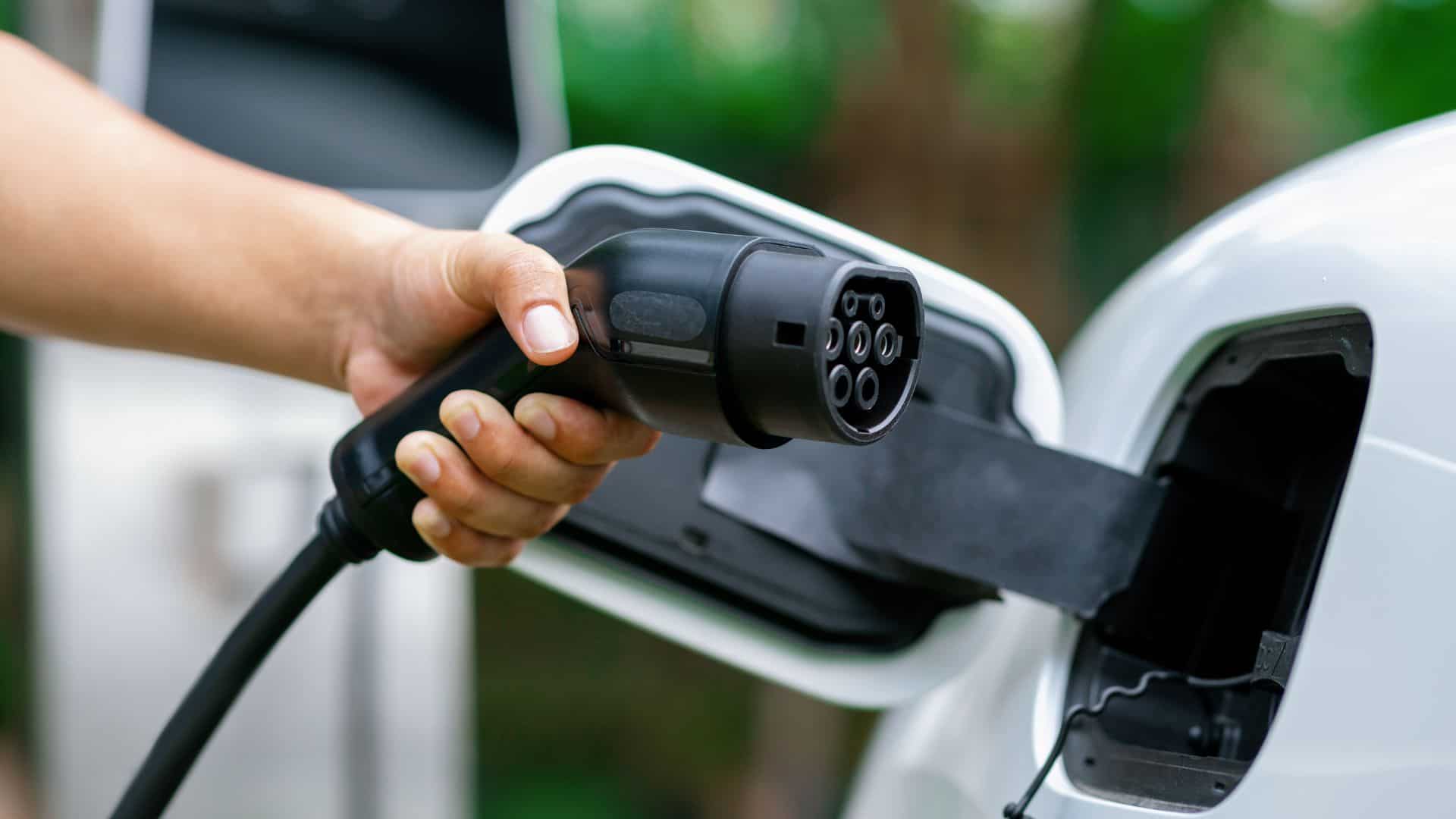
The original poster’s argument was simple and direct: if you live in a rural small town, an EV might actually be the most practical vehicle you can own. His reasoning started with home charging. Nearly every house in his town has a driveway, a garage, and at a minimum, a standard 110-volt outdoor outlet. That alone is enough to trickle-charge an EV overnight. No trip to a gas station, no public infrastructure required, just wake up every morning with a full battery, the same way you wake up with a charged phone.
He acknowledged the one legitimate criticism of rural EV ownership: traveling through a rural area with an EV can be challenging when fast chargers are scarce. But living in one, he argued, is a completely different equation. His daily driving rarely pushes beyond 50 or 60 miles. A pork farmer he knows runs a Rivian R1T for real farm work and charges it from a solar panel on the property, essentially paying nothing per mile. In his estimation, small-town America is actually a better fit for EVs than urban apartment neighborhoods, where residents fight over public chargers and can’t install anything at home.
His point about cities was sharp: flip the situation, convert a dense metro area overnight to EVs, and you have a genuine crisis. Not enough outlets, not enough fast chargers, thousands of people suddenly unable to charge. In a small rural town, the main disruption is that local electricians might be busy installing Level 2 chargers for a while, but until then, 110-volt outlets are already in place at most of the garages or carports.
The community response largely confirmed what he was saying, and much of it came from rural EV owners who recognized their own lives in his post.
One commenter put the core distinction as cleanly as anyone: traveling through a rural area with an EV is difficult because of sparse public charging, but living in one with a home charger is great. That separation matters, and it’s the one that keeps getting lost in the broader debate.
A rural northwest Wisconsin resident said he drives a full-size F-150 Lightning about 1,000 miles a month and pays $37 for electricity, compared to more than $50 just for a single round-trip to the nearest Sam’s Club in his old diesel truck. He said that since he switched to EVs, he no longer thinks about fuel costs at all.
A crop farmer in the thread described converting her operation to seven Ford Lightnings for daily farm use, with a charger installed at the farm shop. Running the fleet on electricity now costs about 10% of what diesel used to cost them.
A handful of commenters pushed back with real caveats. Service centers for brands like Rivian or Tesla can be two to five hours away in truly remote areas. Some winter routes in states like Montana or Wyoming still lack reliable fast charging for longer trips. Those gaps are genuine. But for daily rural driving, commenter after commenter said the same thing: they wished they had made the switch earlier.
Why home charging changes everything for rural drivers
The perception that electric vehicles belong in cities has always been about access to public chargers, which is the wrong focus for the majority of EV ownership. According to the U.S. Department of Energy, roughly 80% of EV charging happens at home. Rural homeowners are far more likely to have a private driveway or garage where they can make that happen than urban renters or apartment dwellers.
The math on daily driving backs this up. A Level 2 home charger adds about 25 miles of range per hour, which means most rural commutes are covered after a few hours plugged in overnight. And because rural drivers tend to put more miles on their vehicles than urban residents, the savings compound faster. At one to three cents per mile for home-charged electricity versus ten to fifteen cents per mile for gasoline, the difference shows up quickly on a monthly basis.
Regarding public infrastructure, the network is growing faster than most people realize. Walmart has committed to installing fast chargers at thousands of its U.S. stores, and roughly 90% of Americans live within 10 miles of a Walmart or Sam’s Club, according to the company’s own market data. The federal NEVI program allocated $5 billion to build EV charging corridors along major U.S. highways, requiring fast chargers to be placed at least every 50 miles on designated routes. Tesla’s Supercharger network, now open to most non-Tesla vehicles, has been expanding into smaller markets. The gap between rural and urban charging access is real, but it is closing.
For rural homeowners with land and sun, the equation gets even better. A ground-mounted solar panel is straightforward to install on a property that isn’t constrained by HOA rules or city permits, and pairing solar with an EV effectively drives the per-mile cost toward zero.
The loudest voices insisting EVs don’t work for rural America are usually people who haven’t tried one. The rural drivers who have made the switch keep telling the same story: home charging eliminates the problem everyone warned them about, the savings are real and immediate, and the inconveniences are smaller than advertised.
If you have a driveway and an outlet, you already have what you need for most of your daily driving. The public charging network is catching up, and the rural owners who went first are already enjoying the gap between what they expected and what they got.