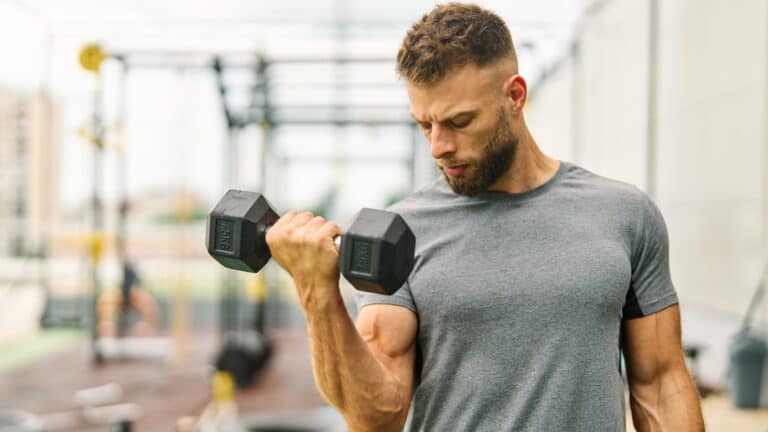

The psychology of looksmaxxing and why it’s becoming a popular trend online
From skincare to jawline exercises, men are chasing the ultimate version of themselves. Here’s why it’s exploding online.
He looks in the mirror and tweaks his jawline. Shedding a few pounds isn’t enough… he measures his facial angles, his posture, even the way light hits his cheekbones. This isn’t a celebrity prepping for a movie role; it’s an everyday man trying to become the best-looking version of himself. Welcome to the world of looksmaxxing, where appearance is more than skin deep, and the psychology behind it is as fascinating as the transformations themselves.
What is looksmaxxing?
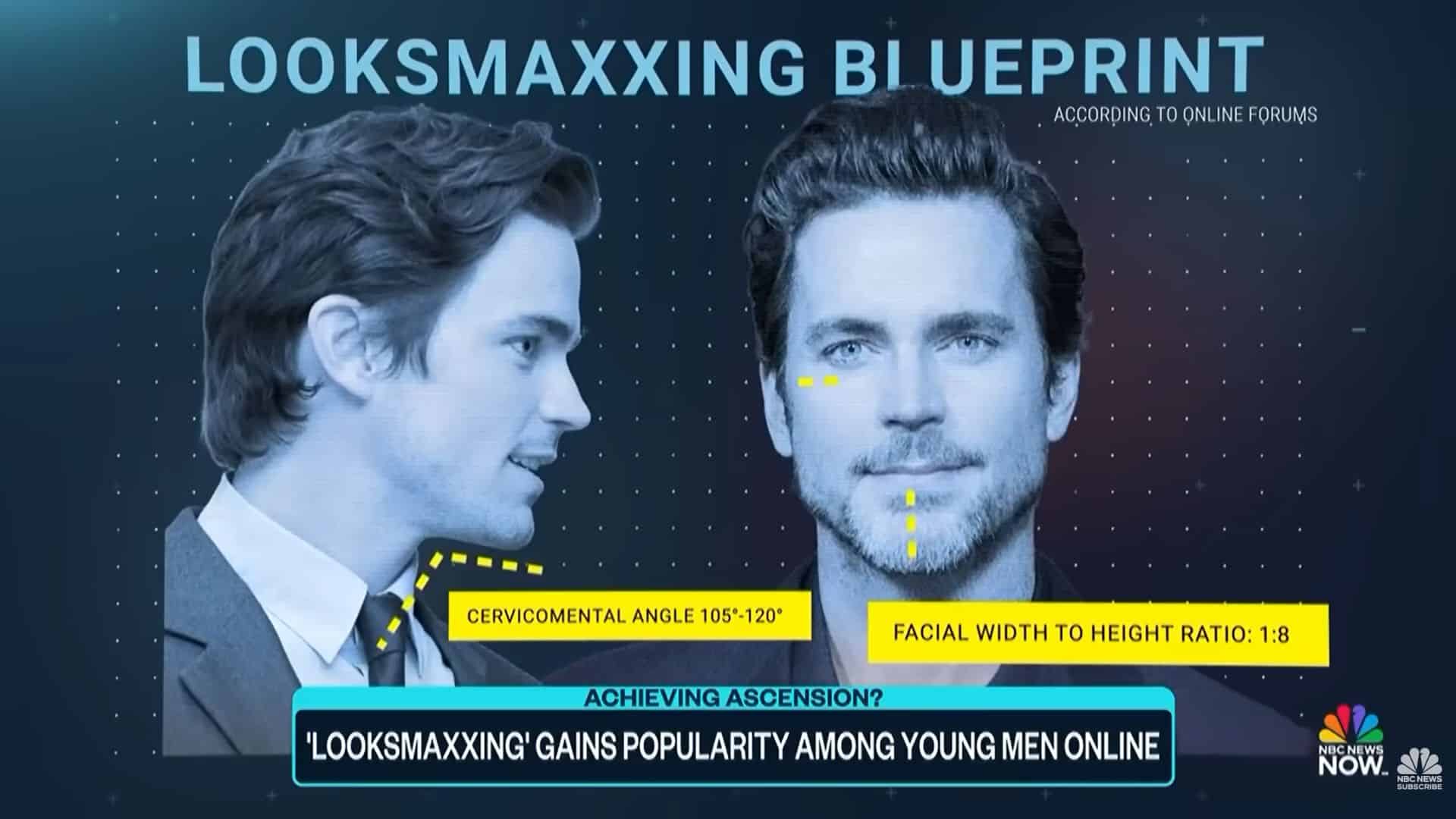
Looksmaxxing started as a niche online trend, but as NBC’s Steven Romo reported, it’s moving into the mainstream, appealing mainly to young men. Unlike traditional grooming, looksmaxxing carries a kind of scientific fervor. Enthusiasts track measurements, angles, and symmetry, often analyzing celebrities or social media influencers to identify “ideal” features. Online communities thrive on sharing progress pics, tips, and product reviews, creating a self-reinforcing culture of appearance optimization.
Influencers like Clavicular, a controversial proponent of the “manosphere,” have gone viral by sharing extreme tips. In the interview, he says, “We’re not saying go past your genetic limits and go into extreme measures, but try to optimize your lifestyle around your appearance.” But there is a bit of limit pushing and danger here. Online communities obsess over symmetry, jawlines, and facial ratios, sometimes taking risky steps like “bone smashing” to alter features. There’s something bigger at play here, as men increasingly treat their appearance as something to study, measure, and perfect.
The psychology behind the trend
Several psychological forces are driving the rise of looksmaxxing. First, social comparison plays a huge role. Humans naturally evaluate themselves against others, but in the era of curated social media feeds, those comparisons are relentless. Seeing influencers or celebrities with seemingly perfect features can trigger a desire to replicate that standard.
Second, there’s the concept of self-efficacy. Men engaging in looksmaxxing often feel a sense of control over their lives through their appearance. Where other aspects of career, relationships, finances, etc. can feel unpredictable, appearance is something you can “hack.” A well-structured routine or visible improvement offers tangible results, giving a dopamine boost and reinforcing the habit.
Lastly, evolutionary psychology can’t be ignored. Facial symmetry, clear skin, and physical fitness are often associated with health and genetic fitness. While we might not consciously think about it, these traits signal attractiveness on a primal level, which is why many looksmaxxing practices target them.
Online communities fuel the fire
Reddit threads, TikTok accounts, and Discord servers dedicated to looksmaxxing are booming. These platforms don’t just provide advice; they also offer validation. Progress pics, transformation stories, and routine breakdowns create a sense of belonging and competition. Most of the videos online are some version of before-and-after shots, promising others they, too, can “glow up” if they follow certain protocols.
For some, this can become a double-edged sword. While accountability and shared knowledge are motivating, constant exposure to “perfect” aesthetics can worsen self-esteem issues or encourage unrealistic goals. The line between self-improvement and obsession is thin, particularly when surgical or invasive procedures are involved.
How pop culture shapes the mindset
From actors celebrated for symmetry and chiseled features to influencers sharing every detail of their grooming routines, the message is clear: how you look carries weight. Figures like Matt Bomer, whose facial proportions are often cited in online forums, become informal “standards” of beauty, even if they’ve never endorsed the movement.
This visibility matters because it normalizes meticulous self-improvement. And in a digital age where first impressions are constant and unavoidable, these cues from celebrities and influencers reinforce the idea that optimizing appearance is a skill, a project, and in some ways, a form of social capital.
Looksmaxxing points to a bigger shift happening in how men view themselves
Young men are now navigating a world where appearance has become a form of social currency, amplified by viral content, online forums, and influencer culture. The stakes go beyond vanity. Obsessive focus on physical perfection can contribute to anxiety, body dysmorphia, and unhealthy behaviors, especially when extreme measures are involved. At the same time, understanding the psychology behind looksmaxxing can help men approach self-improvement more thoughtfully. Optimizing lifestyle choices such as fitness, grooming, and posture can yield tangible benefits without risking long-term health.
Parents, educators, and mental health professionals also need to recognize that appearance-driven pressures now affect young men as much as women, shaping self-esteem, social dynamics, and even career confidence. Looksmaxxing as a trend matters because it’s a mirror reflecting the modern pressures of masculinity. There’s a desire to control how the world sees you, balanced against the risks of chasing an ever-shifting ideal. Recognizing that balance is the first step toward a healthier, more sustainable approach to self-improvement.