

How to start a fireplace without bringing the house down
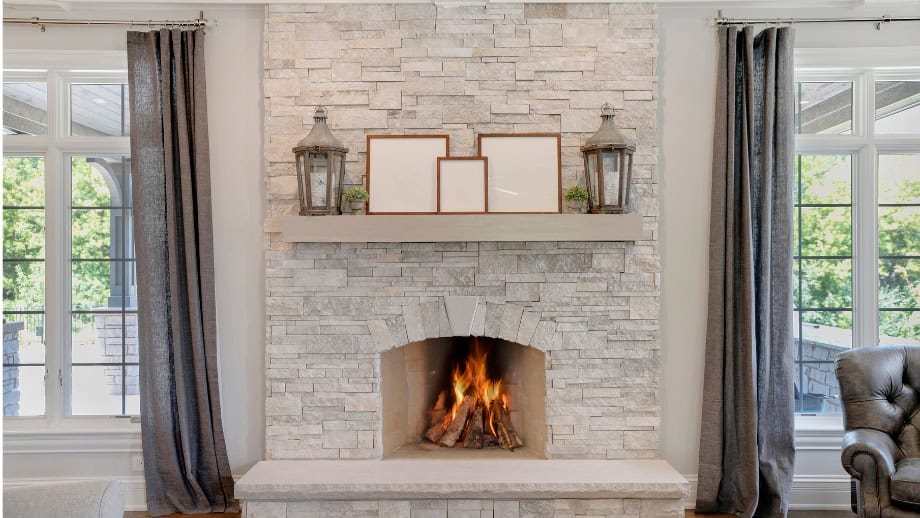
Learn how to safely prepare, light, and maintain your fireplace to enjoy a warm, cozy atmosphere without risking a house fire.
As cold weather approaches, setting up a fireplace can bring comfort and warmth to any home. While lighting a fire may seem simple and has been done for centuries, it still carries real risks. Many household fires begin with improper setup, poor ventilation, or neglected maintenance, turning a relaxing moment into a dangerous situation within minutes. Understanding how to start and manage a fire safely is essential to prevent injuries, property damage, and costly accidents, allowing you to enjoy the warmth of a fireplace with peace of mind.
Inspect your fireplace and chimney
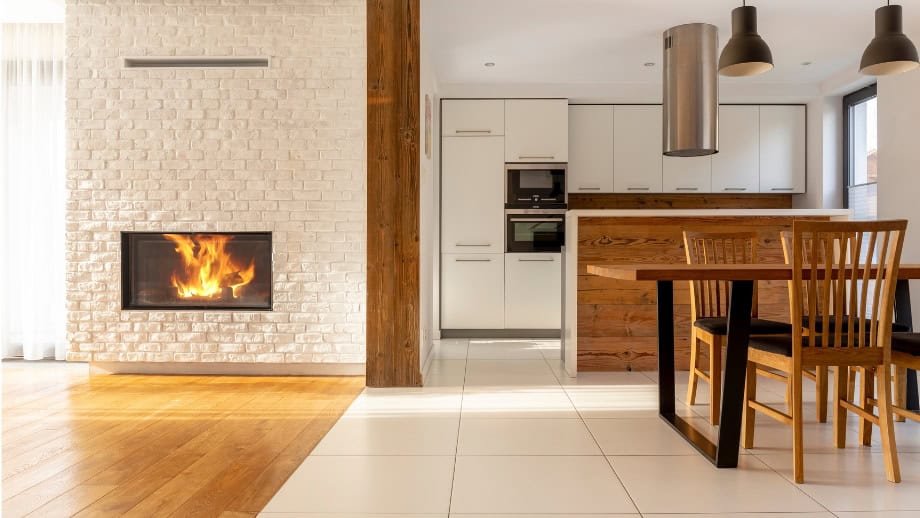
Before lighting a fire, ensure the fireplace and chimney are safe to use. Over time, smoke and soot can leave behind creosote, a highly flammable residue that causes chimney fires. Did you know that birds and small animals often build nests inside chimneys, blocking airflow and increasing the risk of smoke backing up into the pipe?
Check the flue with a flashlight for any visible debris or buildup before each use. It is also recommended to check and clean chimneys, fireplaces, and vents at least once a year. Even if a fireplace has not been used recently, a professional inspection before the start of the heating season can help prevent accidents and ensure compliance with local safety standards.
Get the right tools and materials
After confirming that the fireplace and chimney are safe, preparation begins with assembling the right tools. The fireplace should be cleared of old ashes and debris before lighting a new fire. A small shovel and brush are useful for cleaning and managing ashes, while a metal bucket provides a safe place to store them once they cool. Heat-resistant gloves are also essential for handling logs and preventing accidental burns.
Open the damper fully
The damper inside the chimney regulates airflow, which is essential for a safe and efficient fire. Oxygen is a key component of combustion, and without proper ventilation, smoke can build up quickly inside the room. Before lighting the fire, always ensure the damper is fully open. Verify this by looking up the chimney with a flashlight or testing the airflow with a lighter or a small piece of burning paper. The smoke should rise smoothly up the flue. When starting the fire, slightly open a nearby window to improve oxygen flow. Once properly adjusted, the damper allows the fire to burn efficiently while preventing smoke from entering the living space.
Use dry and seasoned firewood
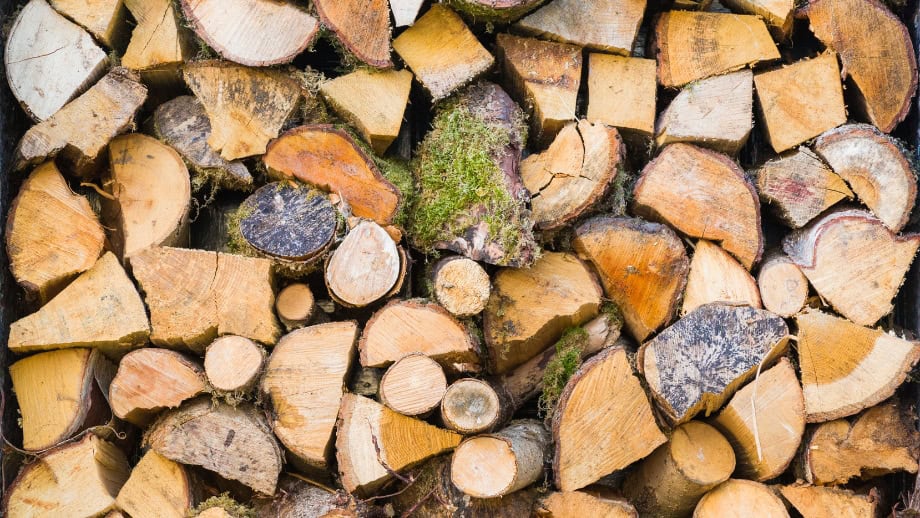
The type and condition of the wood used play a significant role in both safety and performance. Wet or unseasoned firewood creates excess smoke, reduces heat output, and promotes creosote buildup inside the chimney. To avoid these hazards, use properly seasoned, dried wood that has been seasoned for at least 6 months. Hardwoods such as oak, maple, and hickory are preferred because they burn longer and produce less smoke than softwoods. Firewood should be stored off the ground in a dry, well-ventilated area to prevent moisture absorption. The drier the wood, the cleaner and more efficient the fire will be.
Build a proper fire structure
A good fire structure allows air to flow between the logs. Arrange the wood so that oxygen can reach the flames. You can use the log cabin method by stacking logs in a crisscross pattern.
Another option is the teepee method. The logs lean against each other in a cone shape in the teepee method. Both methods create a steady burn that lasts longer. The fire may struggle to stay lit if logs are packed too tightly. You need to leave small gaps between the wood to help the flames spread evenly.
Start with kindling and newspaper
A steady fire begins with a well-built base, and kindling is essential to that process. Small, dry sticks or twigs combined with crumpled newspaper help ignite the flames evenly and quickly. Glossy or colored paper should be avoided, as it can release harmful chemicals when burned. The kindling and newspaper should be placed beneath the logs with enough space for air to circulate. Using a moderate amount of paper helps the fire catch efficiently without producing excessive smoke or extinguishing the initial flame.
Light the fire safely
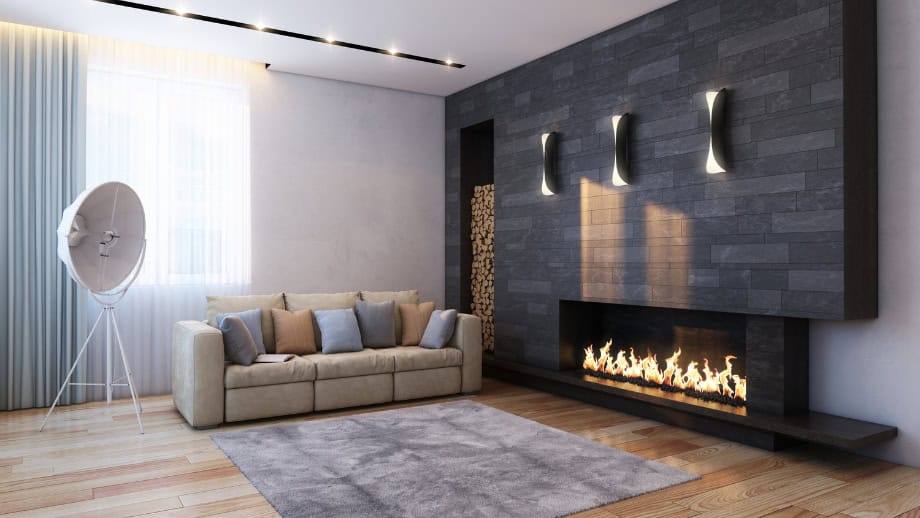
When lighting the fire, use a long match or fireplace lighter to keep a safe distance from the flames. Gasoline, lighter fluid, or other flammable liquids should never be used, as they can cause dangerous flare-ups. Begin by lighting the newspaper and allow the flames to spread gradually to the kindling. Once the smaller wood pieces are burning steadily, the heat will ignite the larger logs. If the fire does not take right away, add a small amount of additional kindling and try again. Patience is important; a slow, even start ensures efficient burning and prevents excess smoke from entering the home.
Keep an eye on the fire
Supervision is essential when maintaining a fire in a fireplace. Even a small shift in the wood can send sparks or embers into the room, creating a potential hazard. If you need to step away, someone else should watch the fire until you return.
Because stray embers can ignite nearby objects, it is safer to use a fireplace with a glass door or a protective mesh screen to prevent sparks from escaping. A bucket of water, sand, or a fire extinguisher should be kept nearby as a precaution. Remaining attentive and taking simple safety measures can significantly reduce the risk of an accidental fire.
Keep flammable items away
Flammable materials should always be kept well away from fireplaces to prevent accidental ignition. Items such as curtains, rugs, paper, and decorations can easily catch fire if placed too close to the heat source. Even small sparks or embers can travel several feet and ignite nearby objects within seconds. Fire officials recommend maintaining a clear zone of at least three feet around any open flame. Keeping this space free of clutter reduces the risk of a fire spreading and helps ensure a safer environment for everyone in the home.
Clean up ashes safely
Once the fire has completely gone out, the ashes should be handled with care. They can retain heat for several hours, so it is important to let them cool before removal. Use a metal shovel to transfer the ashes into a metal bucket with a secure lid. They should never be placed in a household trash bin, as residual heat can ignite nearby materials. Keeping the ash container on a nonflammable surface and away from combustible items reduces the risk of fire. Cooled ashes can later be safely discarded or reused in the garden as a natural fertilizer.
A fireplace can bring warmth and comfort to a home, but it must be used with care to prevent accidents. Regular inspections, proper tools, and safe handling of materials are essential for maintaining control over the fire. By following basic safety practices—ensuring airflow, using dry wood, and keeping flammable items away —you can enjoy a steady, safe fire throughout the colder months.