
Airbnb guests kept taking his parking spot — the next morning, he towed half the neighborhood
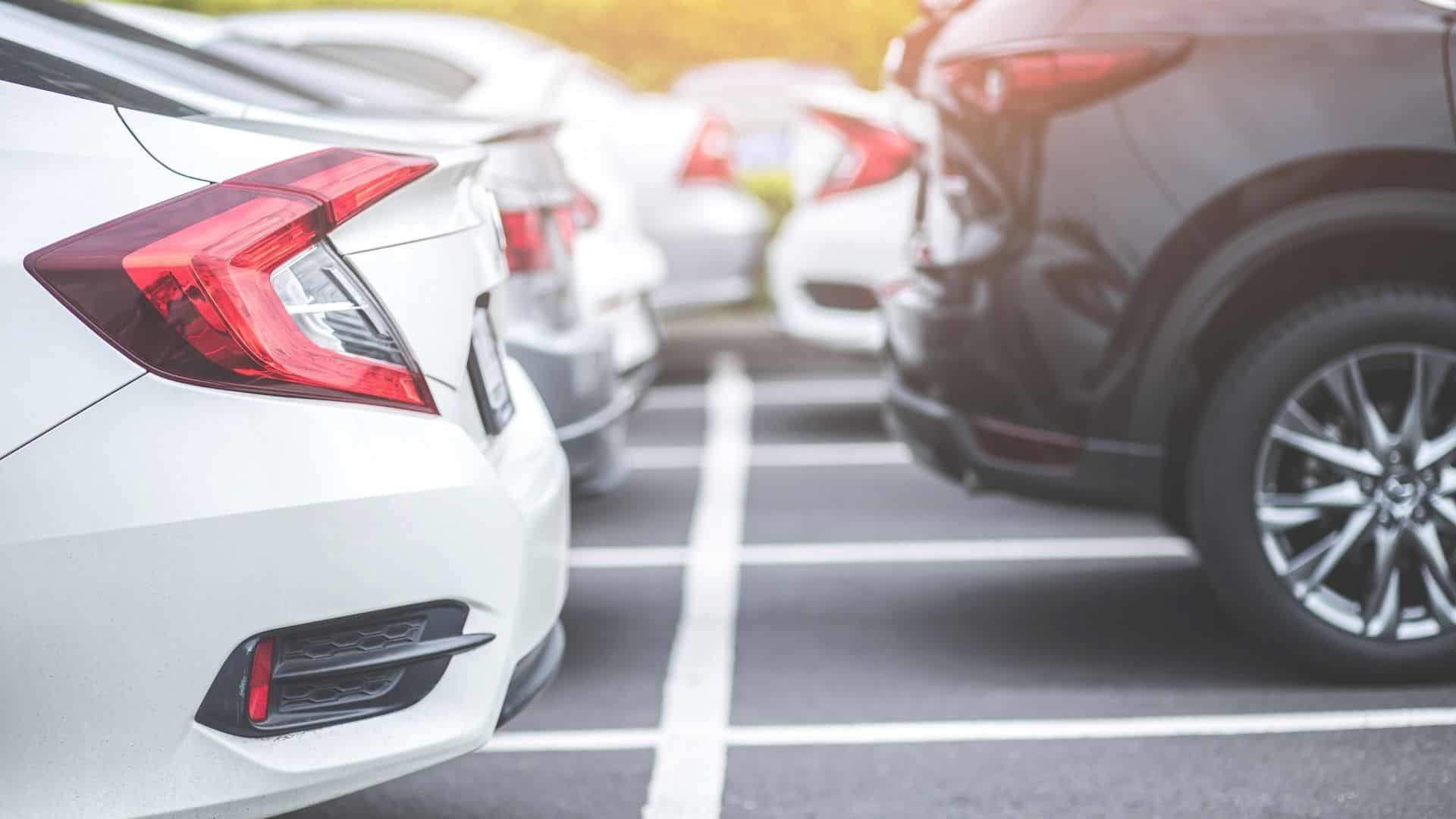
Airbnb hosts in a gated community had been advertising parking spaces they didn’t own, until one neighbor had had enough and shared the whole story on Reddit.
Anyone who has lived near a vacation rental hotspot knows what high season looks like for the people who actually stay there year-round. A fresh group of guests arrives every weekend, and most of them have no idea where to park or which spot belongs to which property. Even gated communities face ongoing parking issues, despite clearly marked spots. One homeowner had had enough and bought a dedicated space, put up signs, but the parking problem persisted. As a last resort, he called the tow truck.
The parking problem in this gated community in the south of France had been building for years, driven by the surge in Airbnb rentals that turns the area into a holiday destination every July and August. Parking used to be manageable in a shared lot, but since Airbnb guests arrived, there just wasn’t enough space for everyone.
He and three neighbors decided to solve it. They purchased the main parking area directly from the copropriété, the French equivalent of an HOA, and converted it into a clearly organized lot. Six assigned spaces were painted with white lines, each marked with its owner’s license plate. They kept three to five additional spaces open for other residents to use at no cost. The whole setup was documented, permanent, and visible to anyone who walked in.
When one of the co-owners arrived at the start of the season to find both his assigned spots taken by Airbnb guests, with every free space gone, he put up warning signs explaining that the lot was for residents only. That held for about two days. The next morning, the owners posted large signs stating that any vehicle parked in an assigned spot would be towed, and they texted every resident in the community to collect license plates and exempt them from enforcement. The next morning, the situation was identical. They closed the gate, called the police, and had every unauthorized car removed.
The phones started ringing immediately. Airbnb guests called the police, demanding to know why their cars had been towed. The Airbnb hosts whose listings advertised parking were now fielding refund requests from furious renters, with one-week stays ranging from $1,730 to $2,590 (1,600 to 2,400 euros) depending on the size of the apartment. Some hosts threatened to sue him for the refunds they’d been forced to issue. Some guests threatened to sue over the towing fees.
The top comment hit the center of the problem: Airbnb has turned parking into a nightmare in communities everywhere, and the real issue here is hosts advertising amenities they have no authority to offer.
The response that drew nearly as much attention pointed to where the liability actually sat. The guests’ frustration was understandable, one commenter argued, but directed entirely at the wrong target. They had been misled by a listing, and the listing was the hosts’ problem to own, not the neighbor who had simply enforced property he had legally purchased and clearly marked. The towing cost was a consequence of the hosts’ misrepresentation, and the guests’ best path was a refund conversation with whoever sold them a vacation that came with parking it couldn’t deliver.
The broader Airbnb critique ran through dozens of responses. One widely-shared comment drew a line between what the platform was designed to be, people renting a spare room in their own home, and what it has largely become: investment properties managed remotely by owners who have never visited, have no idea what’s on the ground, and make promises about amenities based on what used to be true before the community changed.
When Airbnb sells what it doesn’t own
The legal position in this situation is clean. He and his neighbors bought the lot, have the paperwork, posted signs, gave written notice, collected resident plates, and documented every step before the tow truck arrived. Whatever comes next in a courtroom, they built the right foundation.
The liability for the guests’ refunds sits with the hosts, full stop, because they advertised a specific amenity that belonged to someone else without verifying they had any right to offer it. That’s a misrepresentation between a host and their guest, a contract dispute the neighbor was never party to, and no judge is going to make him responsible for it.
The practical takeaway runs in two directions. If you’re booking a short-term rental and parking is important to you, “with parking” in a listing is worth a direct question before you confirm: is this an assigned spot attached to the unit, or shared community space? The difference matters, and a host who can’t answer specifically is a red flag. If you own property and find yourself in a situation like this, the formula that held up here is worth keeping in mind: establish ownership with documentation, mark it clearly, provide written warnings, collect your evidence, and enforce consistently. The court will reward the people who did everything right before calling the tow truck.