

How I stopped nighttime doomscrolling and improved my sleep

I thought late-night scrolling was helping me unwind, but it was actually keeping my brain awake long after I put the phone down.
Most people know nighttime doomscrolling is bad for sleep, but that usually isn’t enough to stop it. The problem is that scrolling at night rarely feels like a conscious decision, and this was my pattern for a long time. I would get into bed tired, spend far too much time on my phone, and then wonder why my brain still felt wired at midnight. What finally changed things was realizing the issue wasn’t just screen time. It was the way I was using my phone to avoid slowing down mentally.
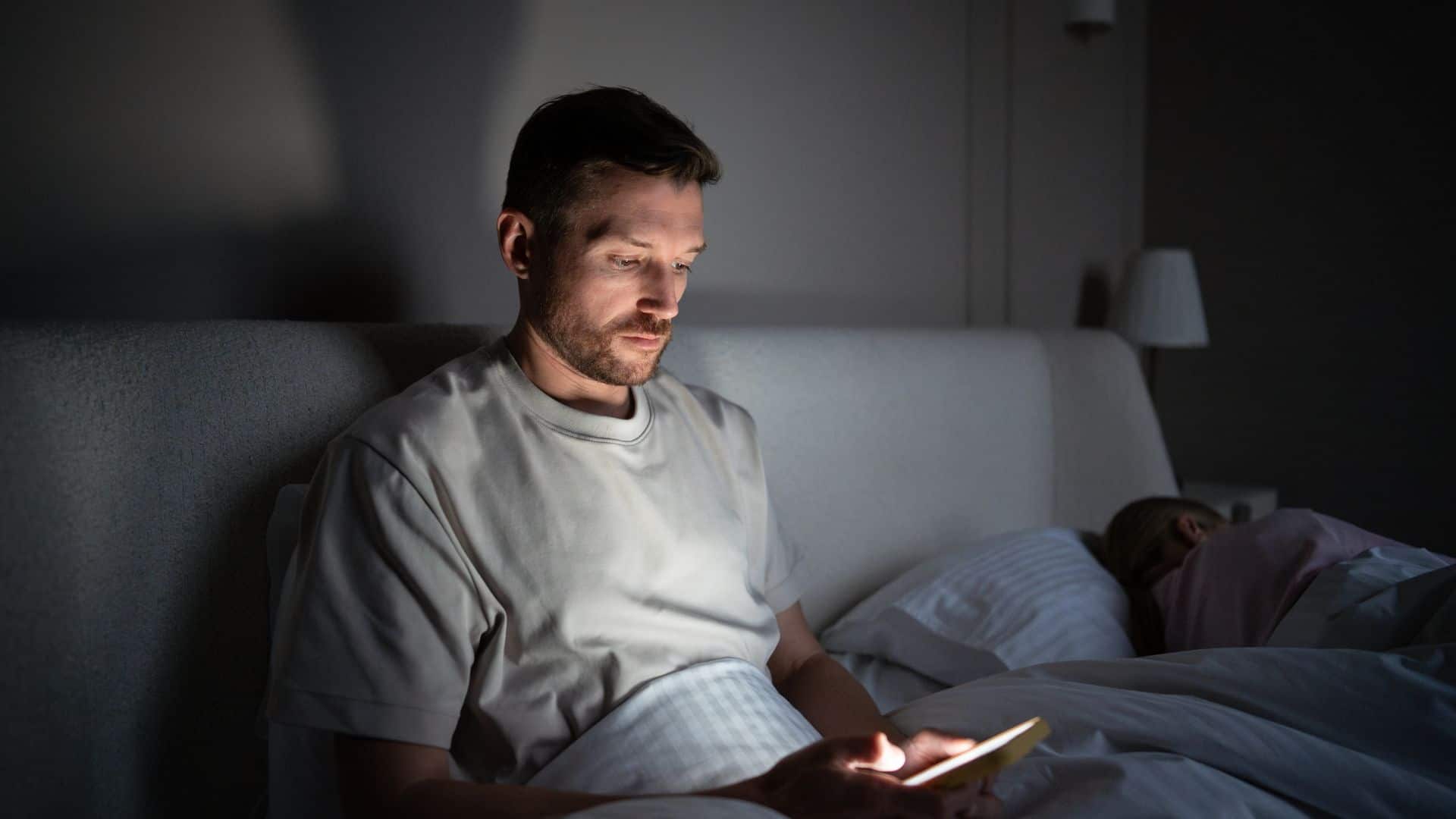
Nighttime doomscrolling becomes a way of avoiding mental shutdown
For a while, I treated nighttime scrolling like a bad habit that needed more discipline. I tried forcing myself to put the phone away earlier, but it never lasted. Eventually I realized that I only doom-scrolled heavily on days when my mind already felt overloaded. The scrolling gave me a way to delay stillness.
Instead of transitioning into sleep, I kept feeding my brain more stimulation. News, videos, online arguments, random posts, sports clips, financial anxiety, and productivity content all blend into a constant stream of input. None of it relaxed me, but instead kept my mind engaged long enough to avoid actually winding down.
What made the habit difficult to break was that it didn’t feel dramatic in the moment. I wasn’t staying up until 4 a.m. Sometimes it was just an extra 20 minutes. But the effect added up quickly. I started falling asleep later, waking up more tired, and feeling mentally scattered in the mornings. Even when I technically got enough hours of sleep, the quality felt worse because my brain never really had a transition period before bed. So I stopped approaching the problem like a self-control issue and started treating it like a nighttime routine problem.
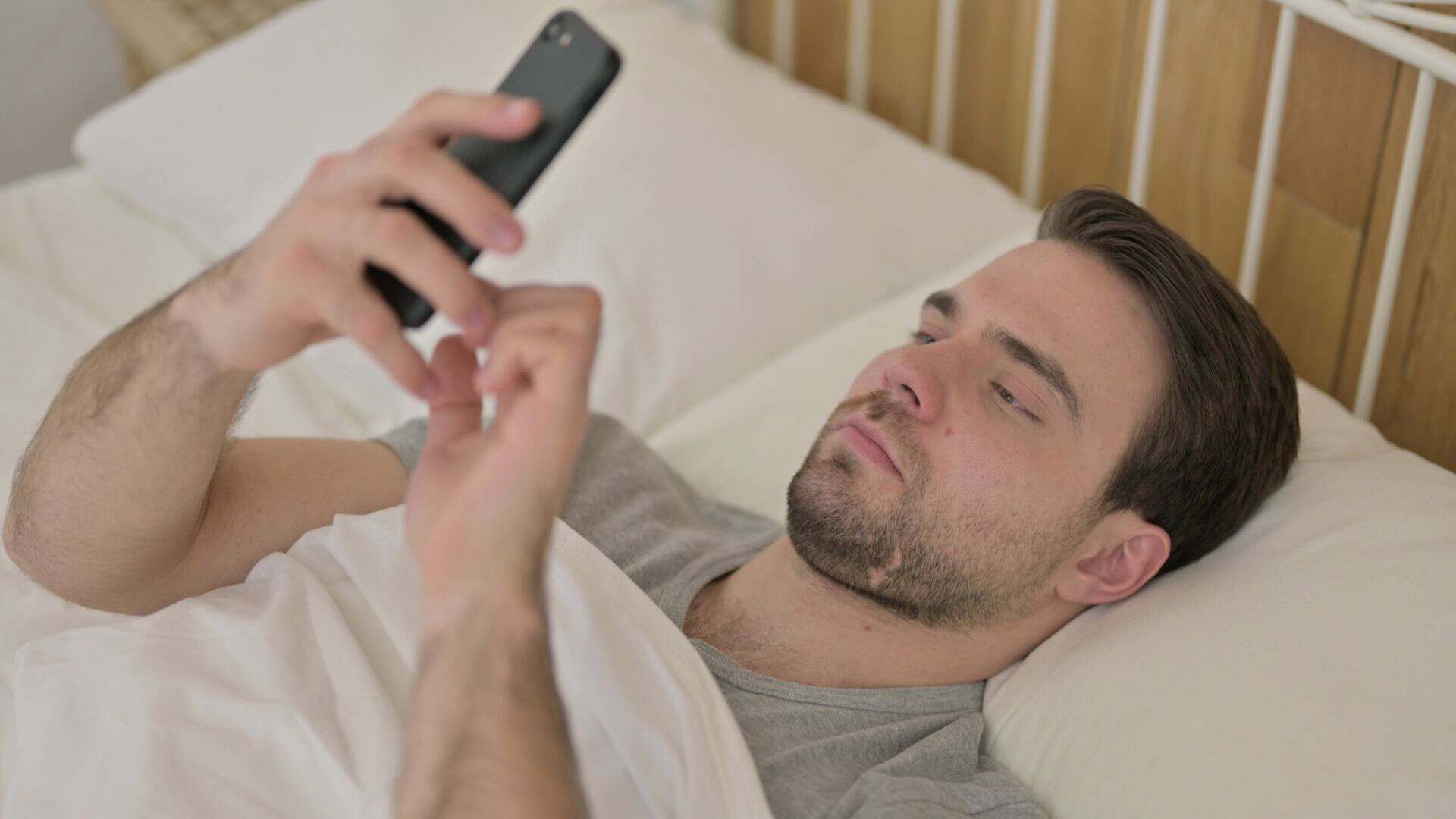
This was the biggest change
What finally worked was when I stopped relying on willpower and made doomscrolling slightly more inconvenient. The first thing I changed was charging my phone across the room instead of next to my bed. That alone reduced a significant amount of unconscious scrolling. When the phone was within arm’s reach, checking it seemed automatic. After all, these devices are designed to keep us hooked. Once I had to physically get up to use it, the habit became more intentional.
I also stopped bringing emotionally stimulating content into the last hour of the night. That meant no news, no heated comment sections, no work emails, and no productivity videos disguised as “self-improvement.” I realized a lot of what I consumed at night left me more mentally activated, not less.
Instead, I replaced the habit with lower-stimulation activities that still felt enjoyable. Sometimes it was reading a few pages of a book. Sometimes it was stretching for ten minutes or listening to music without looking at a screen. The key was that I needed something realistic to replace the scrolling, not just an empty instruction to “go to sleep,” which is one of the reasons many men still wake up tired after 8 hours of sleep.
Another thing that helped was accepting that nighttime doomscrolling was often connected to stress earlier in the day. On days where I felt mentally overloaded, I was much more likely to seek distraction at night. Once I understood that connection, I started paying more attention to how I decompressed after work instead of waiting until midnight to mentally shut down.
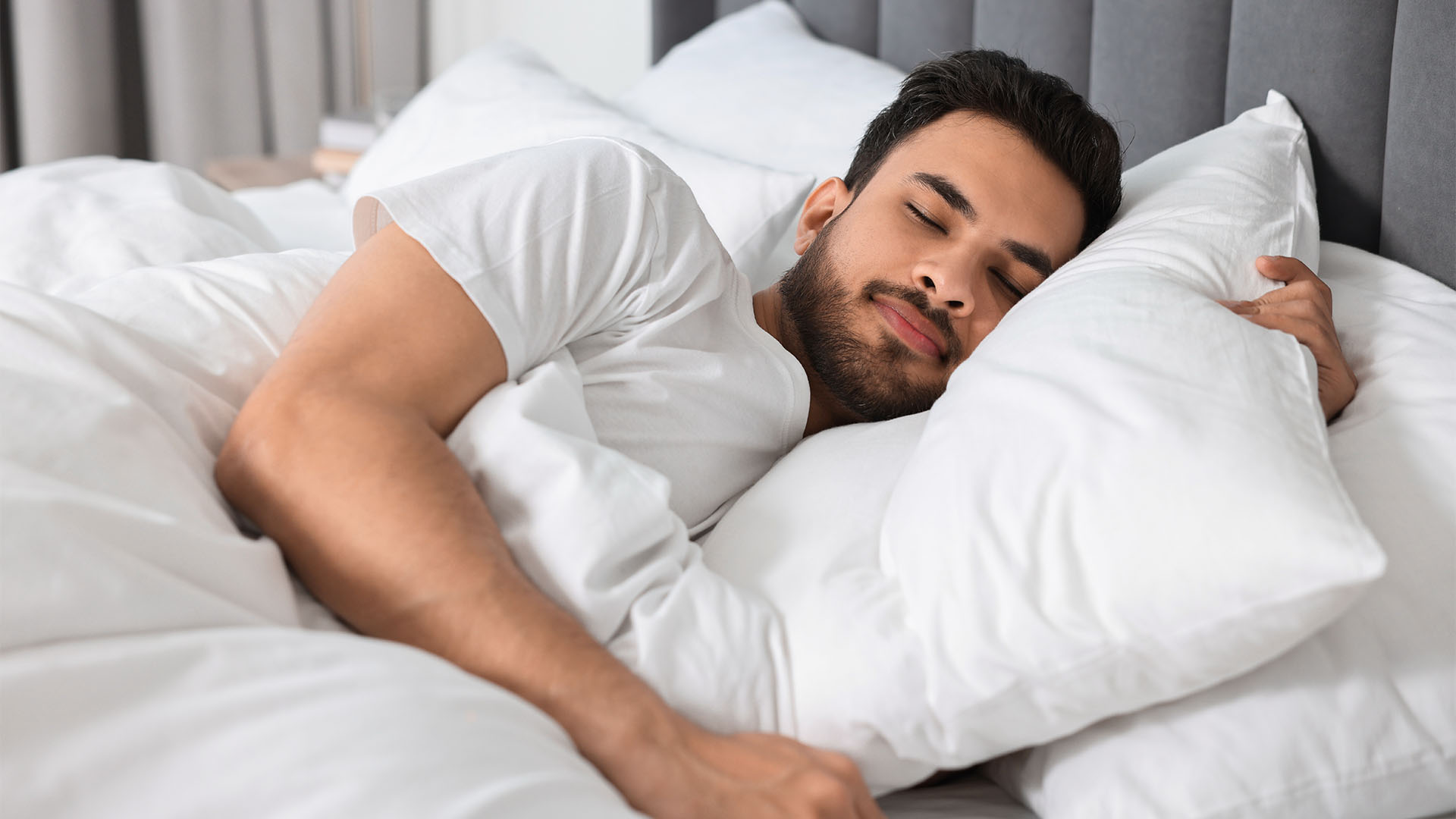
Better sleep started with protecting the last hour of the day
The biggest misconception about sleep is that it starts the moment your head hits the pillow. But sleep quality is heavily influenced by what happens beforehand. For me, the goal stopped being “perfect sleep hygiene” and became creating a calmer landing zone at night. I wasn’t trying to optimize every minute of my evening or turn bedtime into another performance metric; I just needed to stop flooding my brain with constant input right before trying to rest.
Within a couple of weeks, the difference was noticeable. Falling asleep became easier. My mind felt quieter at night. Mornings stopped feeling as mentally foggy. More importantly, I felt less trapped in the cycle of ending every day overstimulated and exhausted.
My takeaway is that nighttime doomscrolling can be a sign that the brain never got a chance to slow down during the day. Breaking the habit becomes much easier once you stop treating sleep like an on-off switch and start treating the final hour before bed like a transition. Small changes like creating distance from the phone, reducing mental stimulation, and replacing scrolling with something calmer can have a huge impact on your sleep health.