
Clavicular “Looksmaxxing” influencer is in the headline again—Here’s why it may be one of the most dangerous trends
Behind the viral clips and outrageous stunts is a subculture telling young men their worth begins and ends with how they look, and it’s dangerously trending.
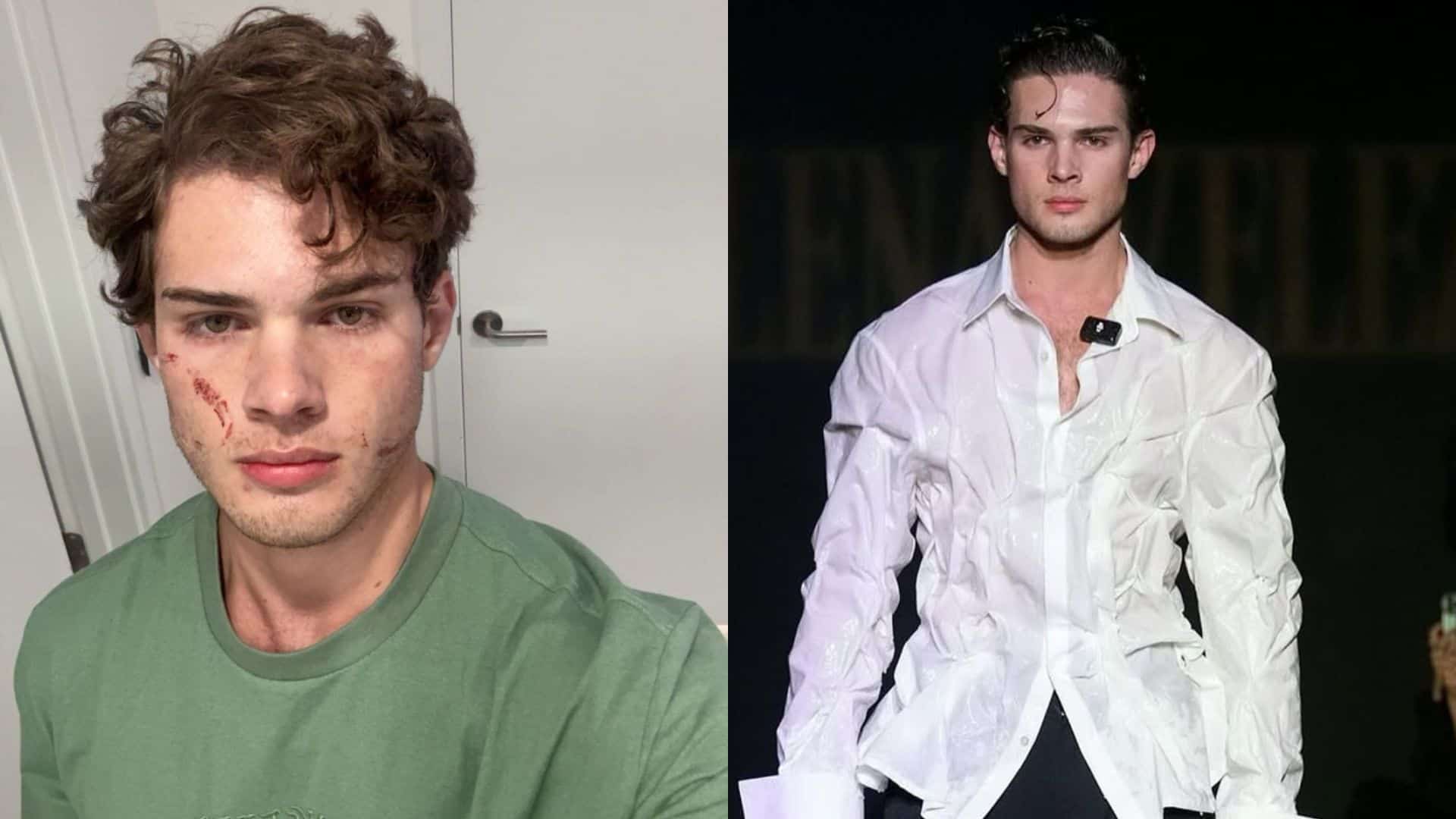
In today’s digital age, we often see trends popping up every other day, but not all of them are worth following. Recently, a young man named Braden Peters, who goes by “Clavicular” or “Clav” online, made headlines after he was hospitalized during a live stream. This event draws attention to a troubling trend affecting young men for some time now. It emphasizes the unrealistic beauty standards many feel pressured to meet, which Clav represents. But what does this mean for the people who are watching?
What is looksmaxxing?
Looksmaxxing is an online trend, particularly popular among younger men, focused on improving physical attractiveness. The main idea behind looksmaxxing is that how we look can affect various aspects of our lives, like relationships, social interactions, and job opportunities. Because of this belief, many feel they should invest a great deal of time and effort in making themselves look better. It also comes from obvious insecurity and the pressure to meet certain beauty ideals, especially those promoted on social media.
There are various ways to approach looksmaxxing. Some people follow common routines, such as improving their grooming habits and adopting healthier lifestyles, which is often referred to as “softmaxxing.”
“Hardmaxxing”, on the other hand, refers to extreme, often permanent, and surgical methods to drastically enhance physical appearance, going beyond lifestyle changes (softmaxxing). It includes surgeries like jaw, nose, or cheek implants, liposuction, and controversial techniques like bone smashing.
What happened to Clavicular?
Clavicular went public with shocking stories about using a hammer to shape his jawline, admitting to using drugs and steroids since he was just 14 years old, and taking other stimulants to manage his weight while building muscle.
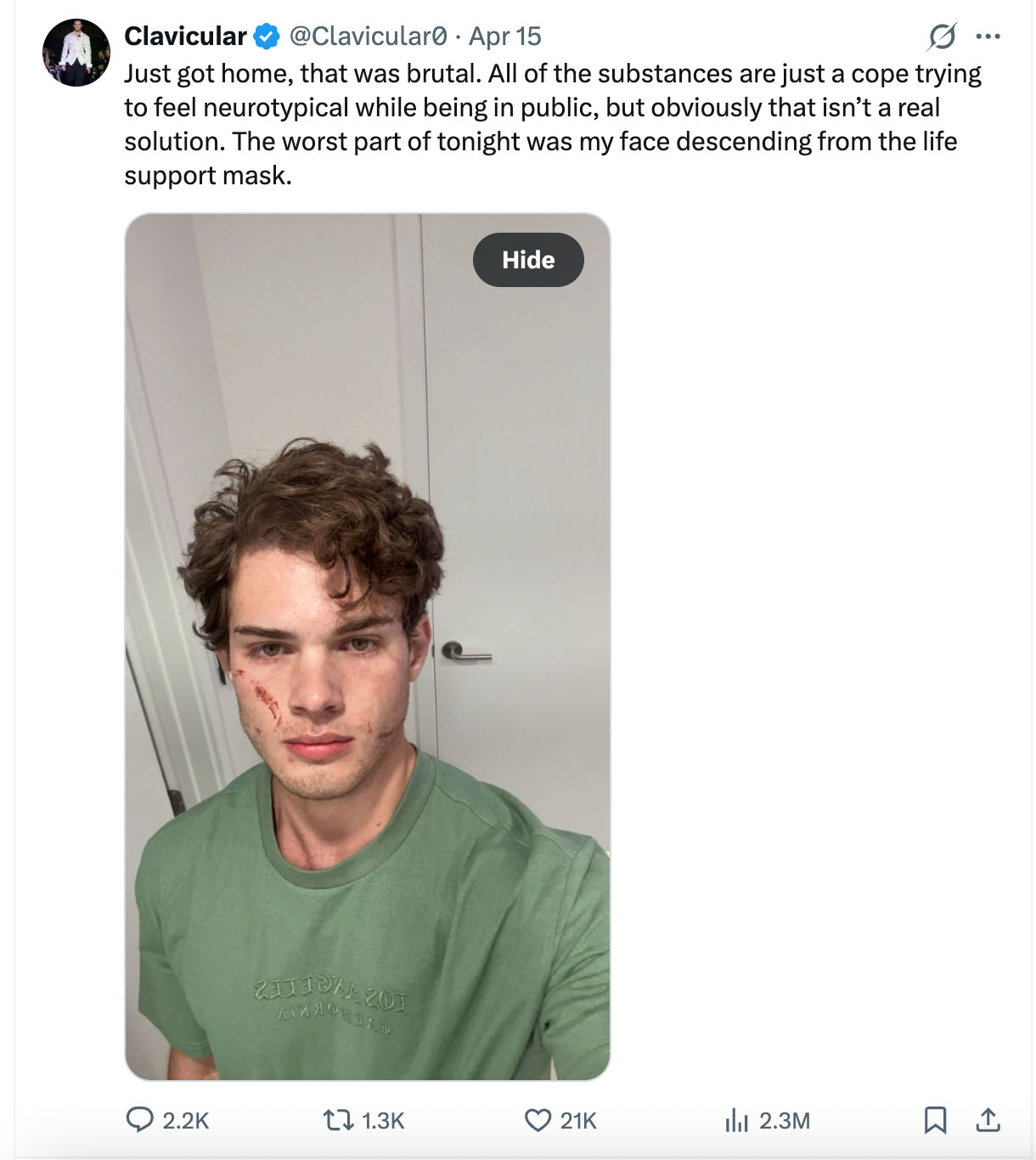
Recently, during a live stream from a nightclub, viewers noticed he seemed impaired. He was eventually escorted out by security and put into an SUV, which was closely followed by an ambulance. The next day, he shared on Twitter that he had taken too much of a substance and had to go to the hospital.
Looksmaxxing and the manosphere
Looksmaxxing is closely connected to the broader online community known as the manosphere, which promotes the idea that men’s value comes from their looks, social status, and dominance.
Clavicular has also been linked to figures like Andrew Tate, but has avoided discussing it, even walking out of interviews when asked. He also faced a misdemeanor charge after allegedly staging a fight between two women and streaming it for clicks. He has not pleaded guilty or been convicted. But looksmaxxing was never just about physical appearance alone. It is also about gender inequality, self-worth, and power that have been prevalent in the manosphere for years.
Why is it a dangerous trend
One of the biggest dangers of looksmaxxing is what it teaches young people about themselves. Someone like Clavicular suggests that how we look is the key to success in our careers and relationships. This idea doesn’t stop at just motivating someone to improve themselves. Instead, it can lead to confused and vulnerable teens. When asked if he feels responsible for the negative effects his content might have on young people struggling with their body image, he admitted that he just delivers the message but doesn’t feel accountable for how people react.
Mental health professionals have warned that young men who are following these trends may face potentially lifelong struggles with inadequacy, trapped in a cycle of ‘physical optimization’, feeling pressure to constantly improve their appearance. The danger here isn’t just one bad decision; it’s a whole generation of young men being told over and over that their value comes from their looks, and then being given tools to hurt themselves along the way.
The looksmaxxing trend is more than just an online fad
It shows how social media affects our thoughts and feelings. Platforms like Instagram and TikTok often share content that can trigger strong emotions and extreme views, which can impact young people. It’s important for parents and teachers to talk to kids about these trends early on. They should discuss where these ideas come from and why aiming for a perfect appearance isn’t important.
It also serves as a wake-up call, specifically for parents to keep an eye out for any signs of looksmaxxing in their children, particularly if they have physical differences. Additionally, simply taking devices away from kids won’t fix the problem. We need to create environments where they feel comfortable asking questions about what they see online and learn to appreciate themselves without seeking validation from influencers or celebrities.
By prioritizing emotional well-being over superficial standards, we can help guide young minds towards a more positive and healthier understanding of self-worth and identity.