

A Nobel Prize winner on why people are drinking less
A closer look at the factors pushing people to stop drinking, including generational habits, social isolation, and health concerns.
If you walked into a bar in the U.S. ten years ago, it would likely be buzzing with people. Drinking was commonly seen as a way of socializing. Fast forward to today, and things have changed dramatically. There’s no single reason people are drinking less. It’s a mix of shifting priorities, changing social habits, and a growing awareness of how alcohol affects both physical and mental well-being. For some, it’s about feeling better the next day or staying focused on long-term goals. For others, it’s simply that social life no longer revolves around a drink in hand.
So, why are people drinking less?
A recent survey from Gallup shows that only 54% of Americans drink alcohol now, which is the lowest percentage in recent years. Among younger people, the decline is even sharper, dropping from 59% in 2023 to 50% in 2025. This trend is here to stay and represents a significant change in behavior, leaving many wondering why it’s happening.
On the podcast Armchair Expert, host Monica Padman discussed a theory from Jonathan Haidt, who suggests that alcohol is a social drug. Nowadays, many younger adults are drinking less because they spend a lot of time on their screens. They also tend to try other substances that don’t require them to go out and drink.
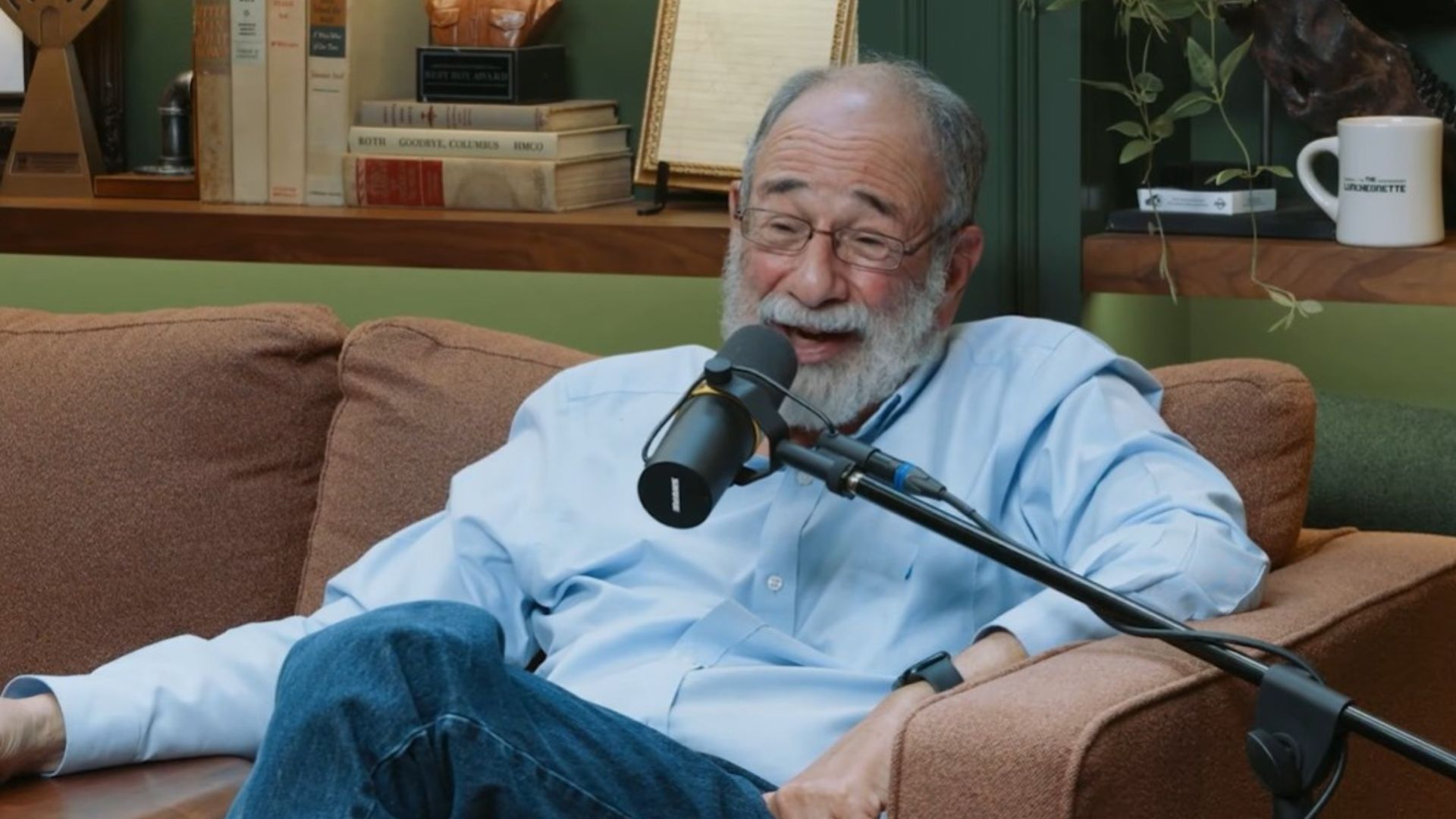
As Alvin E. Roth, Nobel Prize-winning economist, Stanford professor, and author, explains, there might not be a single answer to this question. “There might be multiple explanations,” he said. Many factors influence drinking habits, particularly changing social norms that evolve slowly and cannot be easily enforced by law.
He also mentioned that for a long time, people believed that alcohol could be beneficial to their health. Doctors promoted the idea that a glass of red wine could be good for the heart. As this belief was debunked, it removed a common justification for drinking. However, Roth emphasized that the reasons for this change go beyond health awareness.
Roth also explained that drinking follows generational cycles. “If your grandparents drank cocktails, then your parents drank wine, and now you’re smoking weed,” he added. People don’t always sit down and make a rational decision to drink less. Sometimes a generation just stops identifying with what the previous one did, and then they slowly let go of habits that seem bad for them.
Learning from others’ experiences
Many people who choose to drink less share that their decision is influenced by personal experiences or witnessing the negative effects of alcohol on others.
Anthony Hopkins, the renowned actor, recently shared that he has been sober for over 50 years. He talks about a pivotal moment when he realized drinking was harming him. This realization encouraged many of his fans to reconsider their own drinking habits.
The price point
One of the reasons why fewer people are drinking alcohol these days is that it has become a lot more expensive. In the past, drinking and smoking were common ways to unwind, but now, the price of a round of drinks in a city can easily hit $60 to $80, and even a good bottle of wine is way pricier than it was ten years ago. When prices go up like that, people start to think twice about whether they really want to drink or if it was just something they did without much thought.
Gen Z, and soft socializing
While some people enjoy spending time alone, a large number of Gen Z are focusing more on soft socializing, as they don’t have much desire for loud experiences. One person said, “Gen Z and younger like to feel more in control and relaxed in this crazy world — there is less desire for wild, chaotic experiences.”
This trend emphasizes a preference for low-key hangouts, such as catching up over coffee or enjoying small dinners, rather than crowded bars. It’s not that young people don’t want to socialize anymore; they just want to be more present and engaged in those moments. For many in this generation, the desire to drink excessively and lose themselves has significantly decreased.
Many are becoming more aware of their health, feeling financial pressure, and rejecting old habits that no longer work for them. Social norms, or the ways we do things based on what everyone else is doing, change slowly and often without any clear explanation. However, the evidence shows that something is different now. For many, it was more of a realization that alcohol isn’t as necessary as it once seemed.