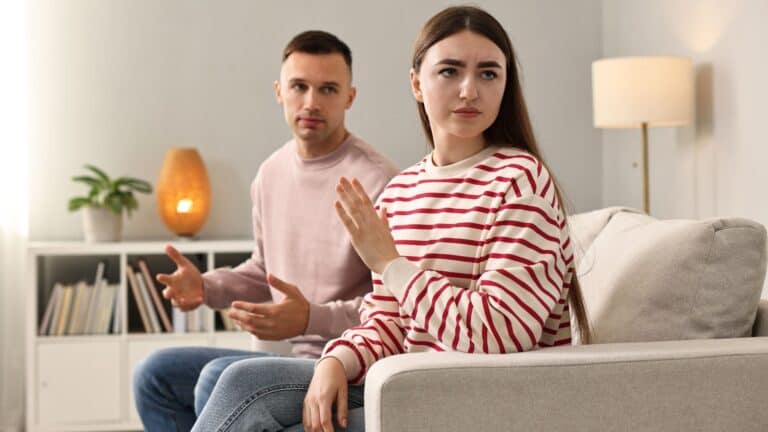

Warning signs your “friend” doesn’t actually like you

The hardest truth about friendship is realizing the signs were there all along, hidden in everyday interactions that most men ignore.
Friendship isn’t usually where men expect problems. You assume loyalty, mutual respect, and a baseline level of support. But not all friendships are built that way, and the warning signs aren’t always obvious. They show up in little ways. The problem is, most guys are trained to brush those things off. Until one day, the pattern becomes impossible to ignore.

The cues most men miss
There’s a recent Reddit post titled “When did you realize someone wasn’t really your friend?”, and it reads like a checklist of overlooked friendship red flags. One user in the comments said, “Stopped texting first and never heard from them again.” And another wrote, “They only ever texted me when they needed something… I haven’t heard from you in 3 months, and now you need help moving?” These are examples of convenience, not friendship.
This one-sided dynamic is one of the most common signs that something’s off. If you’re always the one initiating plans, checking in, and keeping things alive, but the moment you stop, the relationship disappears… it paints an unfortunate truth. These people weren’t invested in you; they were using access to you.
Emotional balance is another issue here. One commenter described a friend who “always had something to say about their own life but never once asked about mine.” They said conversations felt less like a connection and more like being in the audience. These behaviors can seem minor, but they’re actually signs of a deeper lack of respect and reciprocity, two things every real friendship requires.
When “jokes” and jealousy aren’t harmless
Some of the most damaging dynamics hide behind humor. Multiple Reddit users in the comments pointed out a pattern of “When ‘jokes’ started feeling like tiny insults. That creeping feeling that something meant to be funny actually stings is worth paying attention to. It often signals underlying resentment or insecurity. Author Robert Greene has spoken directly about this dynamic, especially regarding envy in friendships.
“Frenemies are the classic scenario… somebody who feels envious of you ends up befriending you… They start saying comments that get under your skin that make you feel insecure.” According to Greene, this isn’t always conscious. Someone can genuinely believe they like you while simultaneously resenting your success, your confidence, or your life direction. That tension leaks out through subtle digs, backhanded compliments, or a noticeable lack of enthusiasm when something good happens to you.
One Reddit user captured this perfectly when they said, “When something good happened to me, and their reaction made me wish I hadn’t told them.” That muted, dismissive, or playfully negative reaction isn’t random; it’s a signal. Psychologists have found that low-quality friendships, those marked by criticism, jealousy, and lack of support, are linked to increased stress, lower self-esteem, and poorer mental health outcomes in men. In other words, the cost of ignoring these signs isn’t just psychological, but also emotional.

Set boundaries where needed
It’s easy to downplay bad friendships when you tell yourself it’s not a big deal, or that “that’s just how they are.” But the people around you shape your standards, what you tolerate, how you see yourself, and what you think you deserve. Your inner circle defines your future in many ways. If it’s full of people who only show up when they need something, dismiss your wins or compete with you, turn you into the joke, or disappear when you’re struggling… they’re dragging you down. So what do you do about it? Start by paying attention to patterns, not excuses. Anyone can have a bad day, but consistent behavior reveals how a person really feels about you.
Setting boundaries might mean pulling back your time, energy, or availability. Stop over-investing in people who don’t meet you halfway. And just as importantly, make room for better connections. Real friends check in without an agenda. Those are people who celebrate your wins without hesitation and don’t make you feel smaller to feel bigger themselves. Walking away from a bad friendship raises your standards. The right people won’t leave you questioning where you stand.