
Man on Reddit asks if he was wrong to silence his girlfriend after she accused him of causing a car accident in public
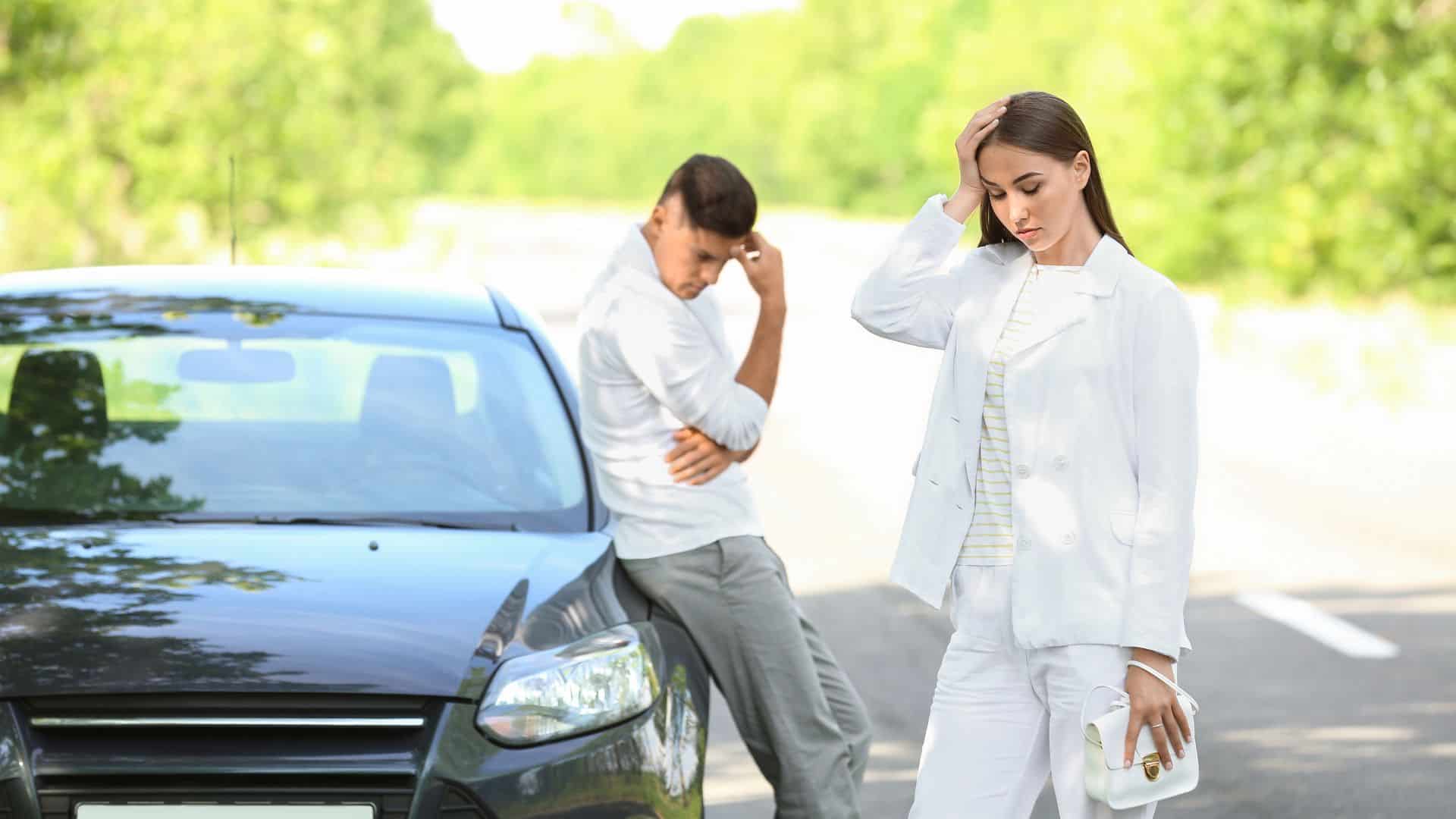
When an attempt to help traffic move ends in a fender-bender, the real collision turns out to be between two people with very different ideas about what just happened.
A post on r/AITA recently sparked a heated debate that a lot of men in relationships will find uncomfortably familiar. The original poster described a tense situation that started on the road and ended in a very public argument with his girlfriend standing right next to him.
The setup: he was stopped at a busy intersection when he noticed a young woman struggling to make a turn across traffic. Seeing a gap, he waved her through. She hesitated, crept forward slowly, and froze at the worst possible moment. He beeped his horn once to signal urgency. She went, but too slowly, and was struck by an oncoming car. Nobody was seriously injured, and the driver who caused the collision admitted fault on the scene.
He stayed to hand over dashcam footage to police, which is exactly what a responsible driver should do. Then things took a turn. His girlfriend announced loudly, in front of the other drivers and the arriving cops, that he had done it on purpose. He shushed her on the spot. Now she is furious, calling it disrespectful and controlling. He thinks her accusation was the far bigger problem. Reddit, as expected, had a lot to say.
Reddit wasn’t buying his version of events
The comments came in fast, and they landed heavily on one side. Almost without exception, Reddit users pointed the finger squarely at the original poster, and several of them made arguments that were hard to dismiss.
The most upvoted response cut straight to the pattern. “The fact that this has happened twice is the biggest red flag in this post. Most people go their entire lives without causing a secondary accident by waving someone through. You have done it twice in a few months. Your girlfriend isn’t silencing you, she is terrified that your helpful driving is going to get someone killed.” The twice part is what stung. Once is bad luck. Twice in a few months is a habit with consequences.
Another commenter took aim at the broader behavior of informal traffic directing altogether. “Seriously, I can’t stand when people ignore the rules of traffic flow to let me in, when there’s a whole second lane who will not be following suit. If you have right of way, just go and stop forcing people to go on ahead of me.” The point lands whether people want to hear it or not. Waving someone through feels polite, but it only accounts for one lane of a much bigger picture.
One user was blunter still. “Be predictable, not polite. Someone should take your licence from you until you can learn how to behave on the road.” Harsh, but the phrase predictable not polite is actually how most driving instructors frame it. Courtesy behind the wheel creates confusion. Rules create safety.
Perhaps the most cutting observation came from a commenter who reframed the horn entirely. “Her hesitation wasn’t a call for help. It was a decision to not go further. You honked at her. In car language it’s like you were yelling at her.” That reframe changes the whole story. What he read as urgency, she experienced as pressure from a stranger overriding her own judgment in a moment of uncertainty.
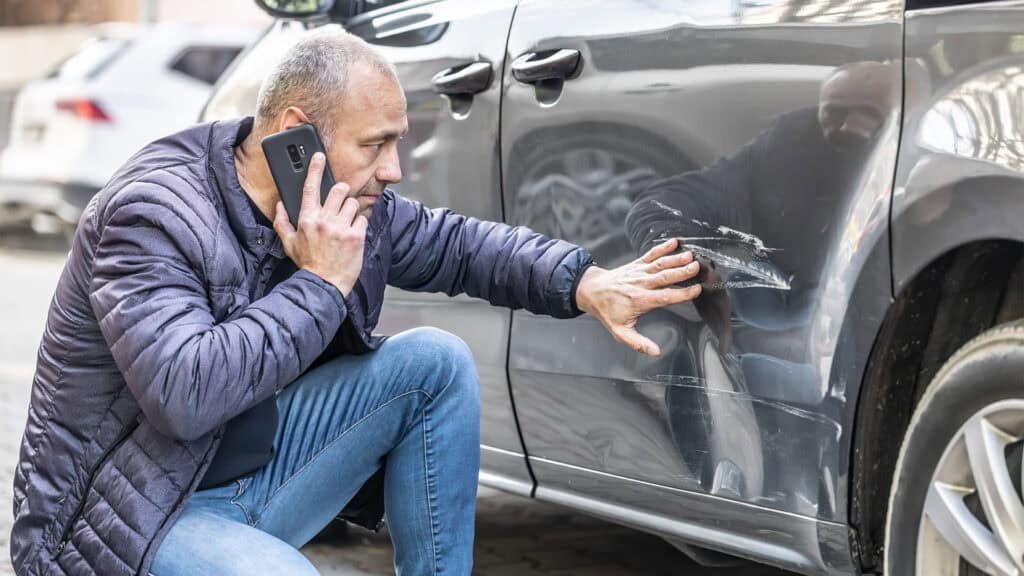
The road has rules for a reason and good intentions don’t override them
Most men think of themselves as considerate drivers. Letting someone merge, waving a hesitant driver through, giving a little beep to help someone along. It feels like the right thing to do. The problem is that the road operates on a system built around predictability rather than generosity. Every driver on the road is making split-second calculations based on what other drivers are expected to do. The moment someone steps outside that system, even with good intentions, those calculations break down.
Driving instructors have a phrase worth remembering: be predictable, not polite. Informal gestures like waving someone through only account for your lane and your line of sight. The driver you are waving at has no idea what is coming from the angle you cannot see, and neither do you. When she hesitated, she was not being timid. She was reading the full picture and deciding the gap was not safe. The horn changed that calculation for her, and not in a good way.
There is also a legal dimension most people overlook. In many states, the person who waves another driver into traffic can be held liable if an accident occurs. Good intentions offer no protection when someone ends up injured. The safest and most genuinely helpful thing any driver can do at a busy intersection is follow the rules, hold their position, and trust other drivers to make their own calls.