
A routine brake job uncovered an expensive problem with his car—here’s how to check yours in 2 minutes
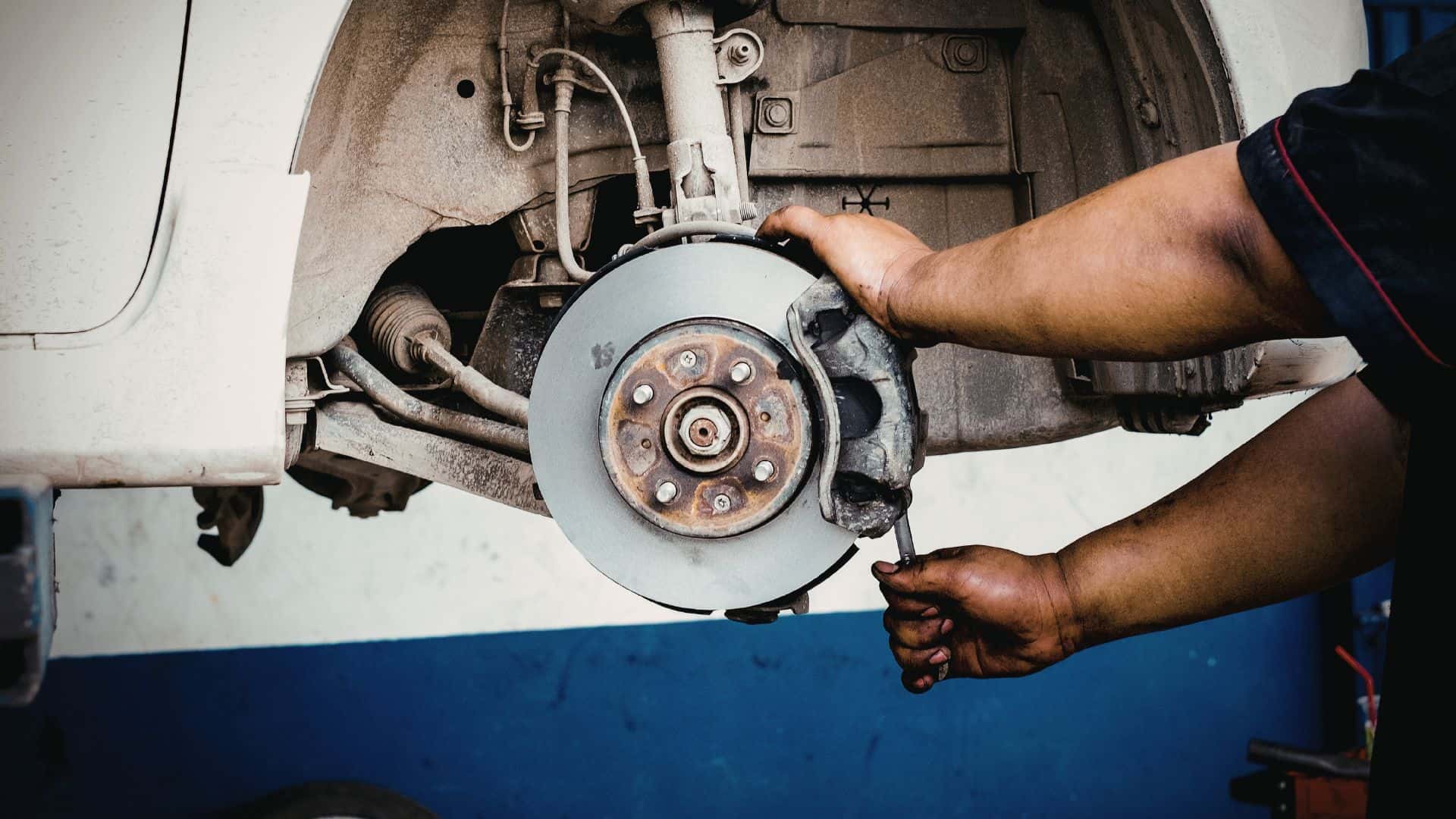
Photos shared on Reddit started a debate over the best way to fix a faulty CV joint.
This guy was servicing his car at home, just like many of us do, when he found an expensive issue staring back at him. He had no idea what he was looking at, so he took it to r/MechanicAdvice.
The owner was midway through a routine brake pad change on his 2011 Nissan Altima when he spotted heavy grease coating the inner CV joint, the drive belt, the pulleys, and several suspension parts. The photos he posted told the story clearly: the inner CV driveshaft boot had split open, and the grease normally sealed inside it had been flung all over the engine bay by the spinning axle. He posted to r/MechanicAdvice asking what caused it and what he needed to do about it.
The top comment identified the problem right away: the CV driveshaft boot had blown, the grease was gone, and the axle needed to be replaced. Might as well do both sides while he was in there.
From there, the thread split into two camps. The first pushed for replacing the full axle, with serious warnings about aftermarket parts. One user described going through three aftermarket axles in a row, none of them properly balanced, with one thumping at 40 mph until he switched to OEM. Another said that for anyone on a tight budget, a quality used OEM axle pulled from a low-mileage car beats a new cheap one every time: “Used 100k mile axles last longer than new chinesium ones.”
The second camp pushed back on replacing the axle at all. If the boot just split and there is no clicking or popping when turning, the joint itself is probably still good. A boot kit runs $15 to $30 and can preserve an otherwise healthy OEM axle. One user replaced just the boot in 2019 and is still driving on it. The counterargument was that pulling the axle to do the boot puts you most of the way toward a full swap, so the labor math often closes the gap.
How to spot CV joint problem
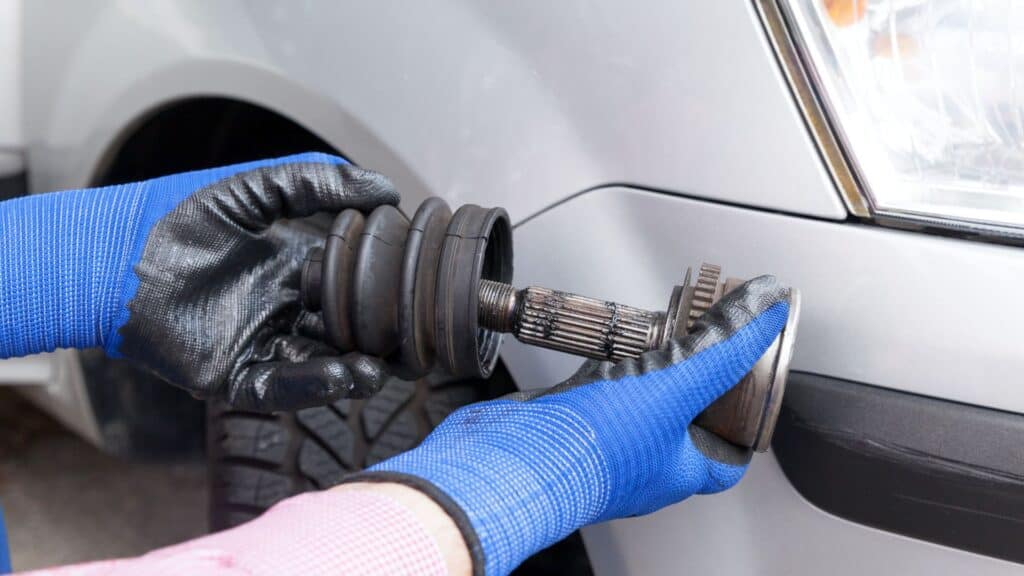
The photos in this post show a dramatic failure, but most CV problems start much smaller and easier to miss. The best way to check is to find an empty parking lot, turn the steering wheel all the way to one side until it locks, and drive slowly in tight circles. Then do the same in the other direction. A healthy CV joint stays silent. A worn or failing one will produce a distinct crackling or clicking sound under those conditions. That sound comes from the joint struggling to articulate at full lock with insufficient lubrication or worn internal components. Once you hear it, it is hard to mistake.
When a boot splits, the grease escapes, and water and dirt start working into the joint. That contamination accelerates wear from the inside, which is why catching a split boot early makes such a difference. If the boot just failed and the joint is still quiet under the lock-and-circle test, rebooting and repacking with fresh CV grease can extend the life of an axle that still has years left in it. If the clicking is already there, the joint has worn past the point where a boot swap fixes anything, and the full axle needs to come out.
The service itself starts with removing the wheel and disconnecting the axle from the hub and transmission. From there, you either remove the old boot, clean out all the contaminated grease, pack the joint with fresh CV grease, and clamp a new boot in place, or pull the whole axle and swap in a replacement. While everything is apart, it is a good time to check the wheel bearing and hub for play or roughness, since access is easy and those components take added stress when a CV joint starts to go. Any belt or pulley that picked up grease should be degreased and inspected for glazing before the car goes back together. A glazed belt slips under load and will need to be replaced if contamination has already set in.
This owner found his problem during a brake service, which was fortunate. Most people find out about a blown CV boot when the clicking starts, at which point the repair is more expensive and less optional. The check is simple: turn the wheel to full lock, drive slow circles, listen. No noise means the joint is likely still good, and a boot kit can save the axle. Noise indicates the joint is already worn, and the axle needs to be removed. Either way, grease-soaked belts do not get to stay.