
Most people only discover these car leasing mistakes when it’s too late

From hidden fees to mileage traps. Here’s what the fine print won’t warn you about until you’re handing back the keys.
Every week, someone signs a lease thinking they’ve found the smart move. Low payment, new car every few years, no depreciation headache. All of that is true. What’s also true is that deals can fall apart in many ways, and most people only find out when they return the car. Here’s what to know before you sign anything.
Mileage trap
Most leases give you 10,000 to 15,000 miles per year. Sounds like plenty until you factor in a long commute, a summer road trip, or just living your actual life. Overage fees range from $0.15 to $0.30 per mile, and they compound quickly. Five thousand miles over at $0.25 a mile is a $1,250 bill handed to you at turn-in, at the exact moment you have zero negotiating power.
The fix is simple, and almost nobody uses it. Negotiate a higher mileage allowance before you sign. Buying extra miles upfront typically costs around half the penalty rate, sometimes less. The conversation takes five minutes at the dealership and can save you four figures later. Before you agree to anything, be honest about how you actually drive. Long commute? Regular road trips? Build that into the number from day one.
Wear and tear is vaguer than you think

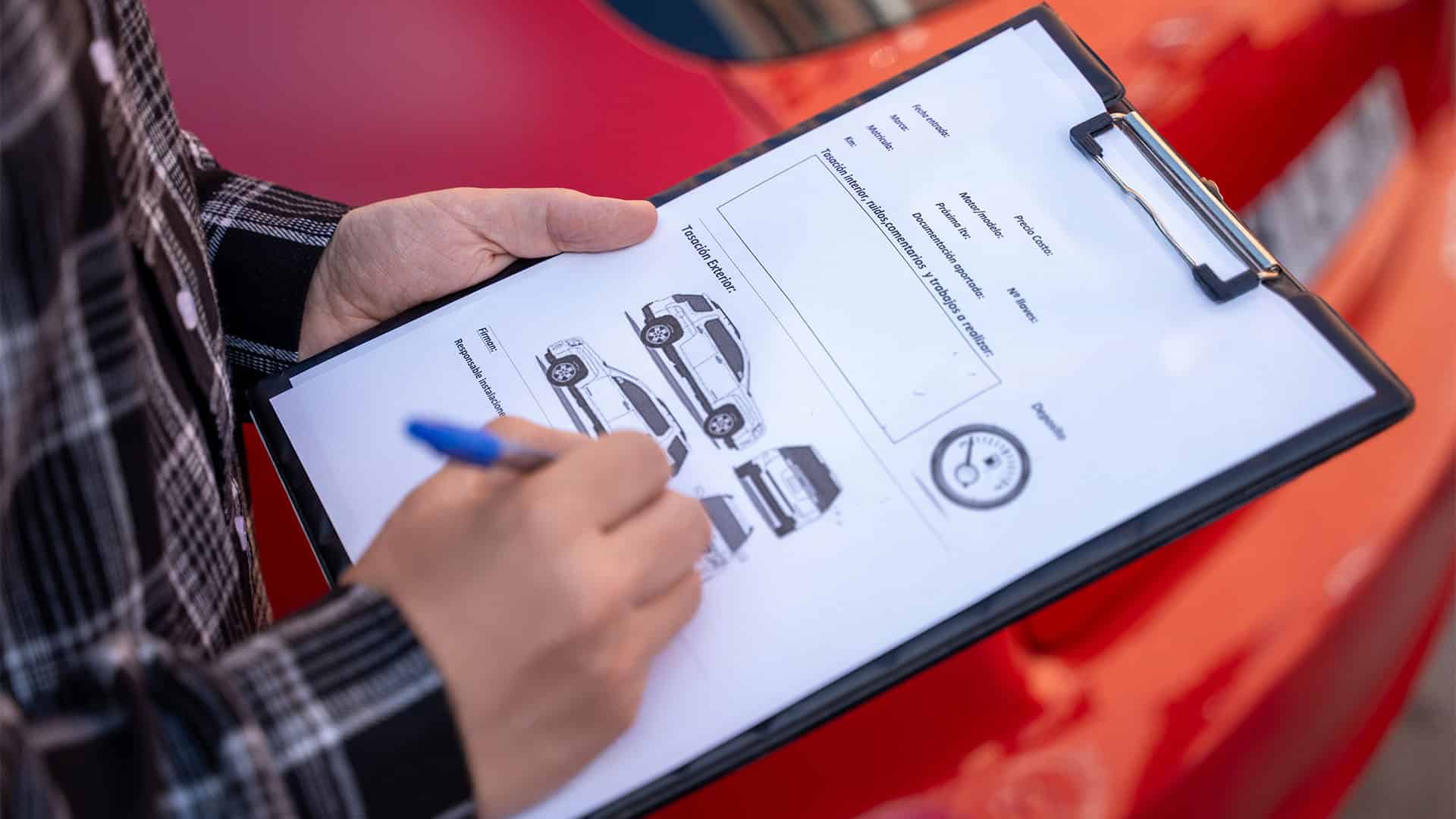
Your lease requires you to return the car in acceptable condition. What counts as acceptable? That’s where things get uncomfortable. Dents, scratches, tire wear below a certain tread depth, cracked windshields, and interior stains. All of it is potentially chargeable. Normal wear is technically exempt, but inspection companies have wide latitude in how they interpret that, and disputes rarely go the lessee’s way.
The move most people skip is scheduling a pre-return inspection one to two months before the lease ends. A third-party inspector will flag anything chargeable while you still have time to fix it yourself, which is almost always cheaper than what the dealer would charge at turn-in. Some manufacturers also offer a wear-and-tear protection add-on at the time of signing. It’s worth pricing out, especially if you have kids, a dog, or a habit of parking in tight spots.
Early exit will cost you more than you expect
Life changes. Job loss, relocating abroad, a growing family, a shift in finances. When that happens in a rental apartment, you pay a penalty and move on. When it happens in a leased car, you may owe every remaining monthly payment plus an early termination fee. There is very little legal protection available to you, and the manufacturer holds all the leverage.
What most people don’t know is that lease transfer services like Swapalease.com exist specifically for situations like this. You find someone to take over your contract, they pick up your payments, and you exit for a fraction of what it would cost to break the lease outright. It takes some time to find the right match, but it is a real option. Before you sign any lease, ask the dealer one direct question: What does it cost me to get out of this early? If they can’t answer clearly, that tells you something about the contract you’re about to sign.
GAP coverage and fees you never agreed to out loud
If your leased car is totaled or stolen, your insurer pays out the current market value. The problem is that the car may have depreciated faster than your payments have reduced the balance. The difference between what insurance pays and what you still owe is yours to cover unless you have GAP insurance. Many leases include it automatically. Many don’t. Check your agreement and your insurance policy before you drive off the lot, not after.
On fees, the ones that catch people off guard are the acquisition fee at signing, typically $600 to $1,000, and the disposition fee at turn-in, usually $300 to $500, charged simply for returning the car if you don’t lease again with the same brand. These are in addition to the monthly payment you negotiated. Ask for a full itemized breakdown of every fee at both moments. Every single line item should have a name and a clear explanation.
The money factor is a hidden interest rate
Leases don’t use APR. They use something called a money factor, quoted as a small decimal like 0.00125. Multiply that number by 2,400, and you get the equivalent annual interest rate, in this case 3%. Dealers are not required to present it that way, and most won’t unless you ask directly.
Before you sign, ask for the money factor and look up the current benchmark rate for that specific car on a site like Edmunds. If the dealer’s number is higher than the published rate, you have a legitimate negotiating point. If they won’t engage with it, you have a reason to walk. Most people never ask because they don’t know the question exists.
Leasing is a legitimate option and often the right one. But the monthly payment is not the deal. The deal is everything built around it. Negotiate mileage before you sign. Verify GAP coverage before you drive away. Ask about every fee by name. Know your money factor. And always find out what it costs to exit early. The payment gets the advertising. The traps get the fine print.