

What men often regret most by the time they reach their 60s
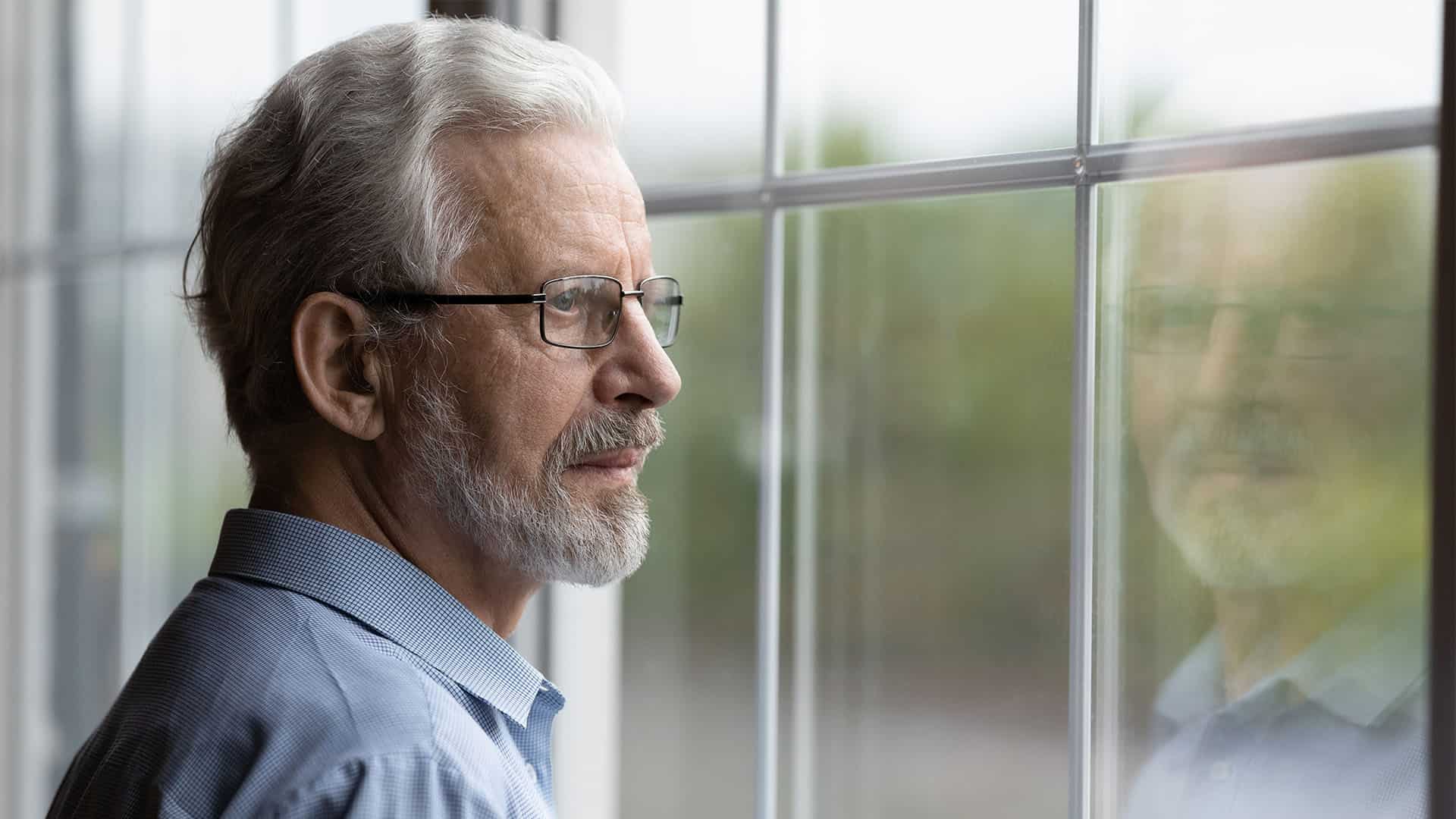
These are the patterns that emerge when men look back on their lives, and the decisions they wish they hadn’t put off.
By the time men reach their 60s, reflection tends to shift from achievement to evaluation of what worked, what didn’t, and what they let slip away. Certain regrets appear with consistency across individuals, regardless of background or success, with recurring patterns tied to relationships, personal choices, and long-term priorities.

1. Prioritizing work over relationships
One of the most consistently documented themes in life review studies is regret around a work/family imbalance, with many participants reflecting that they spent too much time focused on work at the expense of relationships and family life. Participants describe that career goals felt urgent in the moment, while family time was assumed to be something that could always be “made up for later,” a belief that later proved false.
2. Not expressing emotion
Not expressing emotion becomes a pattern that shapes relationships around you. In a BBC interview about men and communication, one man reflects, “men talking about their feelings” isn’t optional, but “absolutely crucial” if they want to avoid drifting apart from the people around them. Another man stresses the responsibility of older men to lead by example, saying they need to show younger men that it’s okay to simply tell someone how you’re feeling, without shame or hesitation. “You need to deal with these things,” he says, and points to the lack of communication and emotional expression resulting in male loneliness.
3. Letting fear control their decisions
Regret psychology consistently finds that inaction regrets outweigh action regrets in emotional persistence. People tend to forgive themselves for risks that failed, but not for opportunities never taken. Men in later life often point to fear of failure, judgment, or instability as a silent driver behind decisions they now wish they had made differently, particularly in careers, relationships, and personal ambitions.
4. Losing touch with good friends
Studies on aging and well-being show that true friends are good for your health, and they’re among the strongest predictors of health and life satisfaction in older age. Yet many men report that friendships gradually faded due to work demands, relocation, or simple neglect. In hindsight, not having those solid, life-long relationships stands out more than expected, especially after retirement reduces men’s daily social contact.
5. Not appreciating health while they had it
Preventive health behaviors are difficult to maintain in early adulthood. Many men only fully understand the value of health until they no longer have it, as one long-time hospice nurse shared. Regret here is tied to years of delayed habits, lack of exercise, poor sleep, or ignoring early warning signs until they couldn’t do basic things like stand and walk.
6. Living according to other people’s expectations
One of the most cited findings in reflection research is the regret of having lived a life shaped by others’ expectations rather than one’s own values. Men often describe choosing stable or socially approved paths while suppressing personal interests or alternative identities, and then living with the regret of never truly expressing who they were. If you always strive to meet someone else’s idea of who you are, you will never live a free life.
7. Overvaluing money and underestimating meaning

A 2025 survey of Gen X Americans found that financial regret is rarely about money itself, but about the life trade-offs made in pursuit of it. Many respondents reported wishing they had prioritized retirement planning earlier, and researchers noted that “early money choices echo for decades” and sometimes come at the expense of other priorities, such as time, relationships, family, and long-term well-being.
8. Not experiencing the world
Life review research frequently includes regret related to missed experiences, travel, exploration, or novelty. This is closely tied to the concept of “anticipated regret,” in which people later overestimate the permanence of constraints they once believed were temporary. Many men reflect on postponing traveling until “later” or saving exploration for “someday” that never comes.
9. Not having hobbies or interests outside work

Many men spend decades building careers at the expense of personal interests, only to realize in their 60s that they don’t have enough outside of work to fall back on for fulfillment once that chapter slows down. What stands out in hindsight is the absence of things that brought curiosity, creativity, or simple enjoyment. This can make retirement feel like a loss of structure and identity and not the relaxing era it’s supposed to be.
10. Not feeling happiness
A common reflection in later life is not that there were no good moments, but that happiness itself was not fully experienced or appreciated when it was available. Research shows that many older adults look back with mixed emotions, acknowledging that they were focused on responsibilities, goals, or stressors during their younger years rather than on their current well-being. Many respondents expressed regret for failing to pay attention to happiness while it was around them.