

Weird noise from your car? Don’t ignore what it might mean
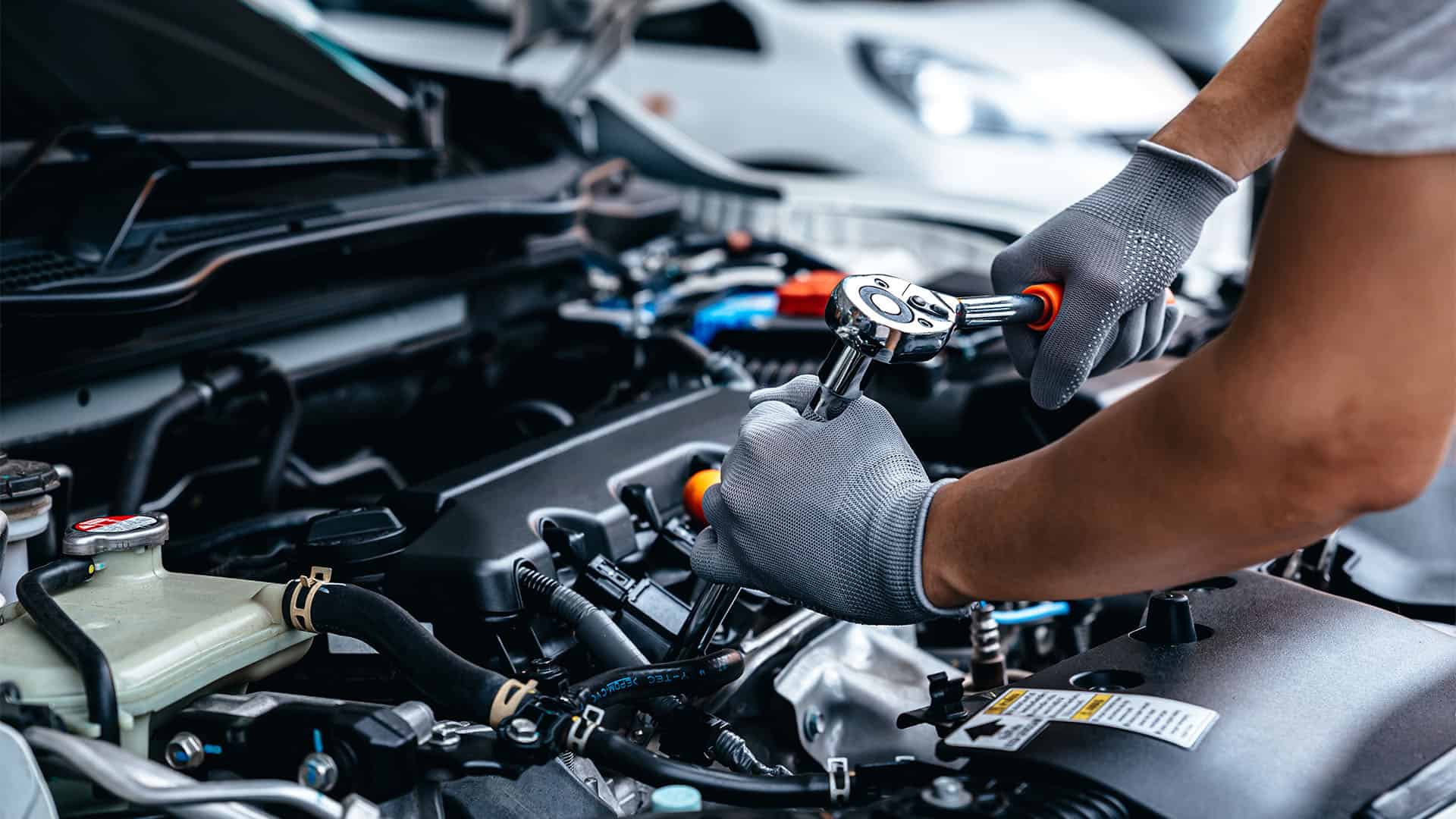
Not every noise means trouble, but some are early clues that drivers should learn to recognize.
Unusual sounds are often the first sign that something in a vehicle is not working as it should. While some noises are harmless, others can indicate wear, loose components, or developing mechanical problems that warrant attention. Many drivers ignore these early signals or assume they will disappear on their own, but identifying them early can help prevent more serious damage and costly repairs. Understanding what different sounds may indicate can help you recognize when a vehicle needs inspection or maintenance.
Squealing or screeching noise under the hood
This is often caused by a loose or worn drive belt. This is one of the most common noises drivers hear, especially during start-up or when turning on the AC. If the belt is cracked, glazed, or stretched, it can slip and make a loud, unpleasant noise. It could eventually snap, leaving you stranded with a dead alternator or power steering failure. To check, turn the vehicle off, remove the keys, and check the belts in the engine bay. Drive belts are usually visible, especially in older vehicles. If the belt is cracked or loose, it may indicate that you need a new one.
Clicking when turning the wheel
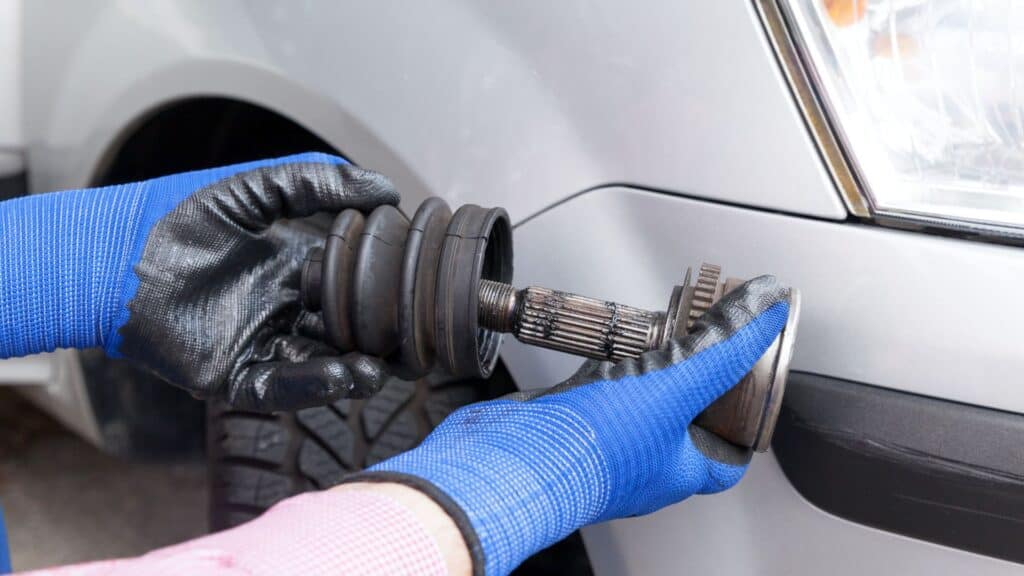
CV (constant velocity) joints are part of the axle that connects the transmission to the wheels and are primarily used in front-wheel-drive vehicles. To test, turn your steering wheel all the way in one direction and start driving slowly in a circle. If you hear a clicking or popping noise when you turn, it might be a worn CV joint. When the joint wears out or the boot tears, lubrication can be lost, ultimately leading to complete failure.
Hissing or sizzling from the engine bay
Hear a hissing sound after shutting off the engine? That could be a coolant or oil leak hitting a hot surface, or it could be a vacuum leak. Either way, it’s not something to ignore. A visual inspection under the hood might reveal fluid dripping or signs of steam. Check your fluid levels and inspect the vehicle’s underside. Any oily patch under the engine or the subframe can be a sign of an oil or fluid leak. Be cautious when opening the hood. Hot engine parts can burn you. You’ll want to have a mechanic diagnose it before it turns into something worse.
Grinding when braking
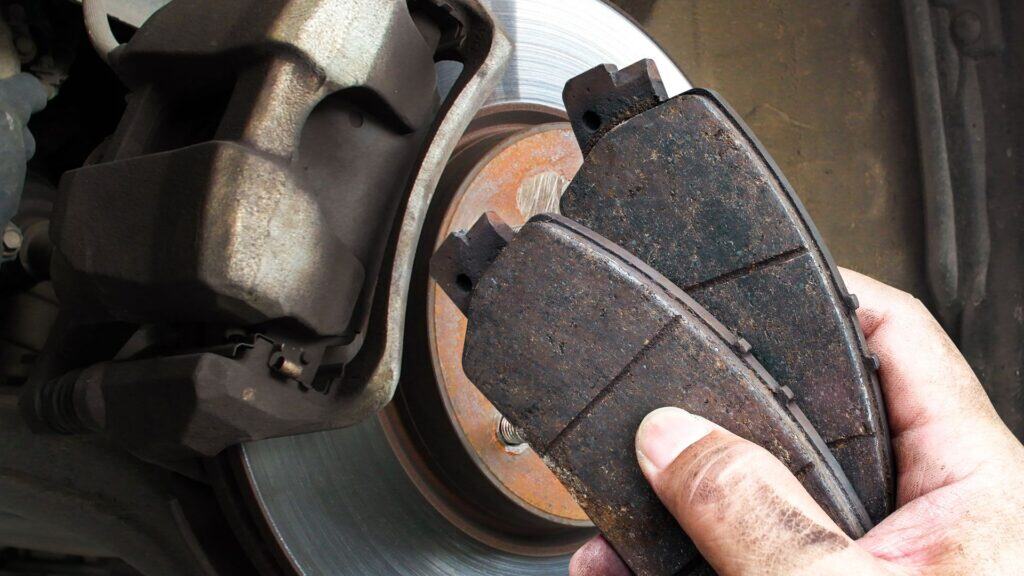
Brake issues are always critical, and this one should never be ignored, either. If you hear a grinding sound when you push the brakes, your brake pads might be worn down, and the metal base of the pad is now contacting the brake disc. That’s not just bad for your rotors. It is dangerous because you have no braking material left on the pads, and your brakes can’t generate enough friction to slow down the vehicle. If you have alloy wheels that you can see through, you can visually inspect the brake pads to check if any brake material remains or if they are completely worn out. If you end up in this situation, it is best to be checked immediately.
Whining that changes with speed
If you notice a whining or humming sound that gets louder the faster you go, it might be a sign of worn wheel bearings. It can be almost silent at a certain speed and super loud at higher or lower speeds. It all depends on the bearing. Noisy wheel bearings can be used for a while, but if they fail, the wheel could seize.
Best to check at home. Jack the car, tap the middle of the wheel, and if it’s extremely hot, you likely have a bearing issue. Alternatively, a whining sound during acceleration might be a transmission issue. If you have a manual car, put it into neutral or simply release the clutch, and if the noise disappears, it is likely that the issue originates from the transmission.
Flapping or slapping sounds
A flapping or slapping noise can be surprisingly distracting, and while it might sound dramatic, it’s often caused by something minor. One common culprit is loose weatherstripping or a piece of plastic trim that has come loose and is fluttering in the wind as you drive. These are usually harmless but can become annoying and may eventually detach completely.
However, if the sound is coming from under the hood, it could indicate a more serious issue. Another possibility is debris, such as leaves or twigs, caught in the blower motor or air vents, especially if the noise kicks in when you turn on the air conditioning or heat. While it may not prevent your car from running, it’s definitely worth checking out before a minor issue becomes a major problem.
Rattling from beneath the car
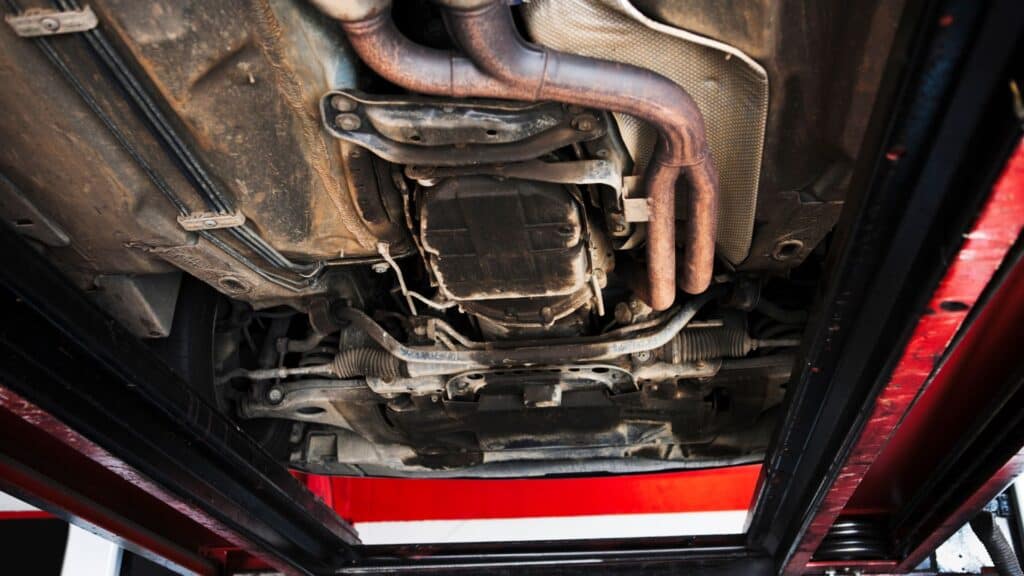
A metallic rattle coming from the underside of your car is usually related to the exhaust system. It could be a loose heat shield, a broken exhaust bracket, or a failing catalytic converter. Sometimes, it’s as simple as a piece of metal that’s come loose. Luckily, new vehicles have improved exhaust systems, and modern fuels tend to be less acidic, which helps extend the lifespan of the exhaust system. Either way, it needs attention.
What should you do?
Here’s the rule: if your car starts making a sound you’ve never heard before, don’t ignore it. Trust your instincts. Most of us are familiar with the normal sound of our cars. If something sounds off, it probably is.
Even if you’re not a mechanic, being able to describe the noise when it occurs, where it seems to originate, and what it sounds like can help your mechanic identify the issue more quickly. Consider creating a video or having someone else do it for you. This can help your local garage identify the issue.
And if you’re into DIY? Tools like mechanic’s stethoscopes and OBD2 scanners can help you narrow down the issue. Just be honest with yourself about what you’re comfortable fixing. Some jobs are better left to the pros, especially if your car is still under warranty.
Weird noises aren’t just an annoyance. They’re your car’s way of waving a little red flag. Learning to listen, identify, and react to those sounds can save you serious money and keep you from being stuck on the side of the road. Trust me, I’d much rather have dealt with a drive belt in my driveway than in the middle of a highway.