
This Jeep’s interior melted after one unexpected mistake
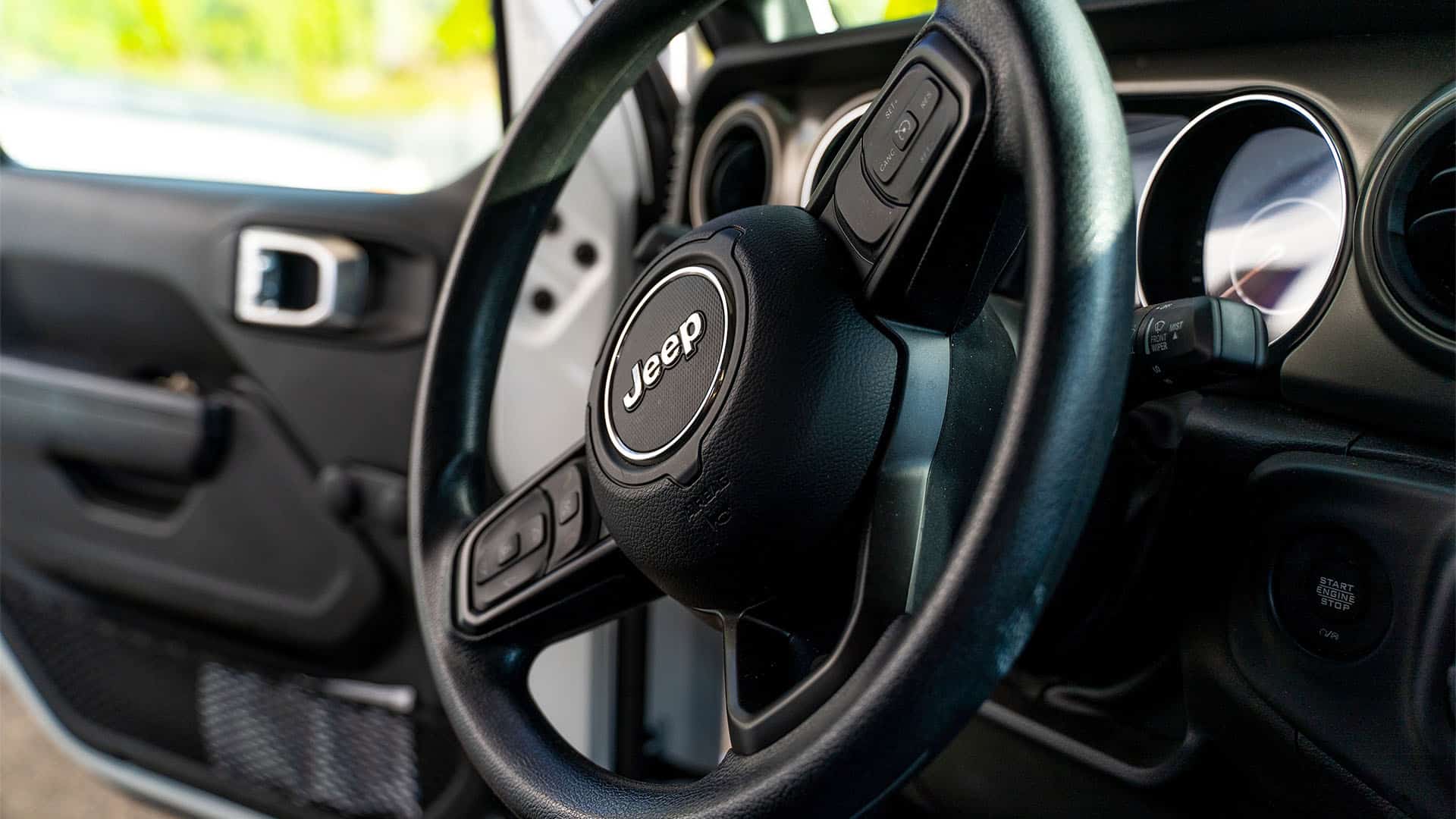
The pictures look like something from a movie, and the physics behind what happened are genuinely wild.
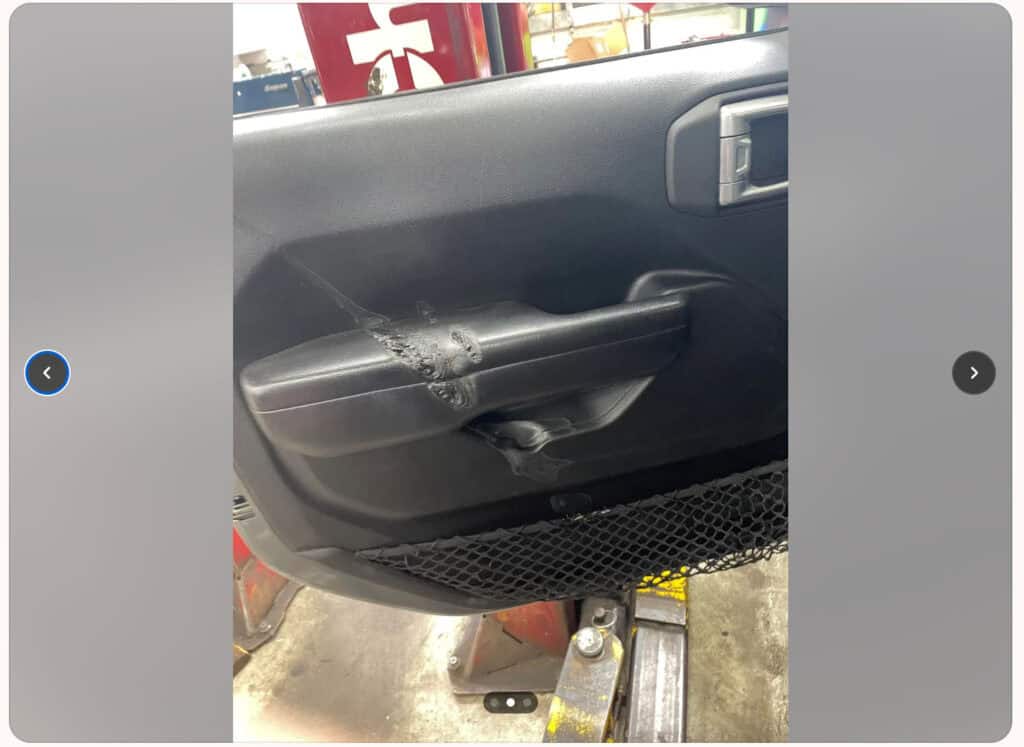
A car mechanic posted on Reddit recently about a repair job that turned into something none of them had ever seen. The photos he shared looked like a prop from a superhero film, with a clean, precise line of destruction cutting across the entire interior. The story of how it happened is one of those things that is completely obvious but we would never have expected this.
The Jeep came into the shop with a straightforward problem: the sunroof was stuck open. While the car sat waiting for repairs, the mechanics covered it with what they call crash wrap, a heavy-duty protective film similar to thick cling wrap, to keep rain and animals out of the open interior, which is a standard procedure in the industry.
Then it rained, and a significant amount of water pooled on top of the crash wrap, sitting in a low point across the roof. The next day was sunny, and the temperature hit 100°F. The pooled water, sitting atop the transparent wrap, acted like a magnifying glass over a piece of paper. At this point in the story, many of us might remember how we used to play with a magnifying glass, to burn paper, and this is exactly what happened here. The focused sunlight burned a precise, continuous line straight through the interior of the Jeep, melting seat covers, plastic door handles, and every piece of trim the beam passed through on its way from one door to the other.
The mechanic was clear in his post that none of them had ever encountered this specific situation before, despite years in the industry. The shop now has to replace the entire melted run of interior components, which will probably cost several thousand dollars.
How to avoid burning your car inside
The Jeep story is an extreme version of what happens to cars parked in the sun every summer day. Research found that on a day when temperatures range from 72 to 96 degrees Fahrenheit, the interior of a parked car can increase by an average of 40 degrees within 60 minutes. On a 95°F day, the dashboard can reach 157°F, while the steering wheel and the seats can reach above 120°F. That is hot enough to warp plastic, crack leather, fade upholstery, and degrade electronics, even without any water acting as a lens.
Most of that damage happens gradually enough that you think it is due to aging rather than heat. The cracked dashboard, the faded seats, the buttons that feel sticky and brittle: these are largely heat-related problems that compound every summer.
The most effective single step is also the simplest: park in the shade. A shaded spot can reduce interior temperatures by a significant margin, and even the shadow of a building or a line of trees makes a measurable difference during peak hours between 10 a.m. and 3 p.m.
A windshield sunshade is the next-best option if shade is unavailable. They meaningfully reduce dashboard and interior temperatures by blocking direct sunlight from entering through the glass, which is the largest heat entry point in most vehicles.
Cracking your windows an inch or two on days is another good option. It creates enough airflow to prevent the interior from reaching peak temperatures. Window tint is a long-term investment that can block up to 70 percent of incoming heat, providing real protection for the interior materials.
The magnifying glass principle from the Jeep story is worth keeping in mind for anyone who uses any kind of protective cover or wrap. Water pooling on a transparent or semi-transparent surface over a dark interior on a hot, sunny day creates the same conditions that the mechanic discovered the hard way. If you cover your car, make sure the covering is opaque, properly fitted, and does not allow water to collect in low spots directly above the interior.
The mechanic’s story is funny in the way that workplace disasters sometimes are, once the shock wears off. But the physics that melted that Jeep interior are the same ones working on every car sitting in a parking lot this summer, just at a slower pace.