

Getting car sick in an EV? You’re not alone—here’s why it happens

Electric cars behave differently, and some passengers feel it more than others.
If you’ve ever felt sick in an electric car, even though you’re usually fine in regular vehicles, you’re not alone. Many people report feeling nausea or dizziness during EV rides that feel smooth and quiet to others. Electric cars are known for their silence and quick acceleration, but these features can affect how the brain interprets motion, potentially leading to motion sickness. Let’s look at why this happens and what research says about it.
Electric cars are supposed to feel smooth and effortless. But for some, they can be a recipe for motion sickness. Sadhbh O’sullivan, a consumer health writer, has firsthand experience of how a simple ride home in an electric taxi turned into a disorienting ordeal. “45 minutes later, I collapsed onto my bed, feeling shaken, nauseous, and genuinely confused about what just happened,” she recalls as she describes the intense queasiness that followed what should have been a normal ride.
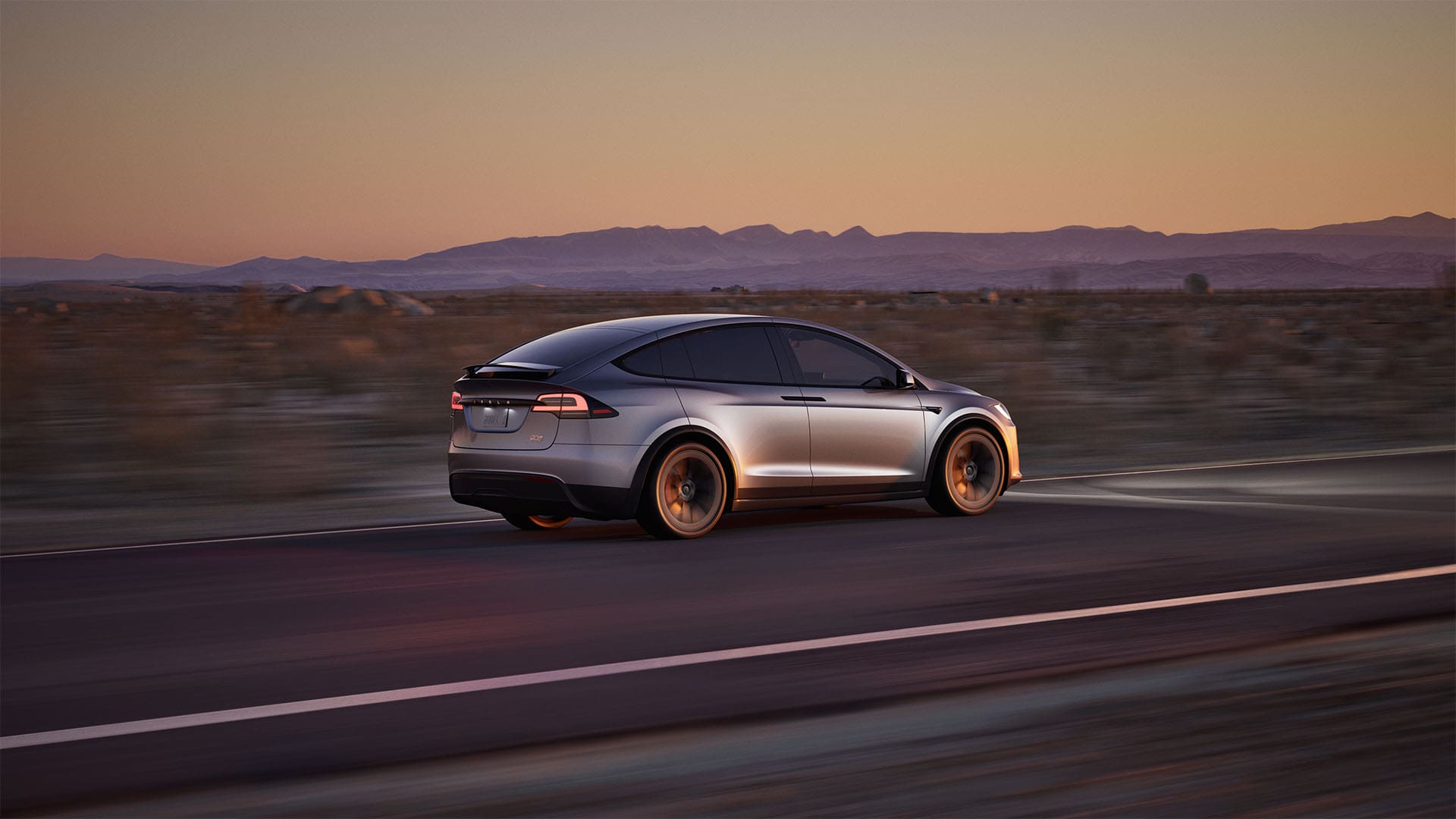
She quickly realized she wasn’t alone. Talking with friends, she heard similar stories from retching on the side of the road to glamorous TikTok users trying to hold back vomiting in the back of a Tesla. Her takeaway? The combination of smooth, instant torque, regenerative braking, and the quiet, vibration-free nature of EVs can create a sensory mismatch that confuses the brain and makes you feel queasy.
People were quick to thank her for sharing this information. One user wrote, “Thank you!! I feel SO nauseous in EVs that I decided not to get one for myself. Glad to hear I’m not the only one experiencing this!” Many people feel frustrated by this weird “side effect,” and it can definitely affect consumer decisions about whether to buy one.
Another user added, “This is definitely a thing I’ve noticed more and more lately. Teslas are definitely the worst for this. The constant braking makes you feel nauseous,” tying her experience to the mechanics of EV operation, especially regenerative braking.
Someone also pointed out a common behavioral factor. “Being a passenger in any car while staring at your phone will make you feel nauseous. It’s nothing to do with the car,” implying that maybe it’s just typical passenger habits, like screen use, that can amplify the effects. Clearly, EV motion sickness isn’t a rare quirk; it’s a real phenomenon affecting a range of people.
How does science explain it?
When the brain doesn’t have reliable sensory input, it struggles to align what the inner ear feels with what the eyes see, and that “neural mismatch” triggers nausea or dizziness, the classic signs of motion sickness. Researchers have begun to quantify what many riders have reported only anecdotally. A study from the University of Wisconsin showed that passengers exposed to noise and vibration cues experienced significantly less motion sickness than those in quieter conditions.
Higher levels of regenerative braking also correlated with an intense onset of nausea. It creates a smooth, drawn‑out deceleration rather than the quick, predictable slowdown we’re used to in gas cars. That prolonged deceleration can feel unfamiliar and unsettling, especially if you’re not driving and can’t see what’s coming. More common in passengers, it confuses the brain.
Lastly, instant torque, a hallmark of electric motors, means acceleration often comes with little warning or buildup. Rapid, silent changes in speed without the audio‑visual cues we’ve learned to rely on can intensify that nauseous feeling.
Research on EV sickness
Automakers are aware of the problem and are actively working to make the ride more comfortable for everyone. A good example is Honda, which is actively addressing motion sickness in EVs with technology that smooths acceleration and makes vehicle motion more predictable. By monitoring pedal angle, pedal speed, acceleration rate, and vehicle speed, the system adjusts torque delivery to reduce sudden jolts that can trigger sensory mismatch.

They’re smoothing acceleration and throttle control to make EVs feel less abrupt without affecting performance. Honda technical consultant Kotaro Yamamoto acknowledges that motion sickness can occur in EVs because the car moves in a way your brain isn’t expecting. Their approach focuses on linear acceleration and refined throttle modulation to reduce motion without compromising performance.
Takeaway
If electric vehicles make you feel sick, it’s not imagined, and it’s not a personal weakness. EVs move in ways our brains haven’t fully adapted to yet, especially when acceleration and slowing happen quietly and without familiar cues. For people who aren’t driving and can’t anticipate those changes, that difference alone can be enough to trigger discomfort. As electric cars become more common, experiences like this are pushing a broader conversation about passenger comfort, not just performance. How a car feels matters just as much as how efficient.