
Michael B. Jordan’s viral red carpet hand pose highlights a mistake most men make
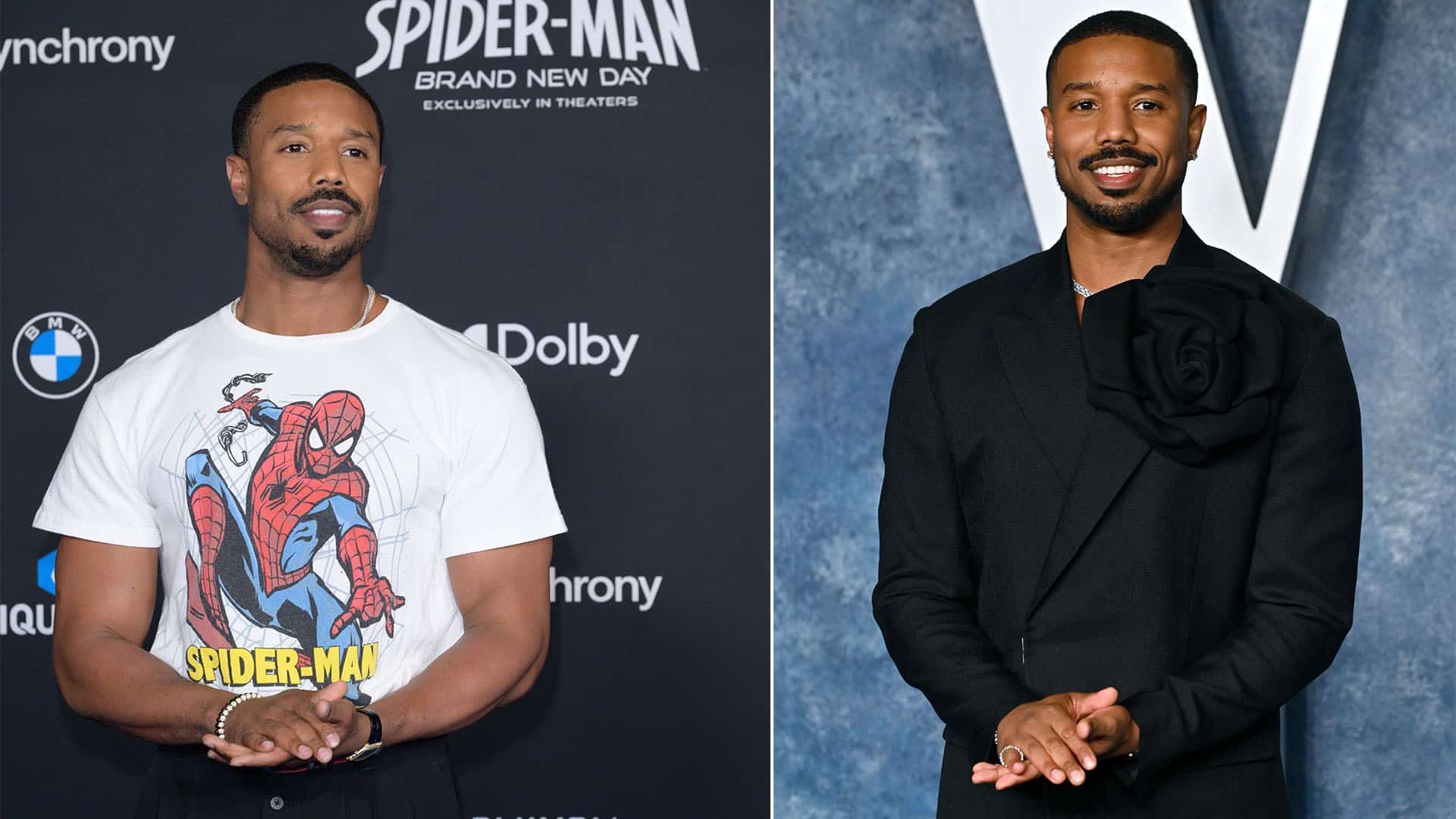
His red-carpet habit went viral for all the wrong reasons, and the body-language advice that fixes it applies to every man who has ever stood on a stage or stepped in front of a camera.
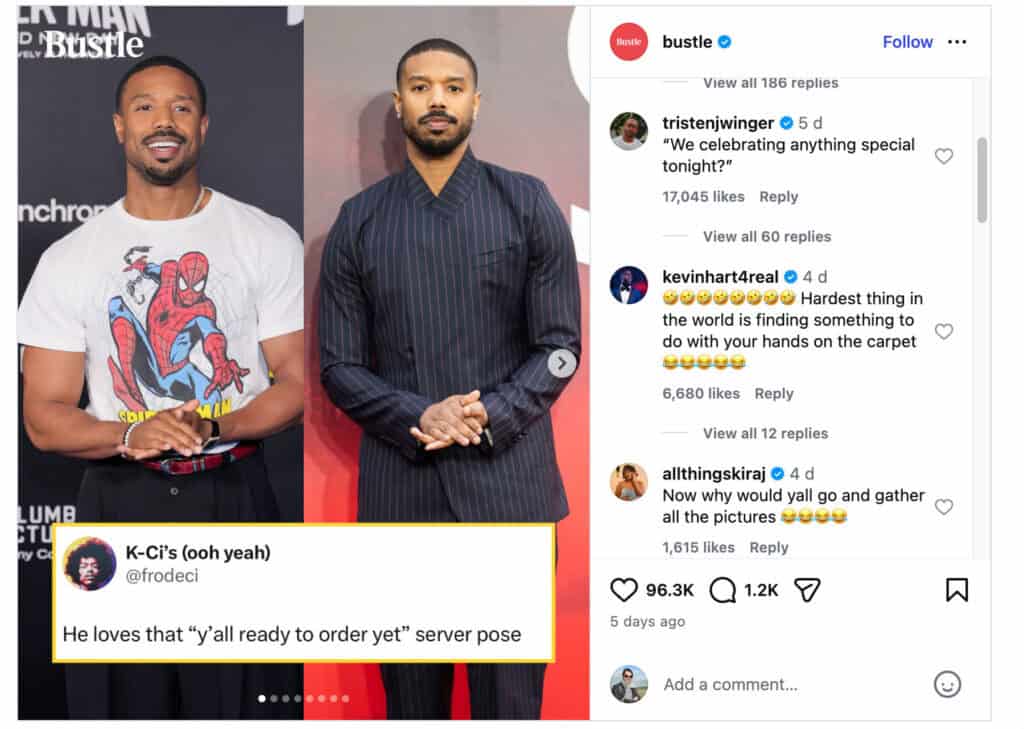
A viral compilation of Michael B. Jordan’s red carpet appearances recently made the rounds on social media. The 39-year-old actor, one of Hollywood’s most photographed men, has a consistent go-to pose: both hands clasped in front of his waist. The internet had a field day with it, with one widely shared comment summing up the reaction by saying he looked like “a waiter waiting to take your order.” Jordan responded with a facepalm emoji and a laughing face, which is about the most dignified response available in that situation.
But the story did not stop here. The biggest impact was not Jordan’s response to the post but Kevin Hart’s. Hart jumped into the comments with a line that resonated far beyond the joke: “🤣🤣🤣🤣🤣🤣🤣🤣 Hardest thing in the world is finding something to do with your hands on the carpet 😂😂😂😂😂”.
It landed because it is true, and not just on red carpets. If you have ever stood in front of a camera, at a wedding, or a work presentation, you know this situation. When standing on a stage, all of a sudden, your arms act like foreign objects, and most of the time, you don’t know what to do with them while you nervously try to stick to the script in your head. The hands go somewhere, somehow, and the result is usually awkward, and of course, someone is going to take a picture of it.
Jordan is one of the most physically confident men on the planet. If he has a go-to pose that the internet finds easy to mock, the rest of us have very little hope of accidentally solving this on our own.
What to do with your hands when on stage
The clasped-hands-at-the-waist position that got Jordan into trouble is sometimes called the fig leaf pose in body language. The hands are covering the body’s center, which communicates guardedness to anyone watching, even when the person doing it has no idea that is the message they are sending.
The alternative that looks most natural in photos and on stage is simpler than most people expect: let your arms hang at your sides with a slight bend at the elbow. It feels strange in the moment because you are used to doing something with your hands, but it photographs as relaxed and confident. For a photo specifically, dropping one hand into a jacket pocket or hooking a thumb into a belt loop while leaving the other arm relaxed at your side works well and reads as effortless.
On stage or in a presentation, the advice from Toastmasters and communication coaches is consistent: use your hands deliberately when you make a point, and let them rest naturally when you don’t. Gestures that happen inside what coaches call the gesture box, roughly the space between your shoulders and your waist, read as natural and engaged. Gestures above shoulder height add energy and work well on a large stage. Gestures below the waist, including the clasped-hands position, are read as closed off.
Open palm gestures are worth paying specific attention to. When you face your palms toward the audience while making a point, the effect is one of openness and confidence, and it is a small adjustment that changes how the same words land. Gripping the podium, wrapping your hands around each other, or holding your notes in a way that creates a barrier between you and the room all have the opposite effect, signaling tension even when your words are calm.
One of the most common mistakes in presentations is letting the hands drift into unconscious movement: wringing, washing-machine rotations, or fidgeting that draws the eye away from what is being said. The fix is the same as the fix for photos: when you are not gesturing with intention, bring your hands to a neutral position at your sides and leave them there. It takes a few practice runs to feel normal, but it reads as authoritative to everyone watching.
The broader point Kevin Hart was making, without saying it directly, is that this stuff does not come naturally to most people, including those who look like it does. Jordan has spent two decades on red carpets and still defaults to a pose that reads as uncertain. Presence and ease in high-visibility moments are skills you build through repetition, and the starting point is recognizing the default bad habits so you can catch yourself before the camera does.